The National Institute of Design in Ahmedabad Open-Air Campus
A Little History
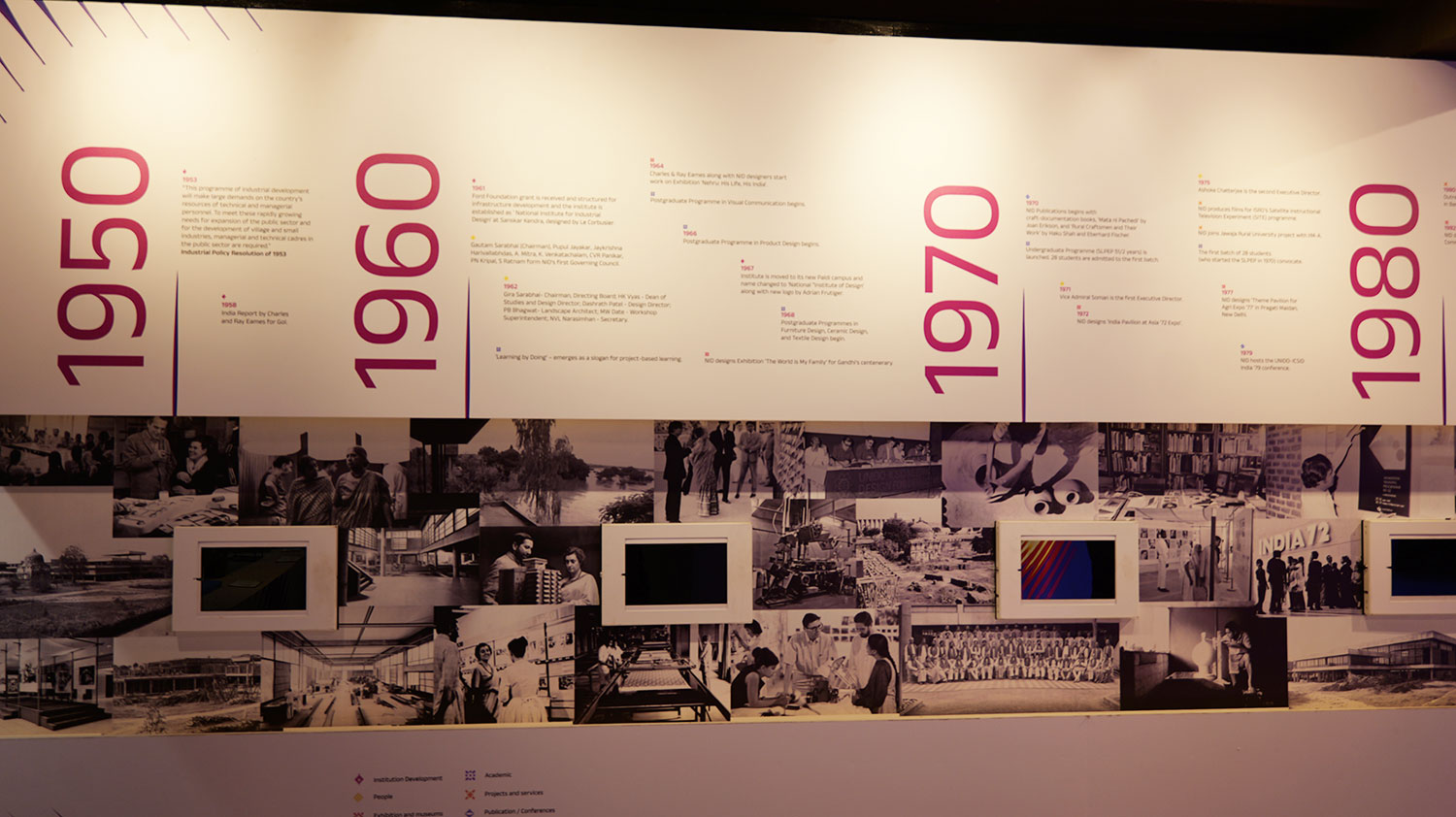
After India separated from British rule and became an independent country, the first prime minister, Jawaharlal Nehru set in motion various actions to make India a modern and global country. As a part of those actions, he wanted to work on the urban centers, architecture and overall aesthetic of the country and brought in various architects and designers from other parts of the world, including Le Corbusier, a Swiss-French architect, to work on some of the main governmental cities of the country. So, today, you’ll find his industrial and clean aesthetic in buildings and urban design in cities like Chandigarh and Ahmedabad. Nehru also wanted to educate designers in the country to continue working on the various cities and countrysides of India to improve conditions and continue with that modern aesthetic. A connection was made with Ray and Charles Eames, who were invited by the Indian Government and supported by the Ford Foundation and the Sarabhai family, to come and study India’s design, crafts, cities and local villages and come up with a plan for a school of design.
The Eames spent some months off and on traveling around India and from their study came the India Report. The report laid out their findings which, in a nut shell, urged the school to maintain and support the strong craft traditions of the country while using the model of teaching from the Bauhaus. The three main ideas behind how the school should approach the education was to start with Research having the students understanding more than just how to solve a problem but all the surrounding influences of it. Second, the education would include the Training that would not only include the hows of making but from the hands-on and crafts perspective. And, finally, the students should be taught the Service component, to use there skills to improve the state of India. The Eames felt that the students should be at a high level when they come in with an understanding of history and culture and that the faculty should be trained in many different disciplines and teach with methods that were aimed at long-term benefits of the community, not having it be about their chance to be creative.
From my own reading and my first-hand look at the NID in Ahmedabad, the school still runs in the way laid out by the Eames. In fact one of the people I interviewed, I believe it was Samir More, the Senior Administrative Officer, who said the Eames Report was basically the bible for NID.
The Schools Philosophy and Overall Program
From my reading of the Mandate, the Mission, the Values Statement and the Director’s Statement, NID continues to strongly believe that design is not at first about the beautiful aesthetic but is about “raising the quality of life…[and] helping to meet India’s diverse design needs.” That includes looking at “everyday use, indigenous design solutions…[and] making design affordable for the masses…”basically thinking globally and acting locally. I also found it interesting that the director, Dr. Ashok Modal brought spirituality into his message saying that “…design needs to be re-envisioned for a society that has always had deep-rooted values at its core…[and that]…the ancient spiritual philosophies of India puts humans as an integral part of the outer and inner cosmic existence.” These ideas along with what I have wrote already about the history of NID has supported what ideas were already forming in my head about the design of India being rooted in traditional crafts and much of it having a spiritual bent.
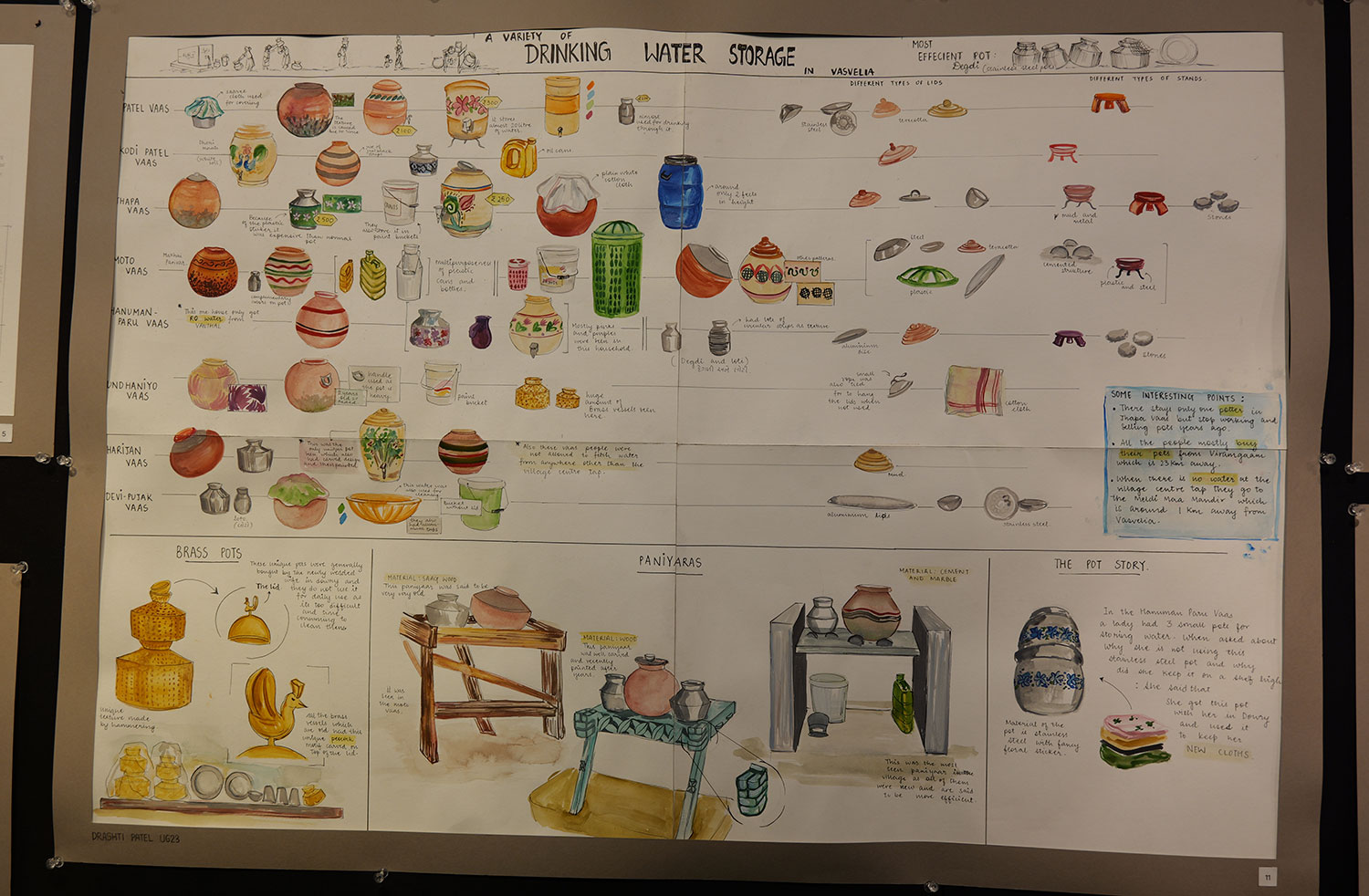
As per the Eames thoughts on a high-level student, about 4000 people apply to the NID programs each year and only about 15 get into the programs. The students take both written and skills exams to get into the school. Once into the programs, every student starts with a foundations year and at this point have not chosen their path of design (the program includes graphic, interior, industrial, filmmaking and animation…). I find that interesting as they can learn the basics of many different skills and find their strength. The other part I found interesting was how the students are assigned one course that is a few weeks long where they go to a small village to study the environment, the ways of living and the traditional crafts in the area. They go with a group of students and spend the time documenting what they see. Upon their return to the school they write a report about their findings and maybe even recommend ideas that would improve the ways of living. According to the instructors I spoke to this experience stuck with the students and many of them ended up wanting to do service work for their last years immersive project.
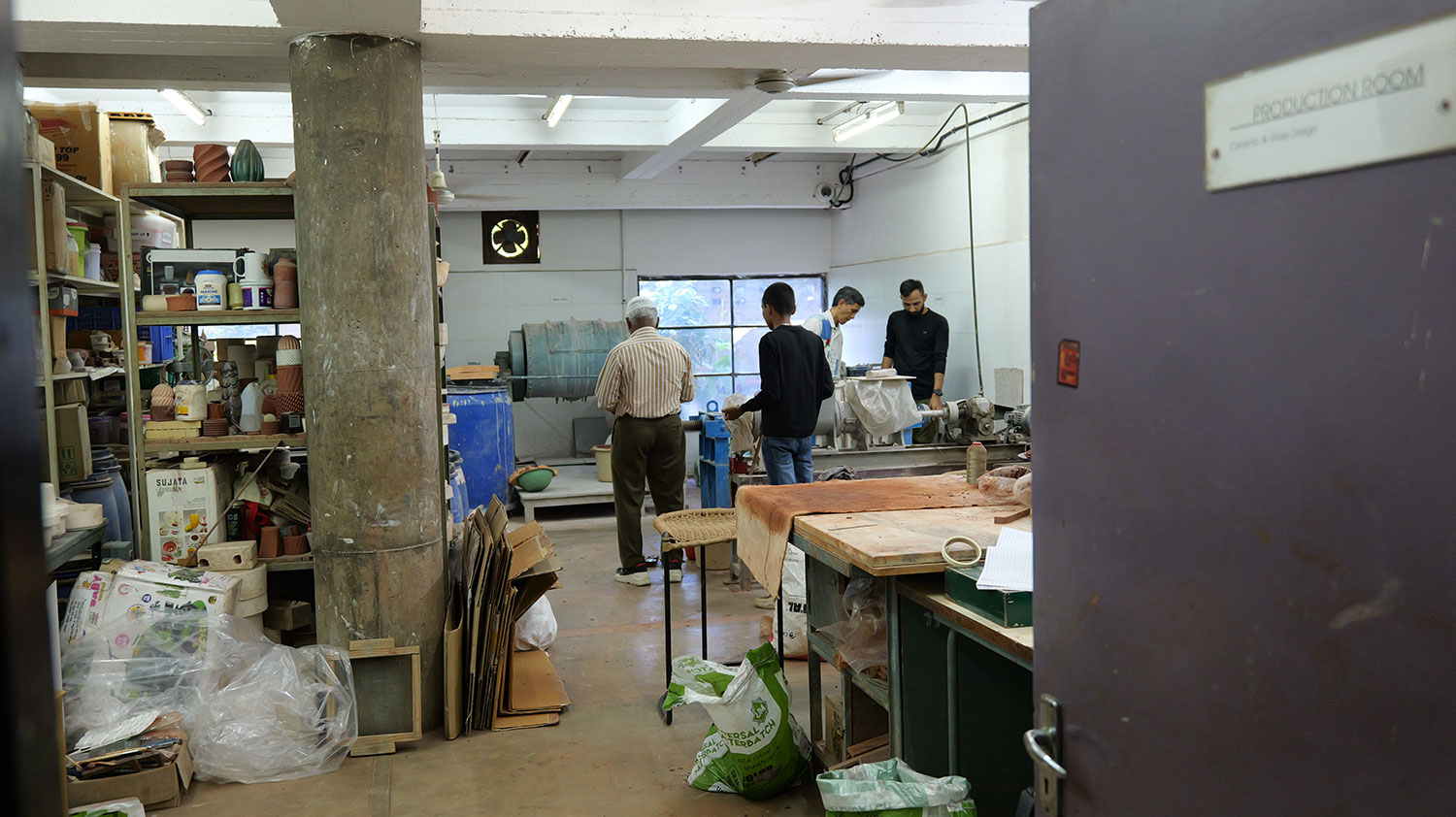
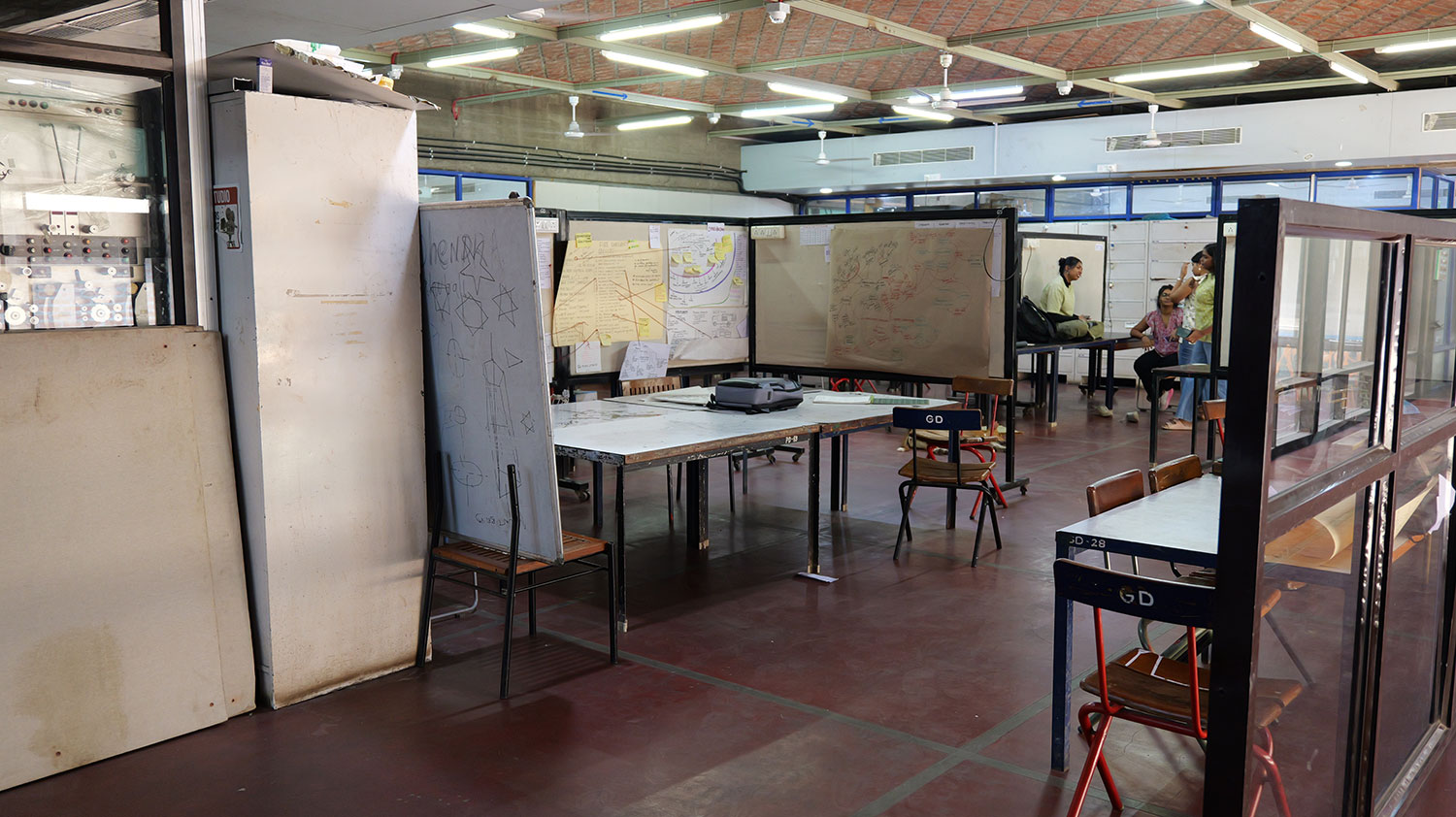
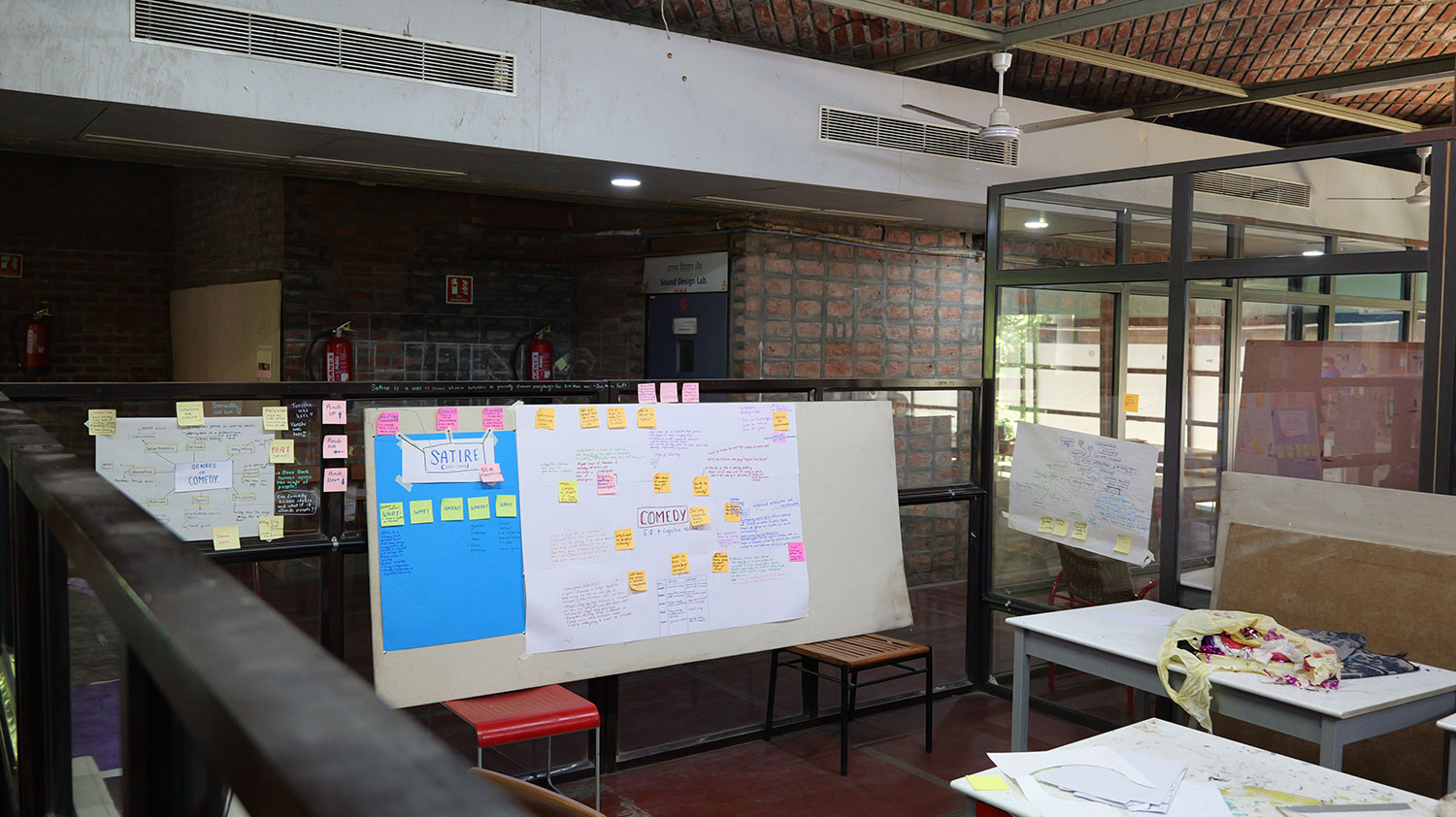
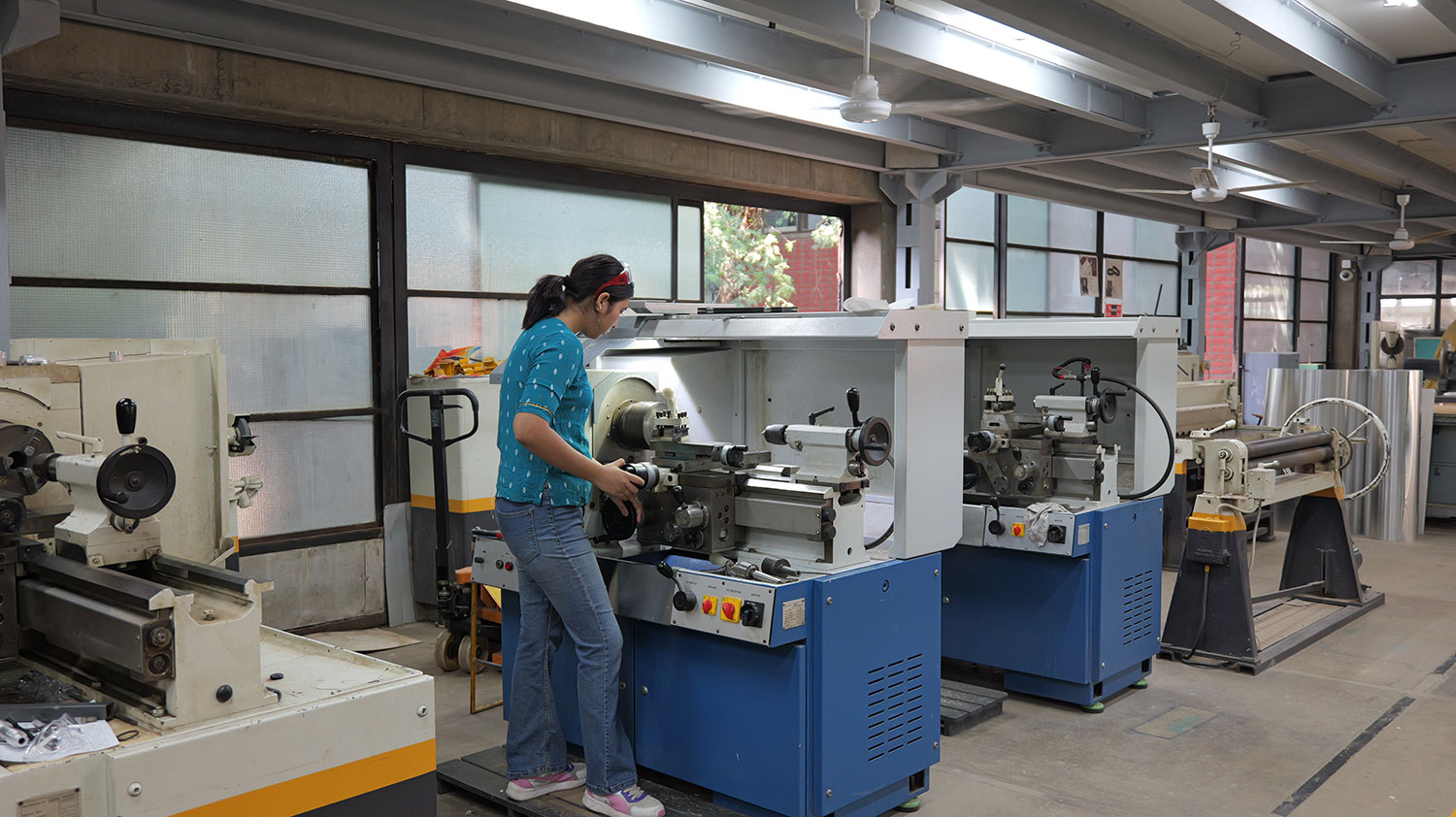
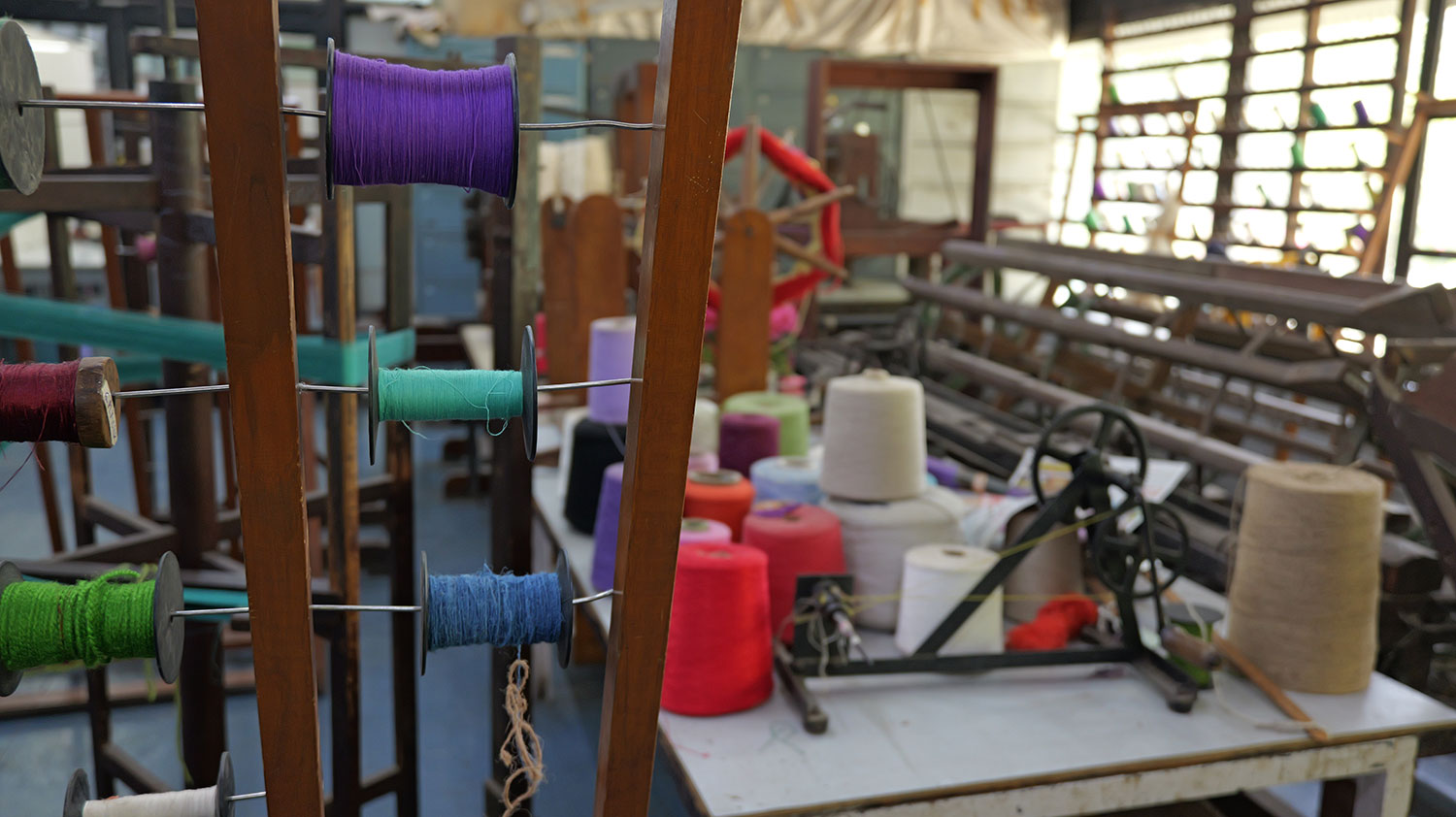
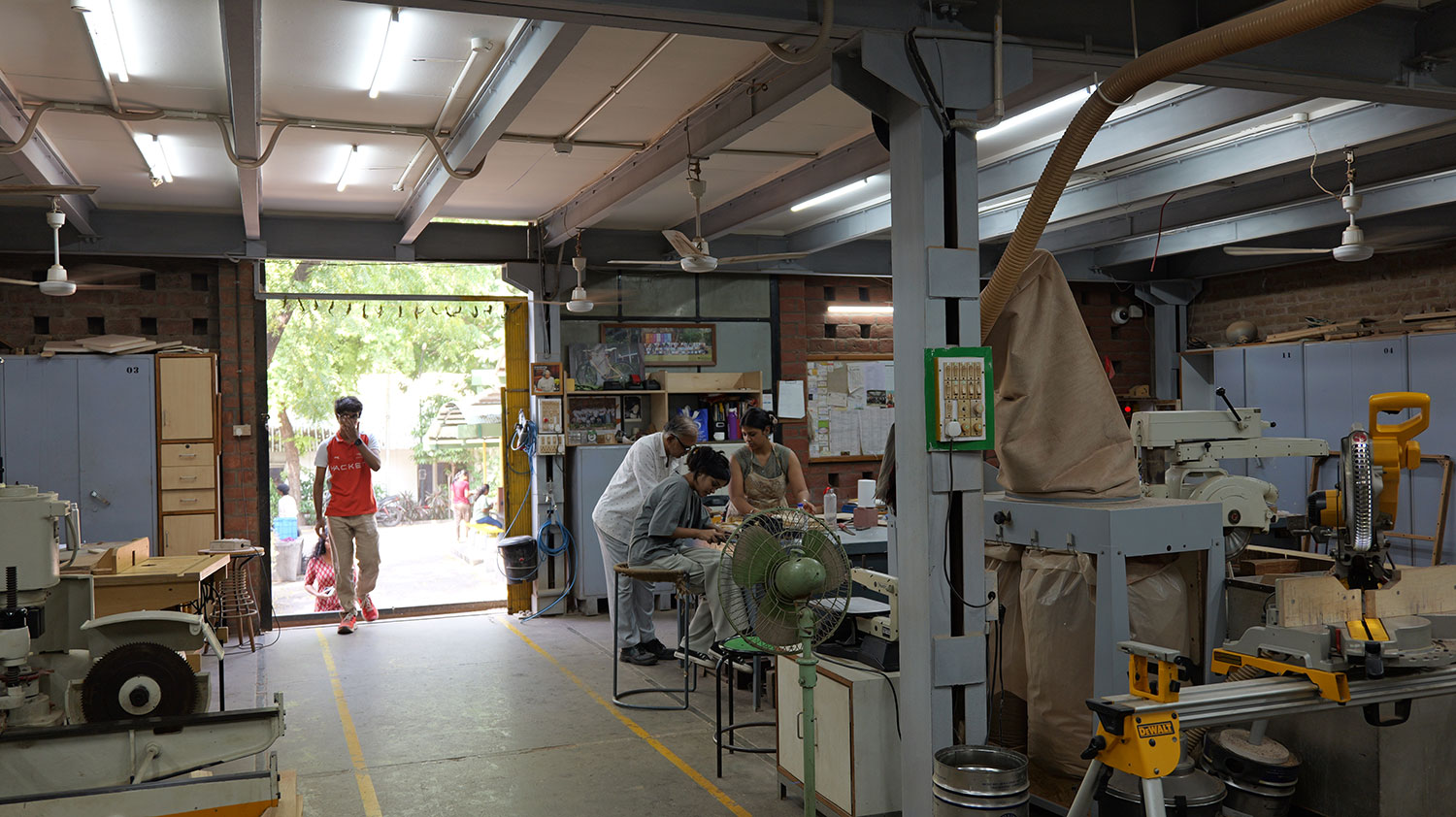
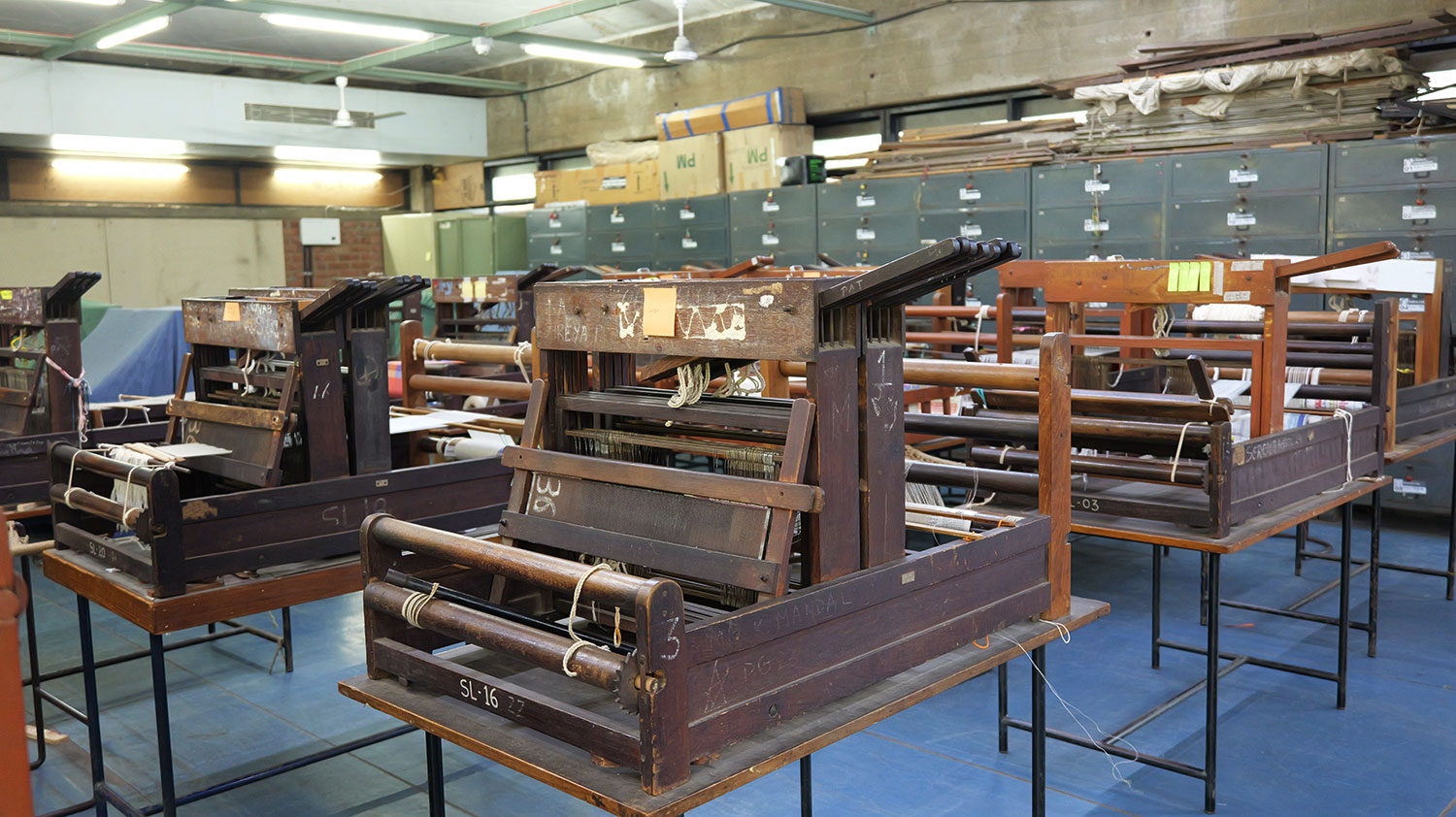
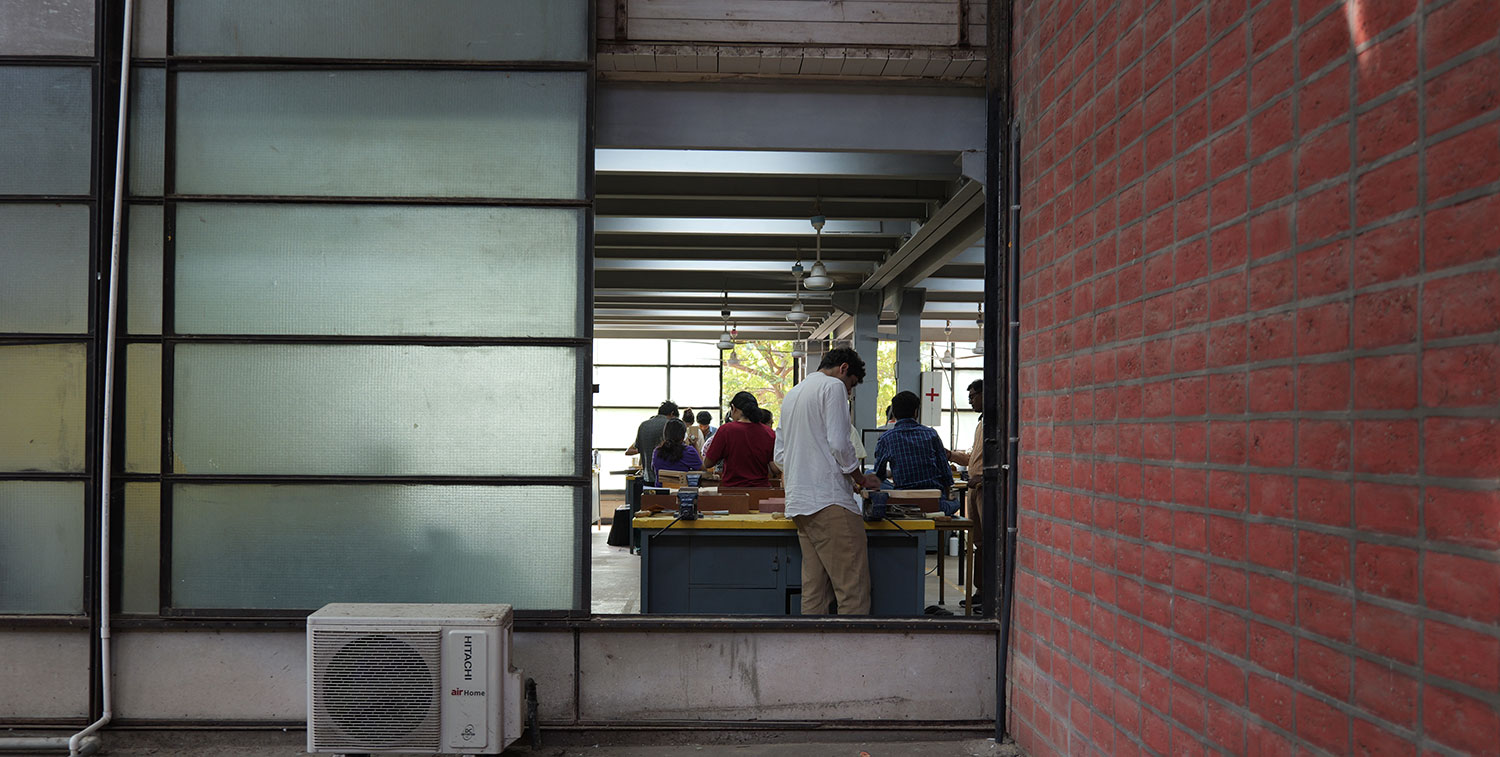
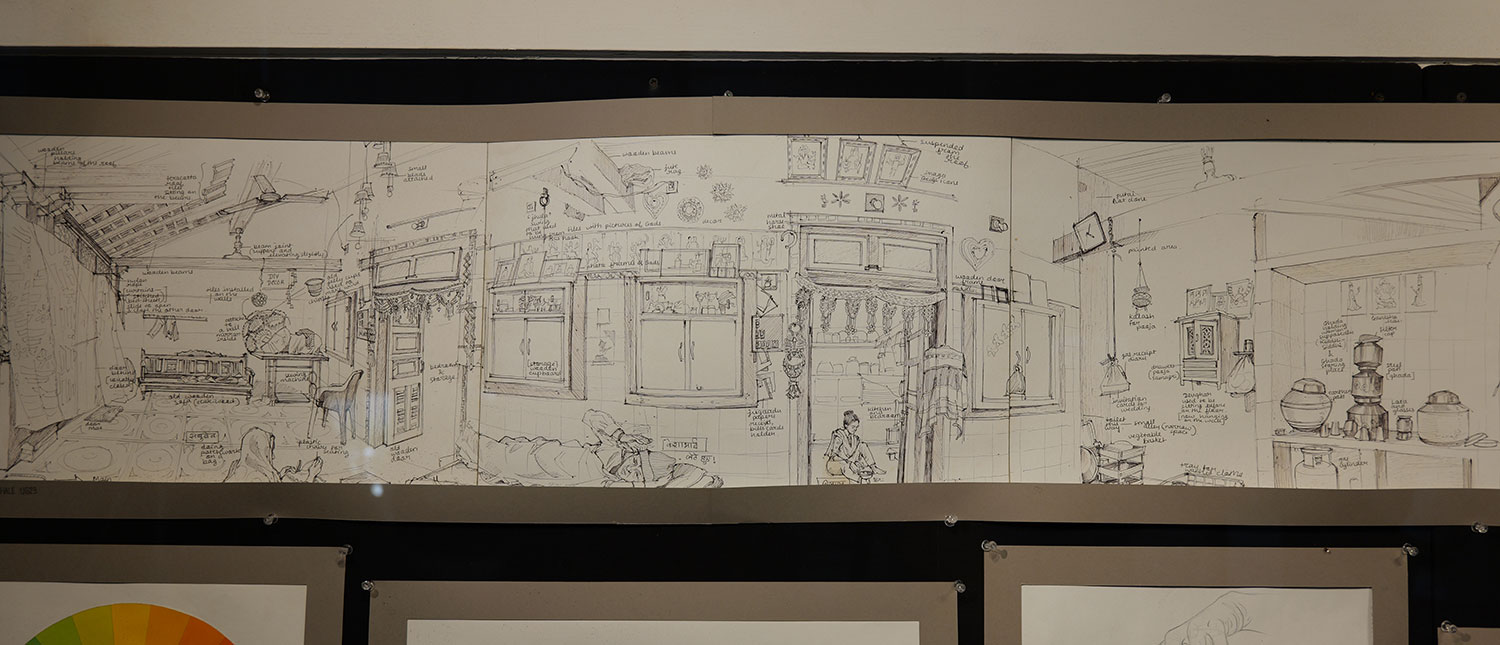
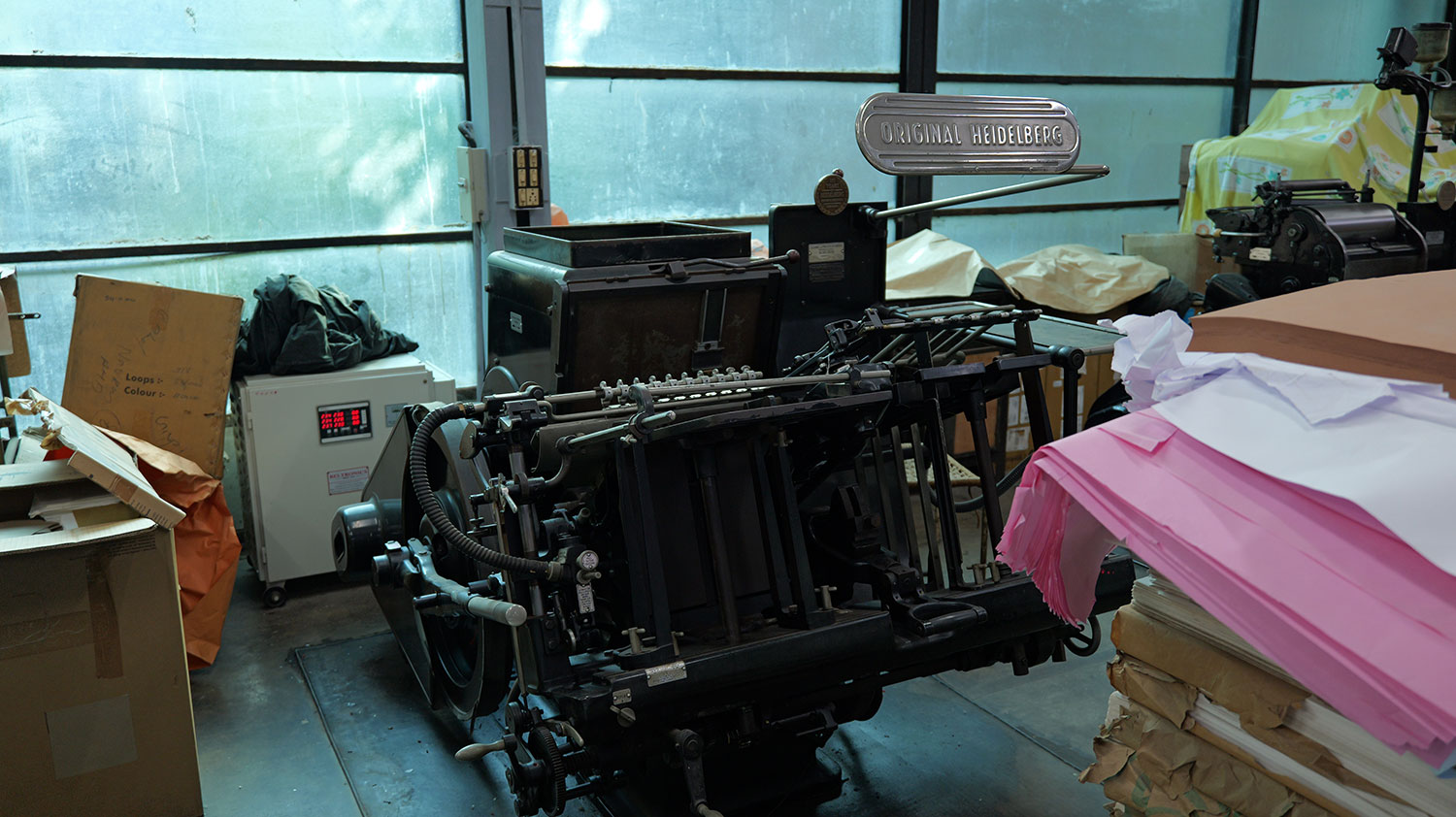
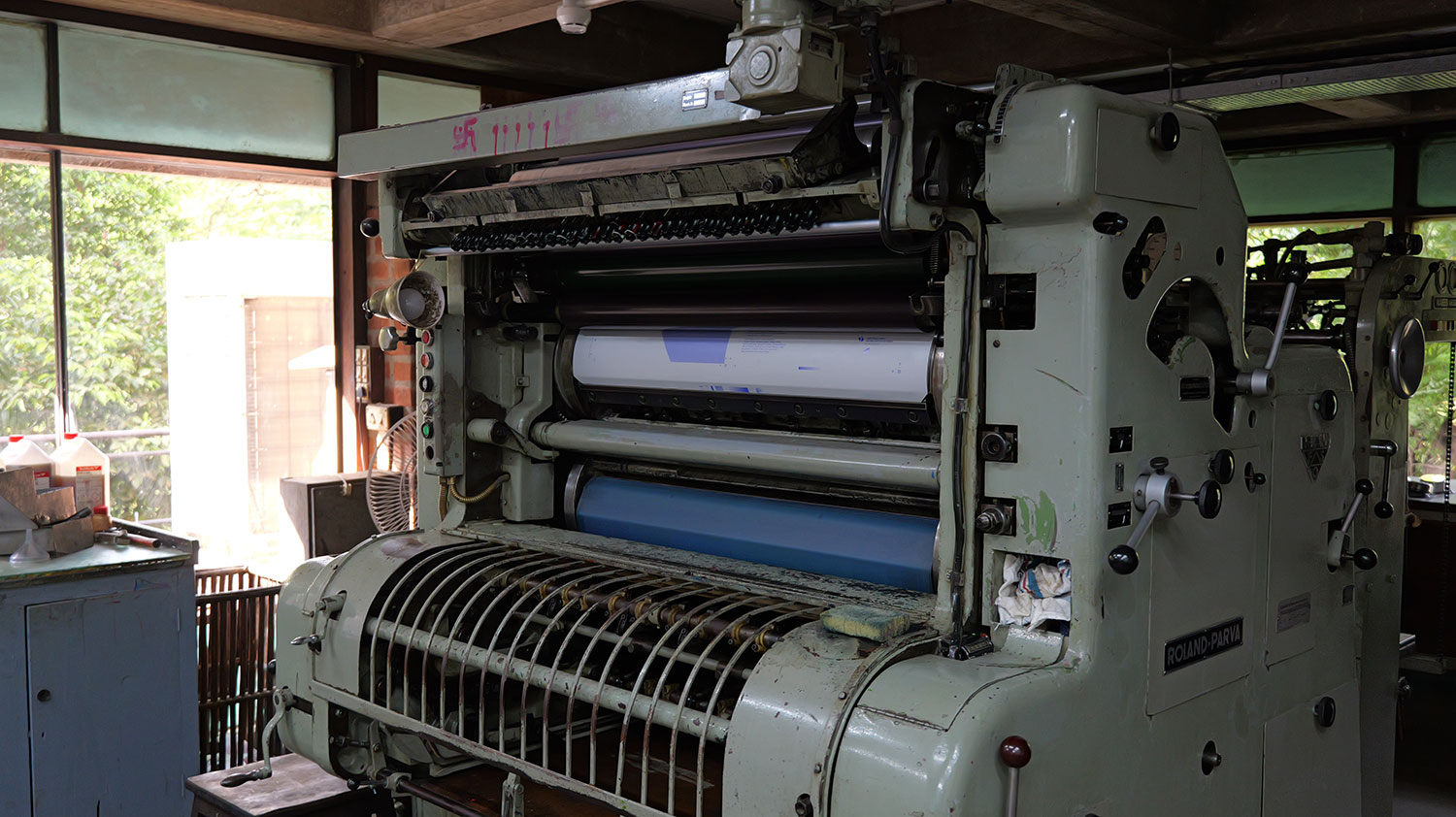
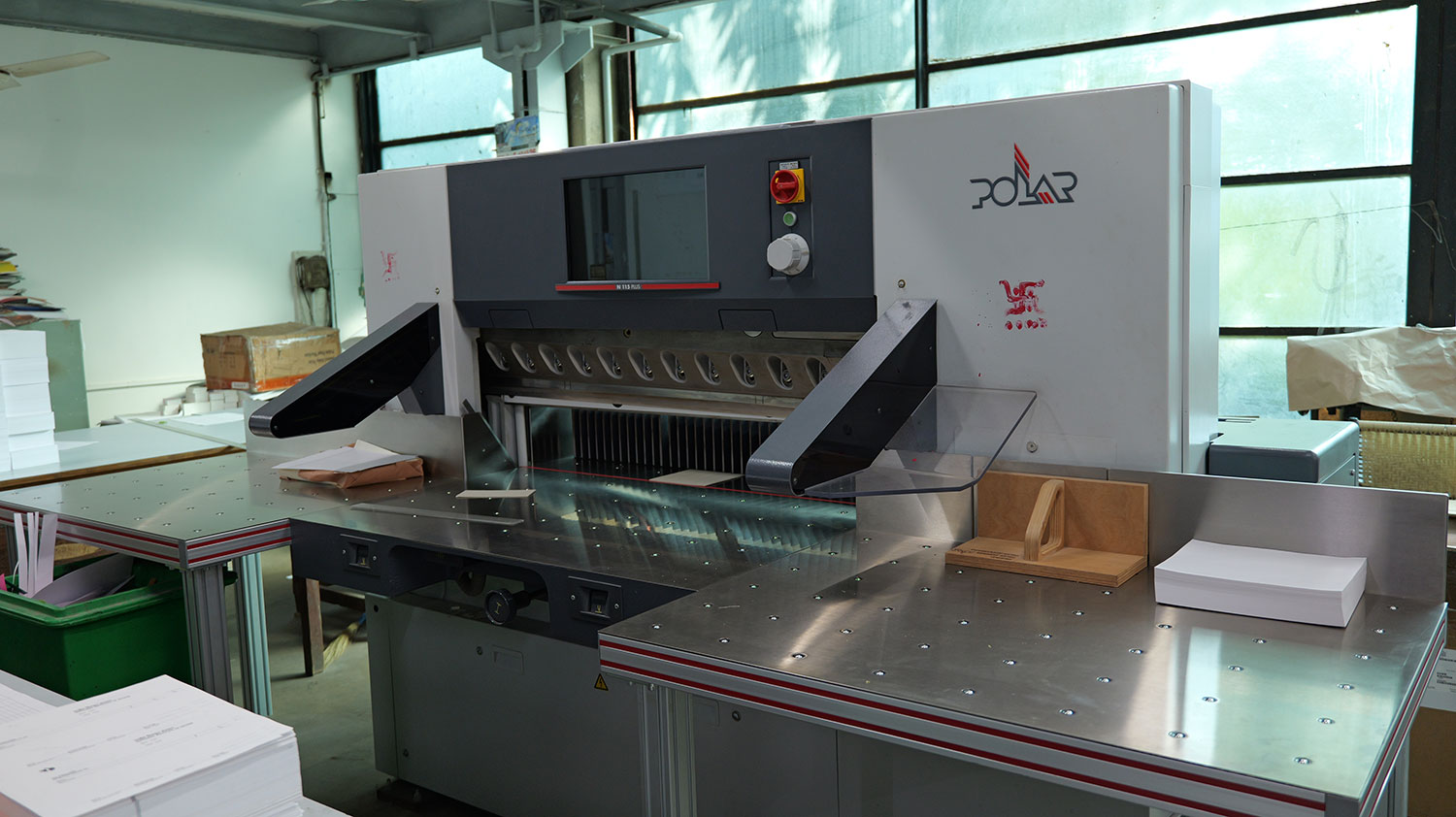
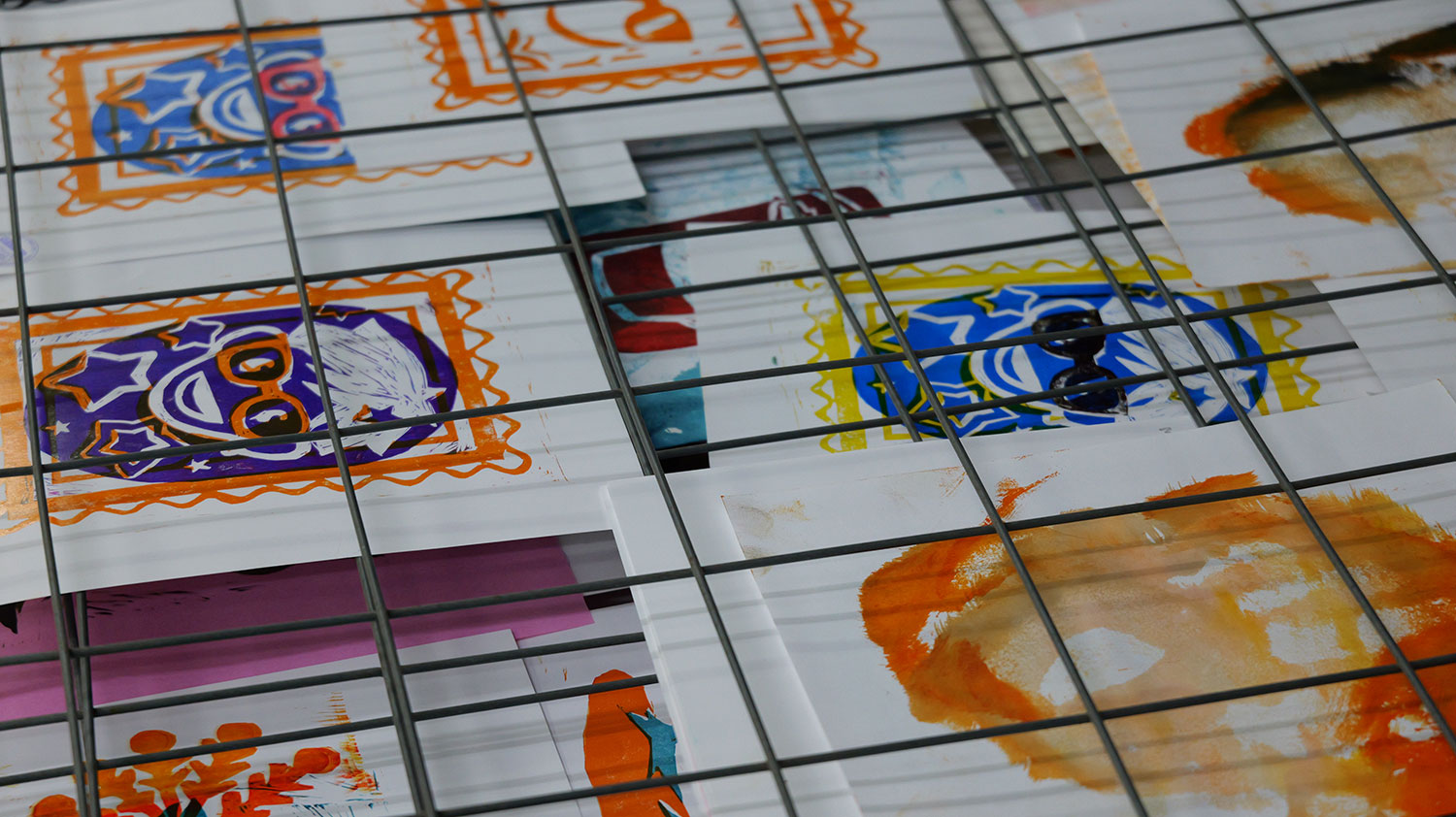
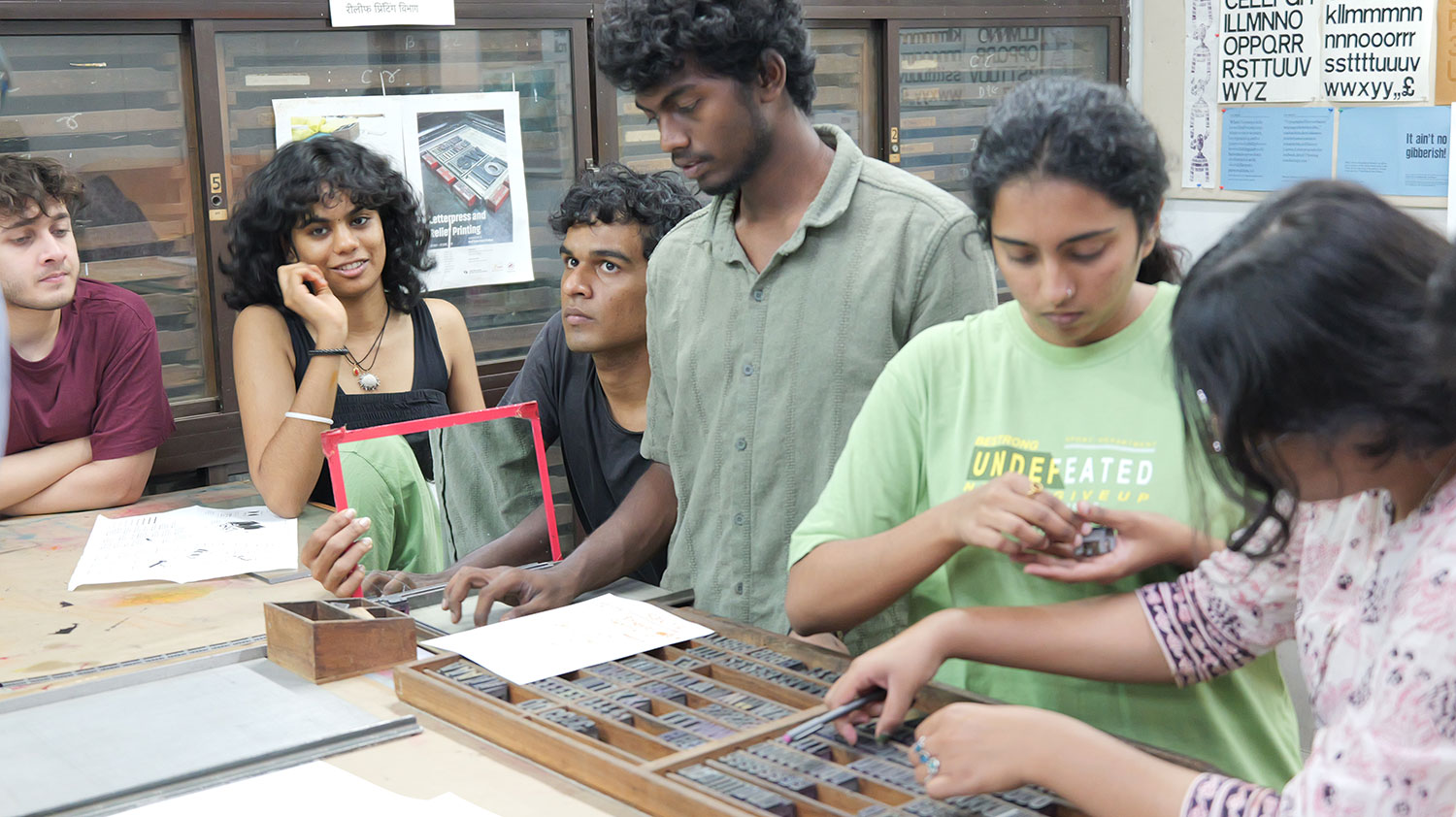
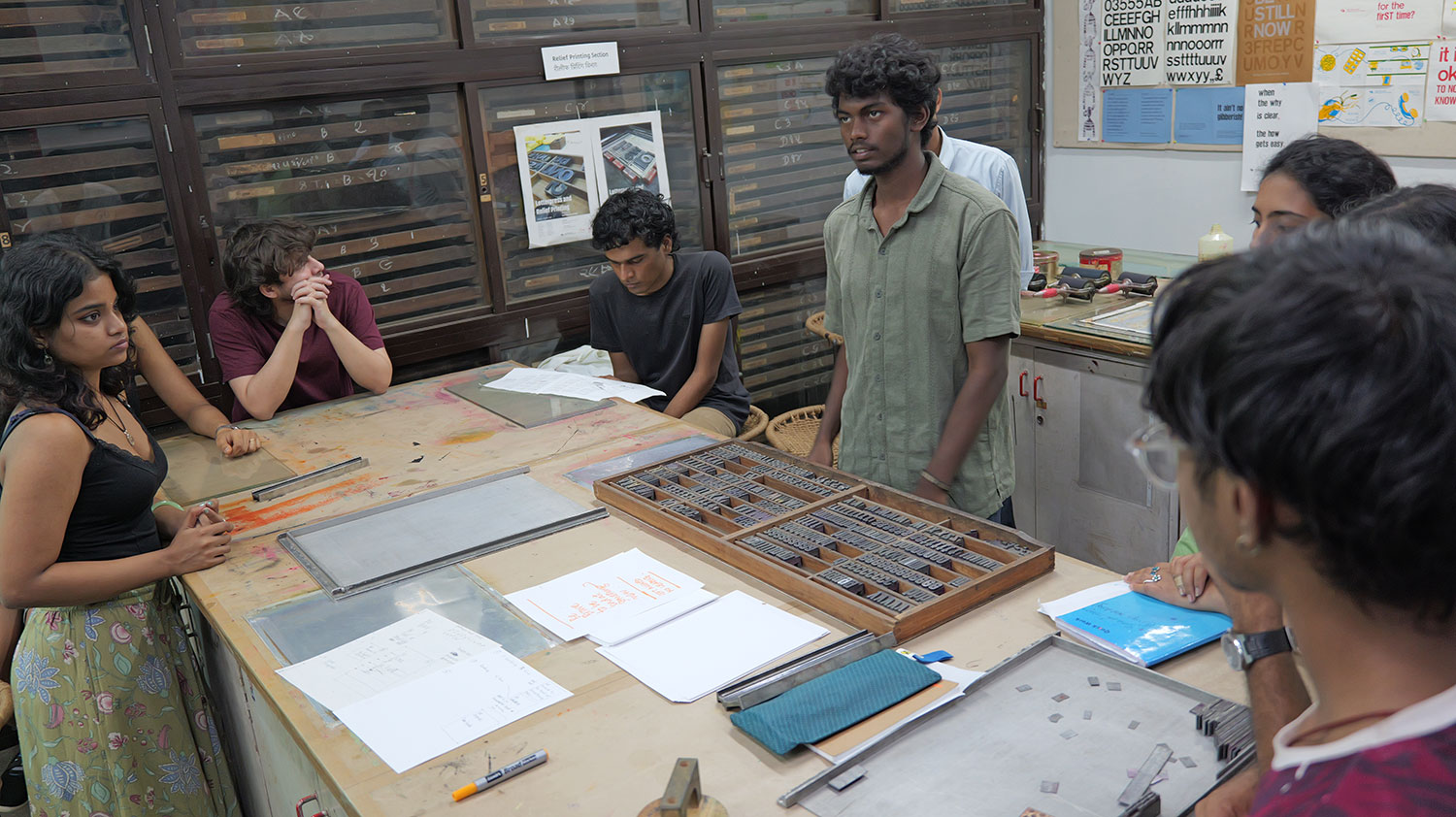
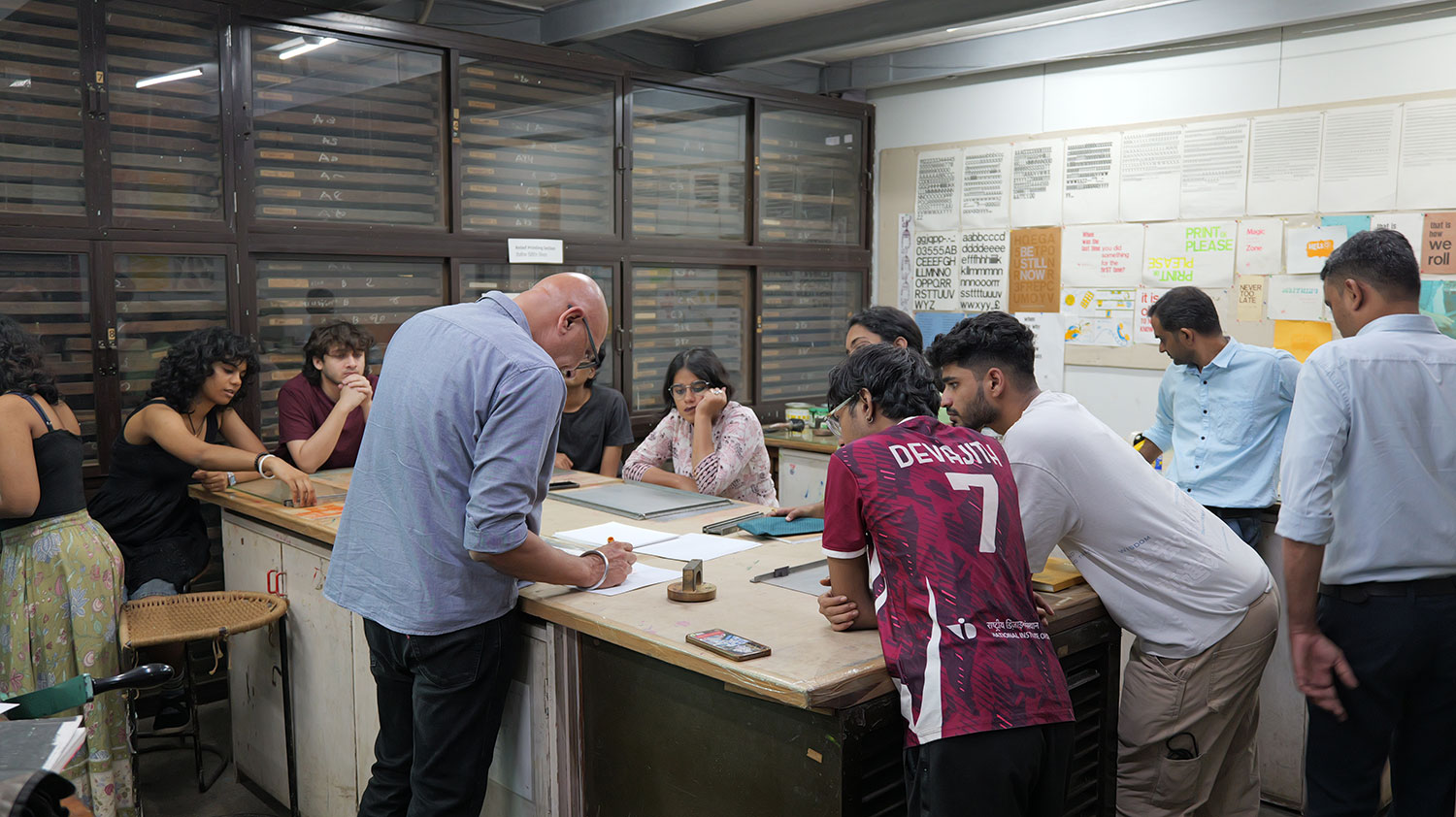
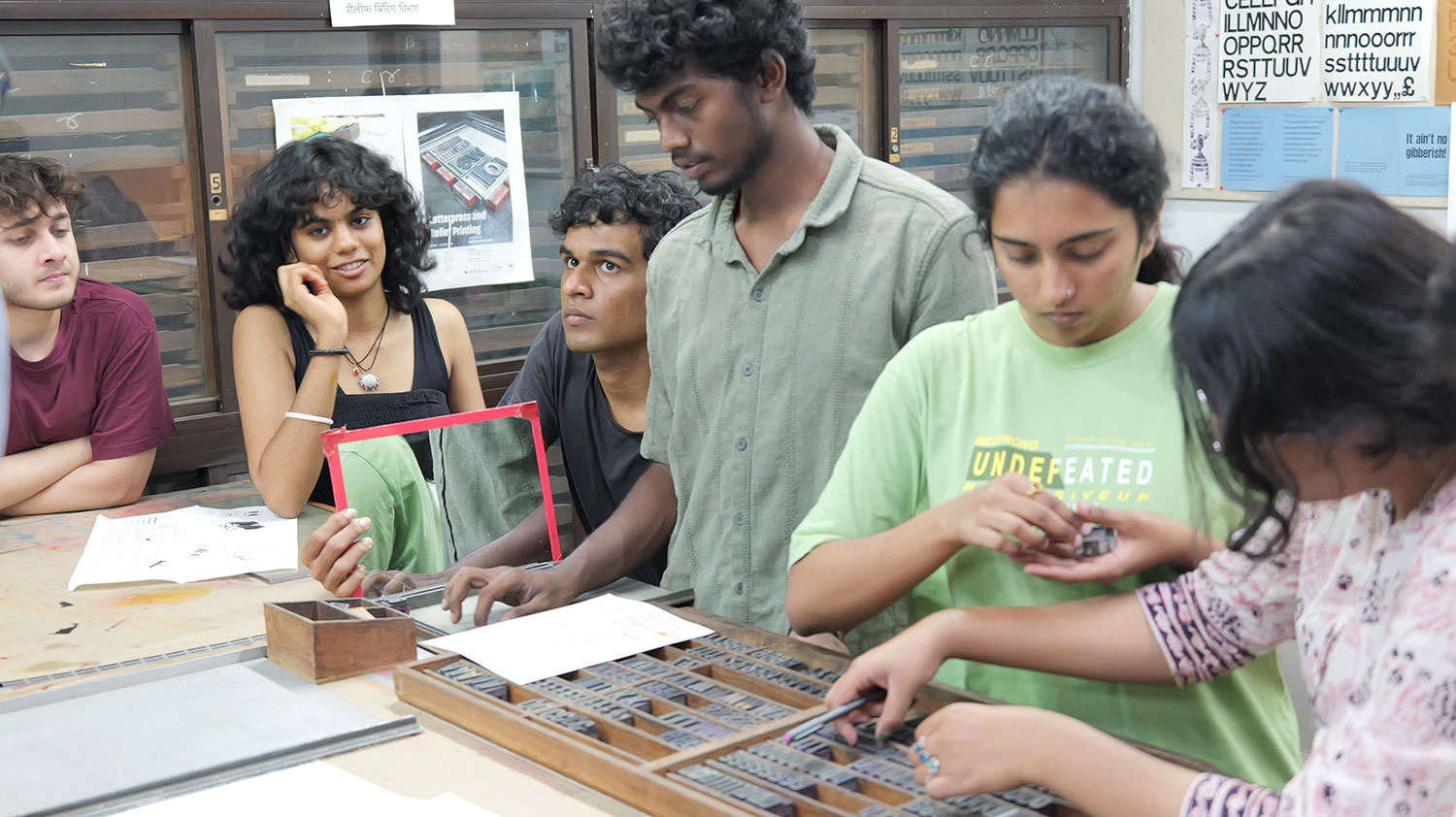
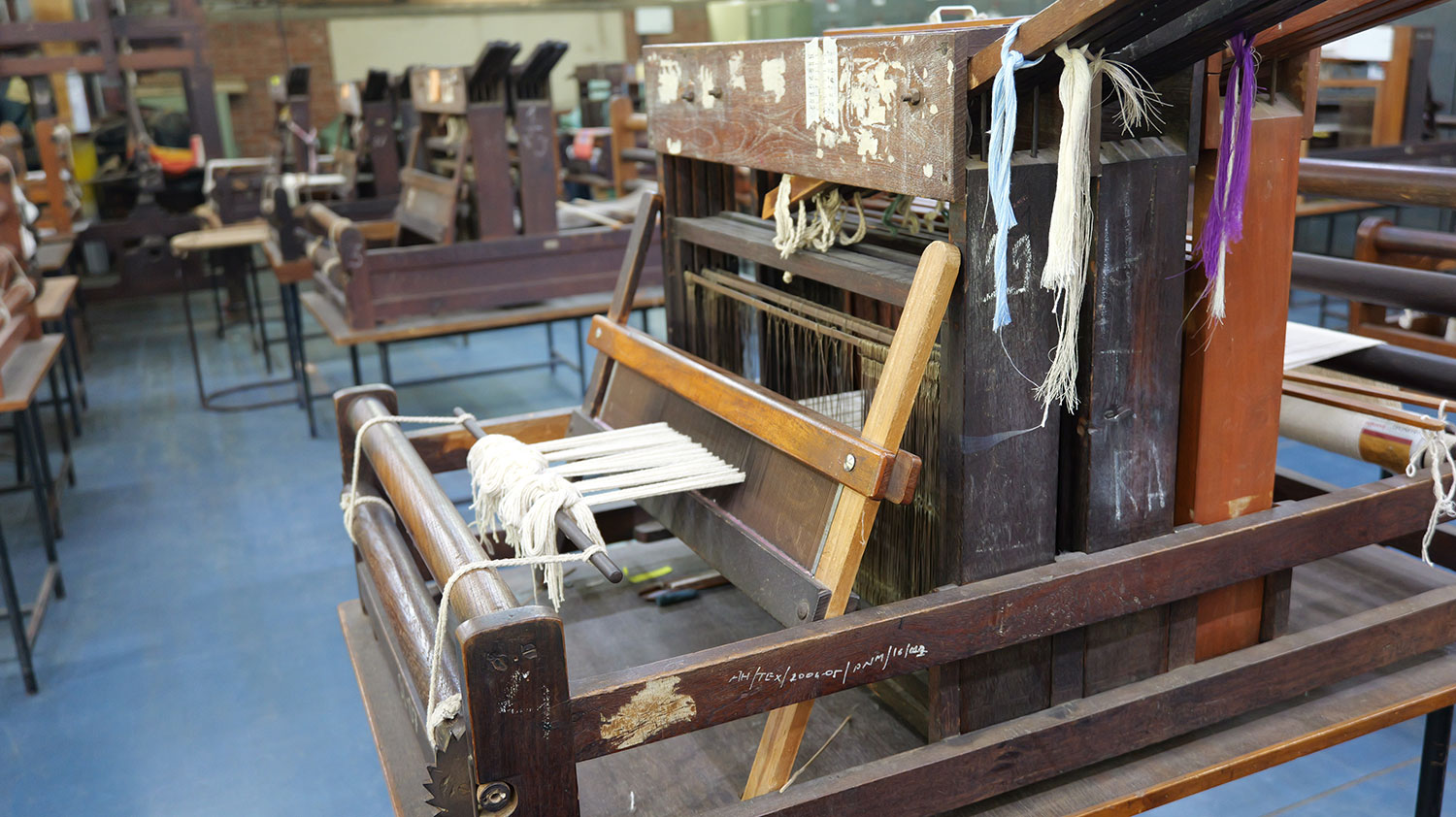
After foundations, the students will choose their paths of design but they will still have opportunities to do interdisciplinary work. Through their programs they will work with hands-on materials rather than with the software through much of it. For example, I sat in on a typography class where they were learning to set type for a letterpress machine. This class took part in the print lab where I took a look around at the different equipment. There were many tools you would find at a printmaking studio but also some you would find in an old print shop…book binding tools, an original Heidelberg press, an old off-set litho press and more. I was brought around the whole school as well and all of the different classrooms were like this with the hands-on learning. I may have seen one or two computers being worked on while there. There were also collaborative spaces with people working together planning with markers, post-its and large sheets of paper.
The Space
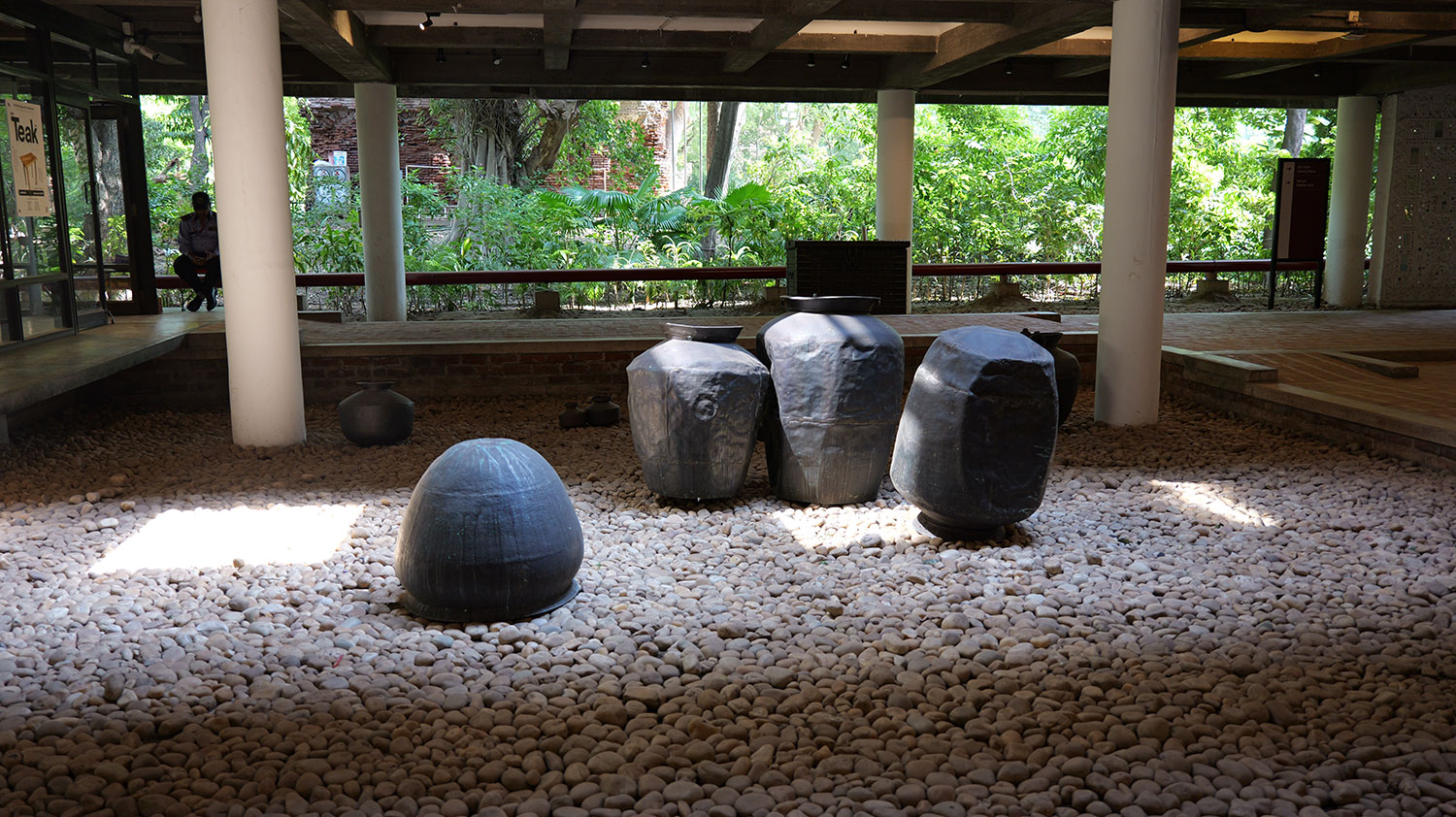
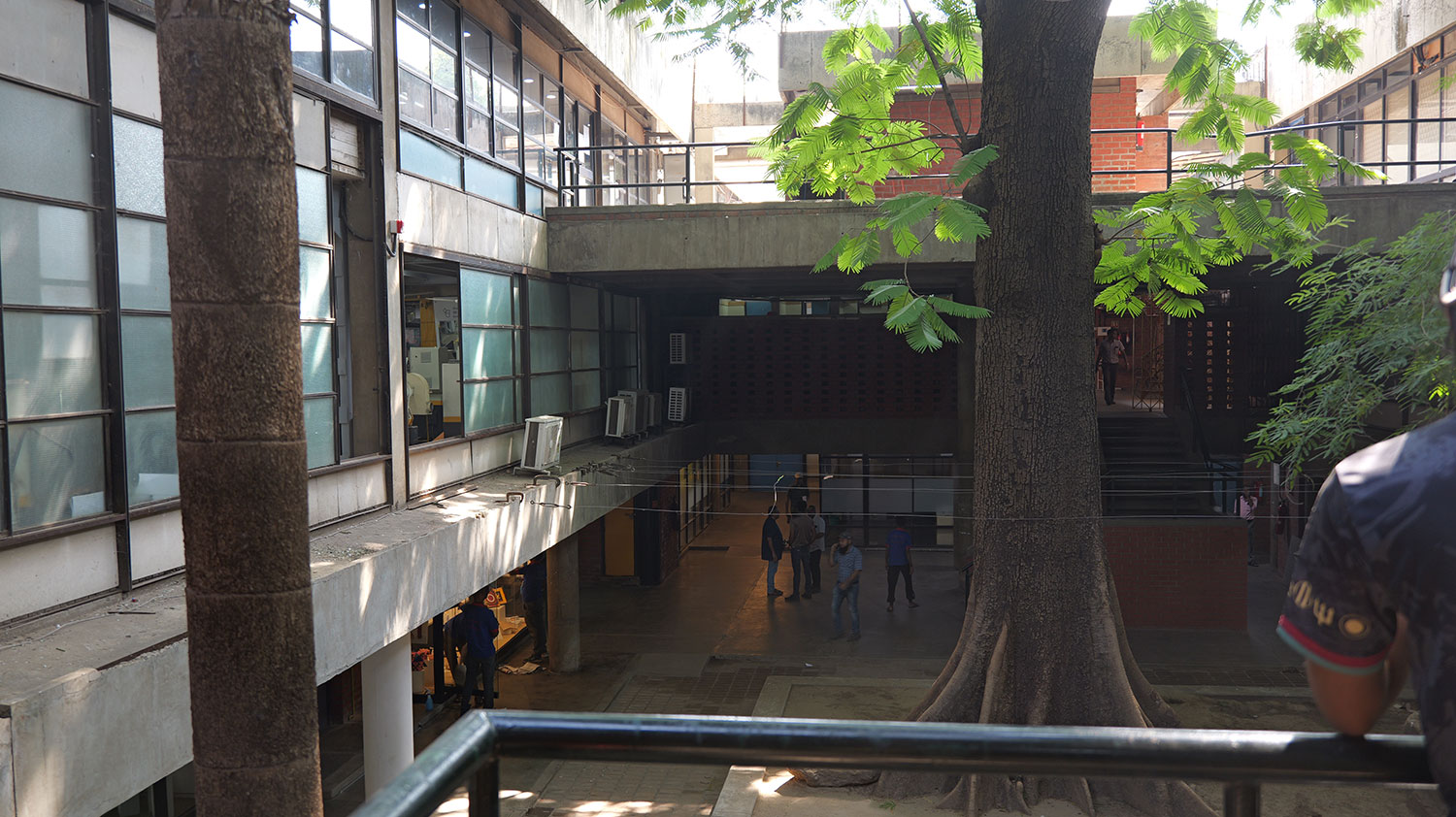
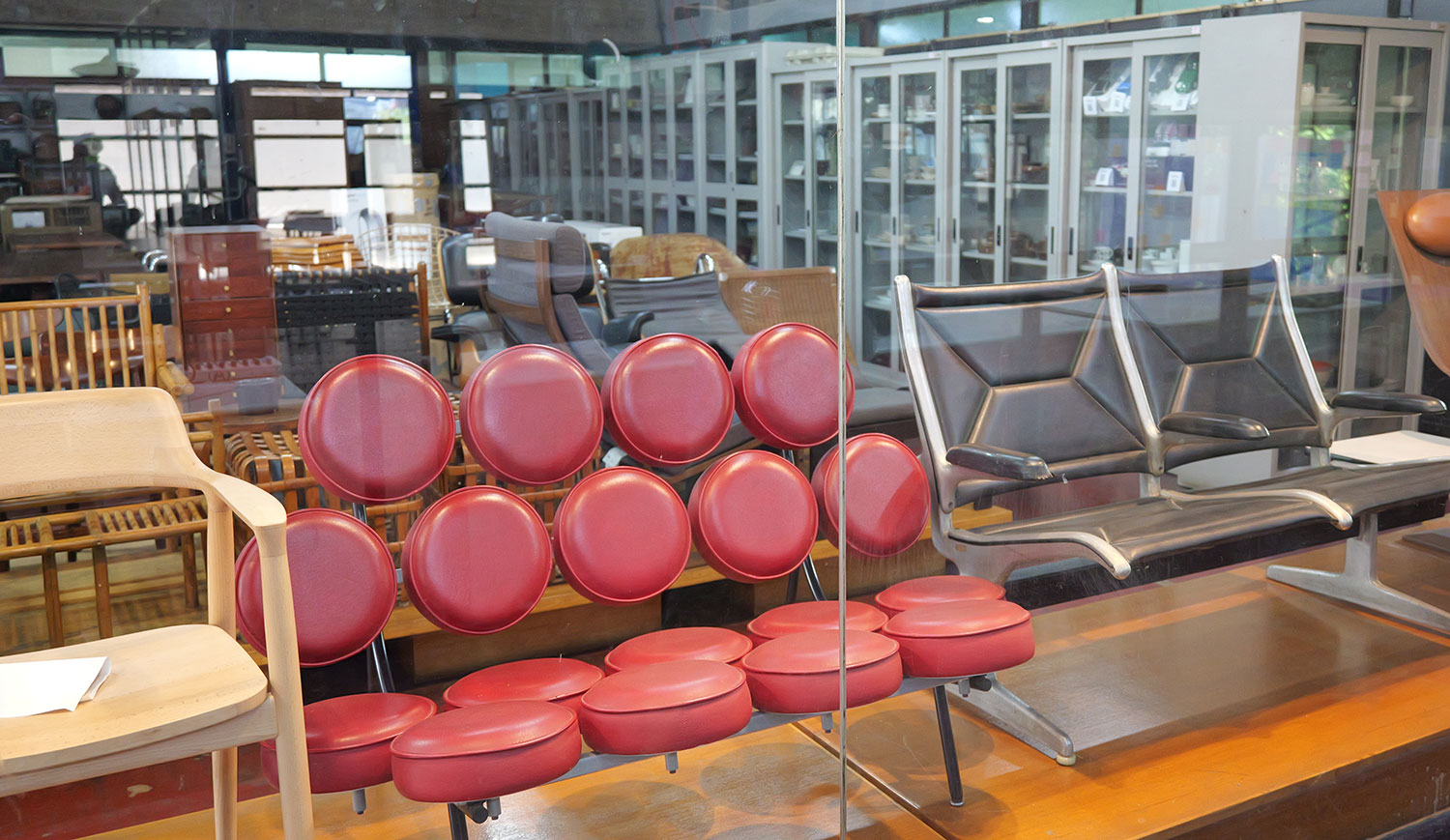
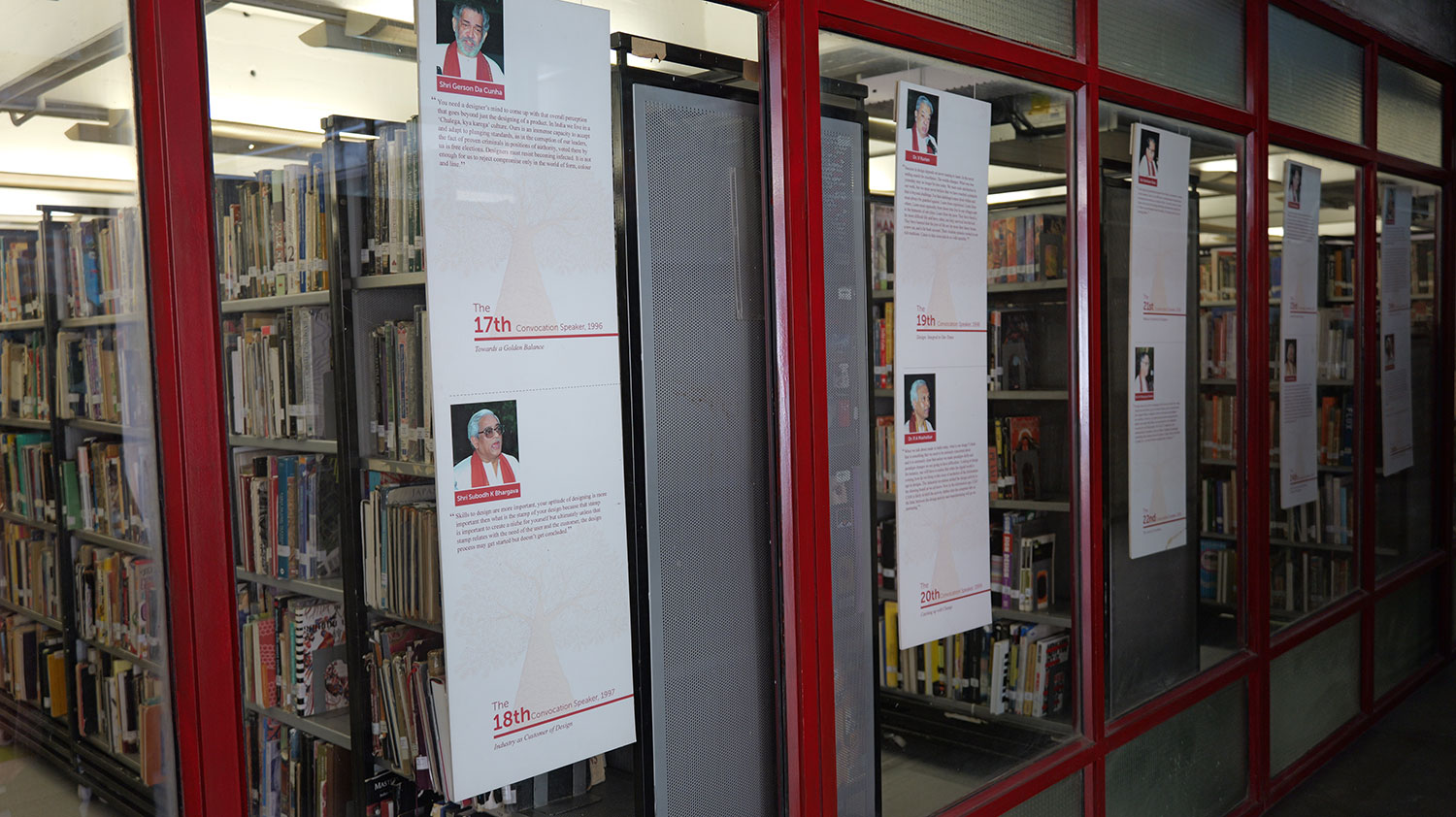
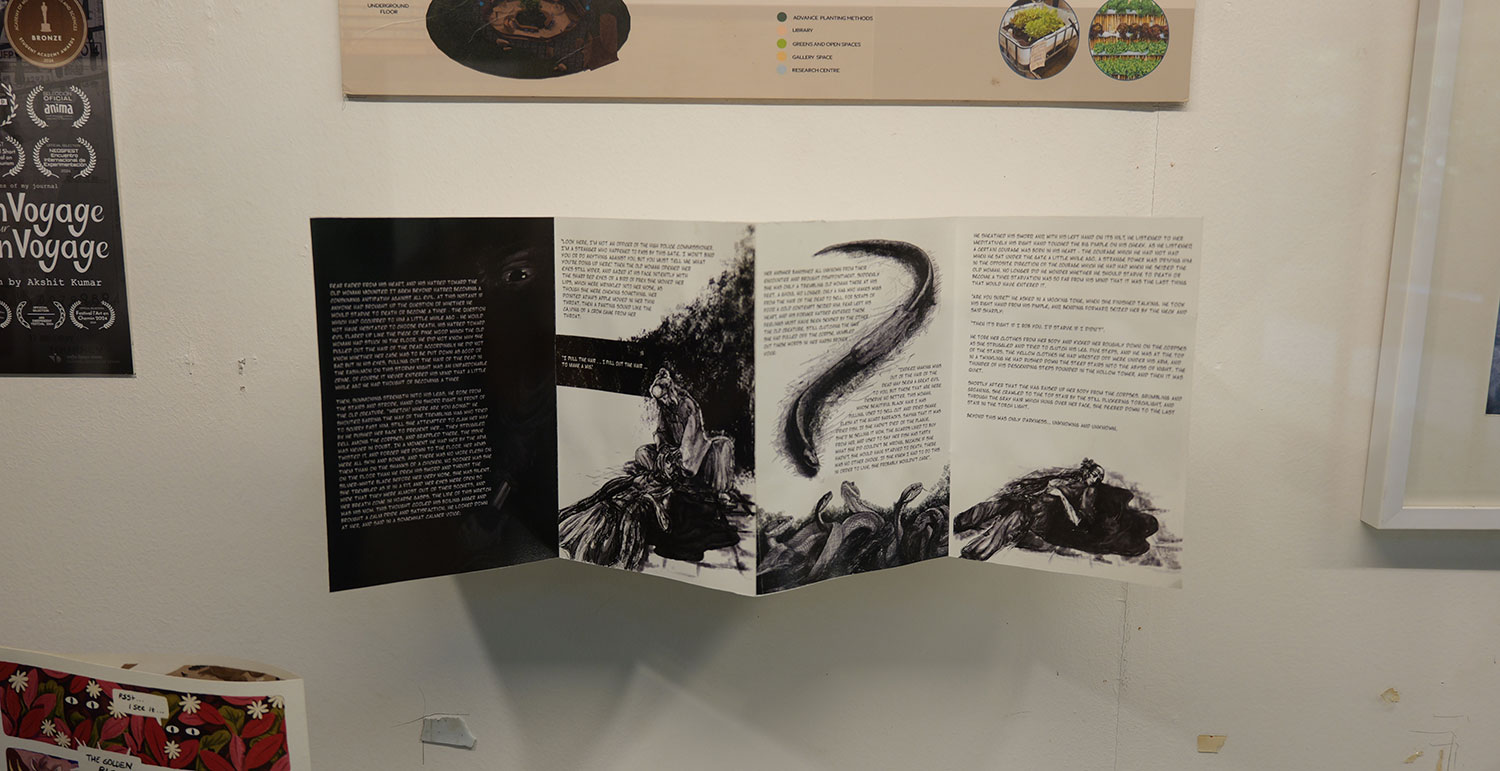
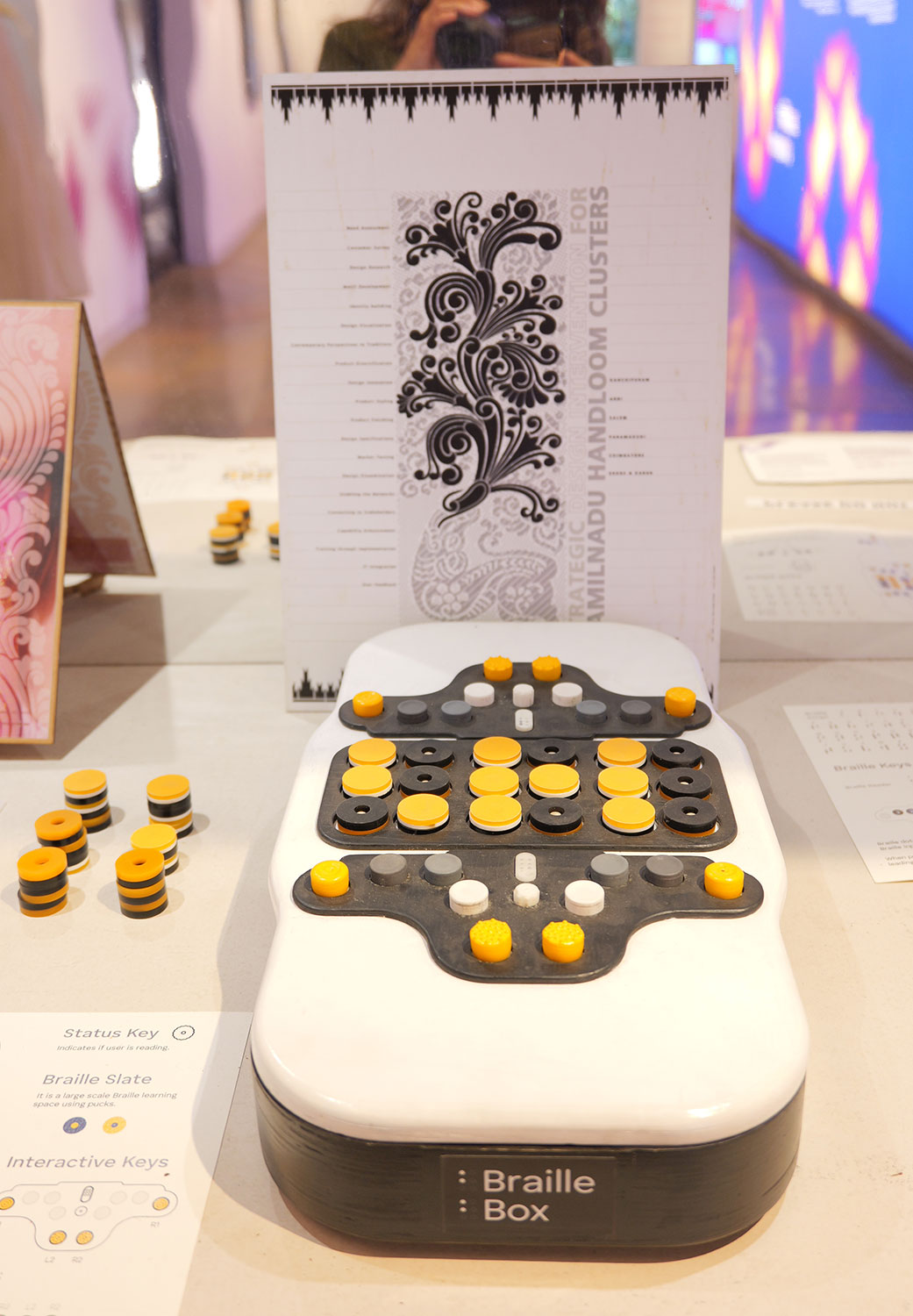
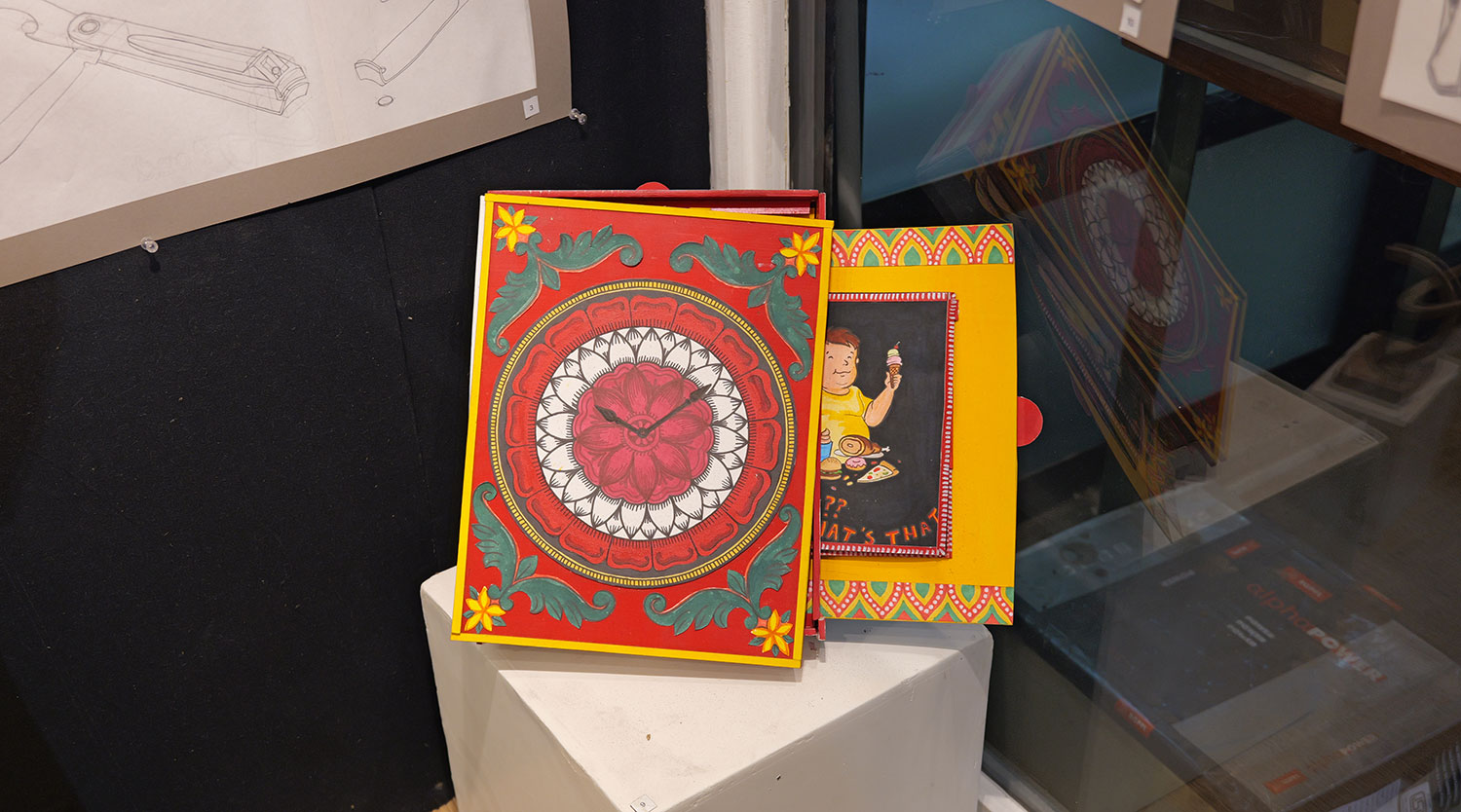
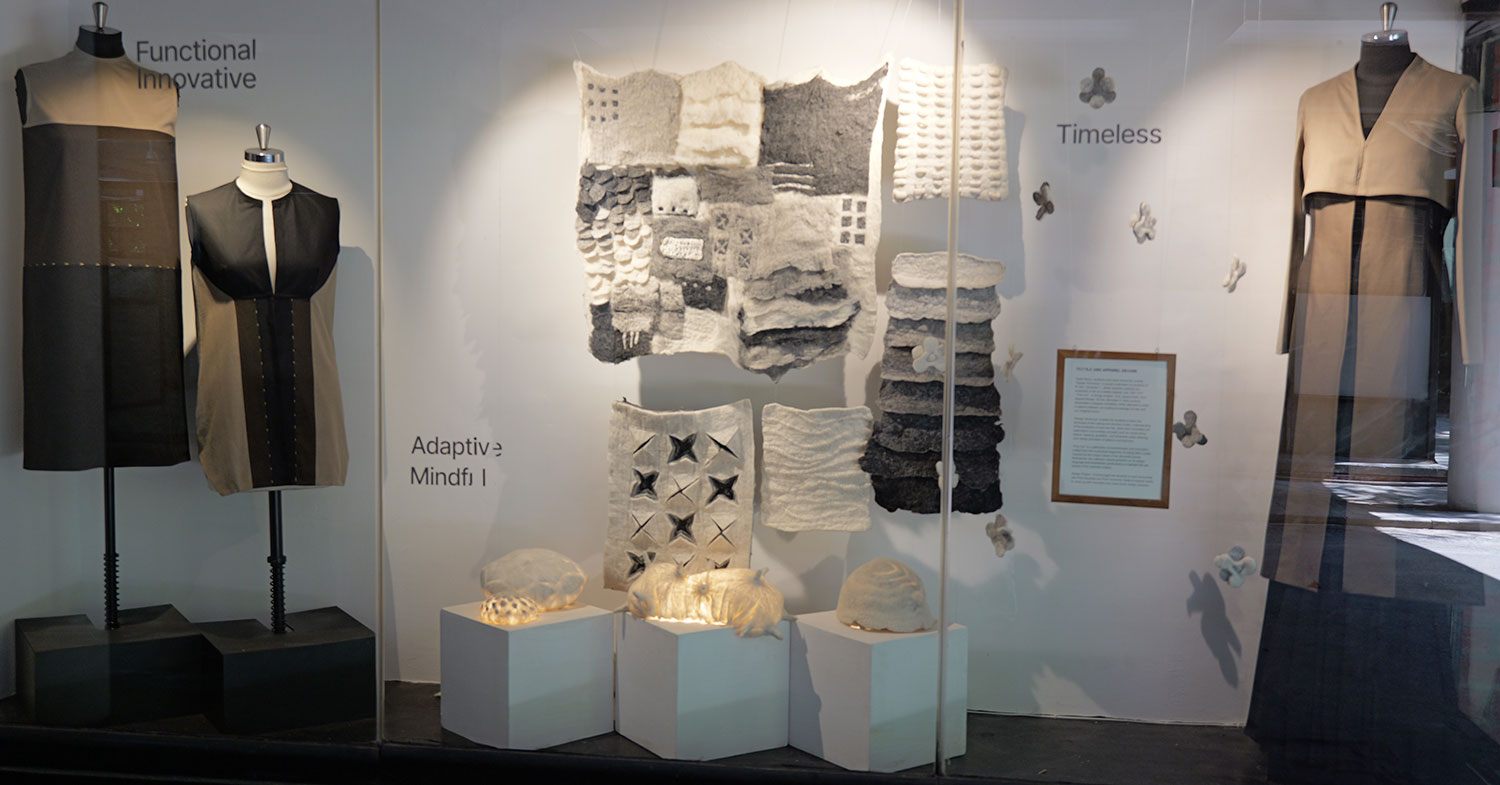
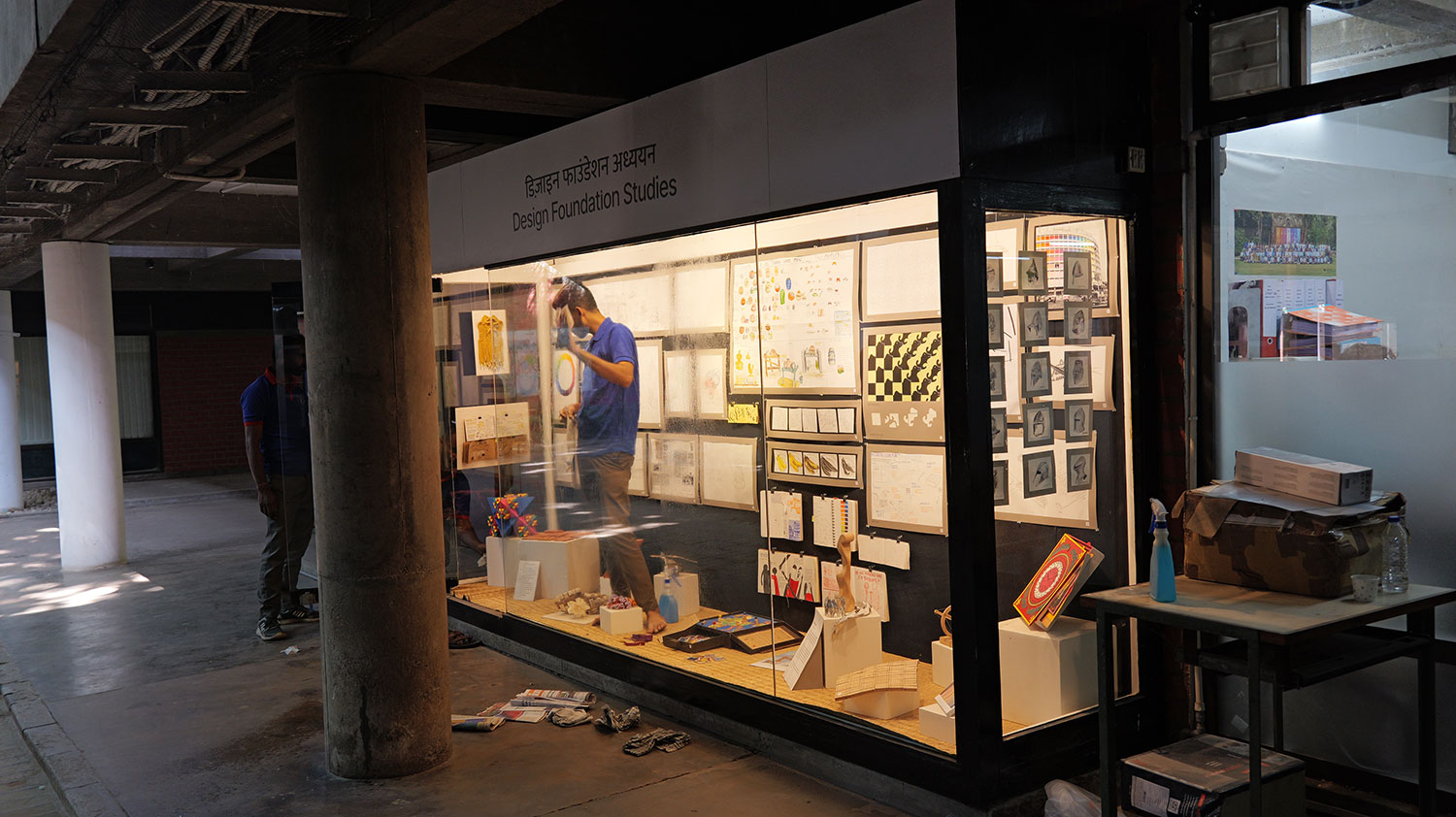
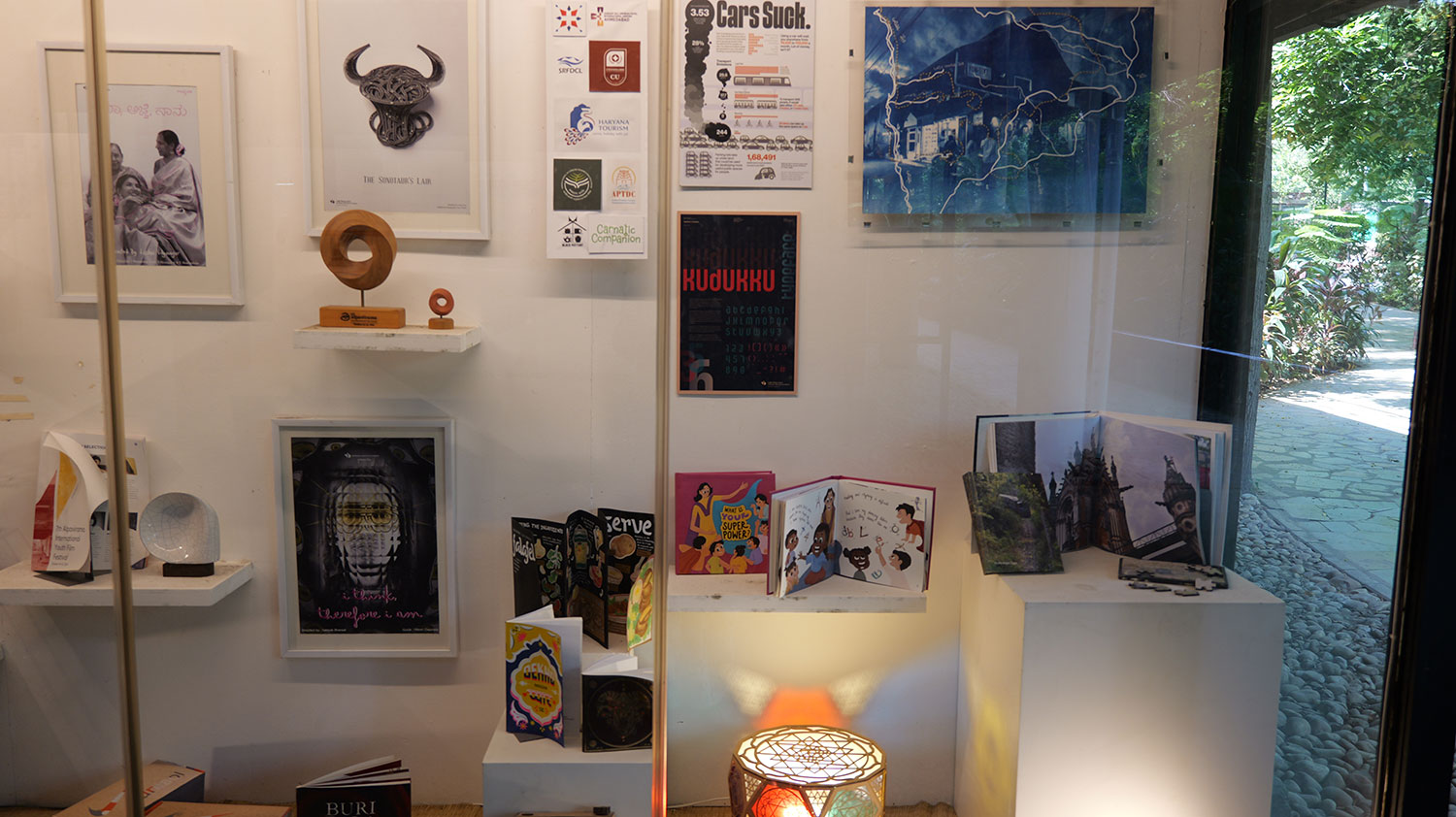
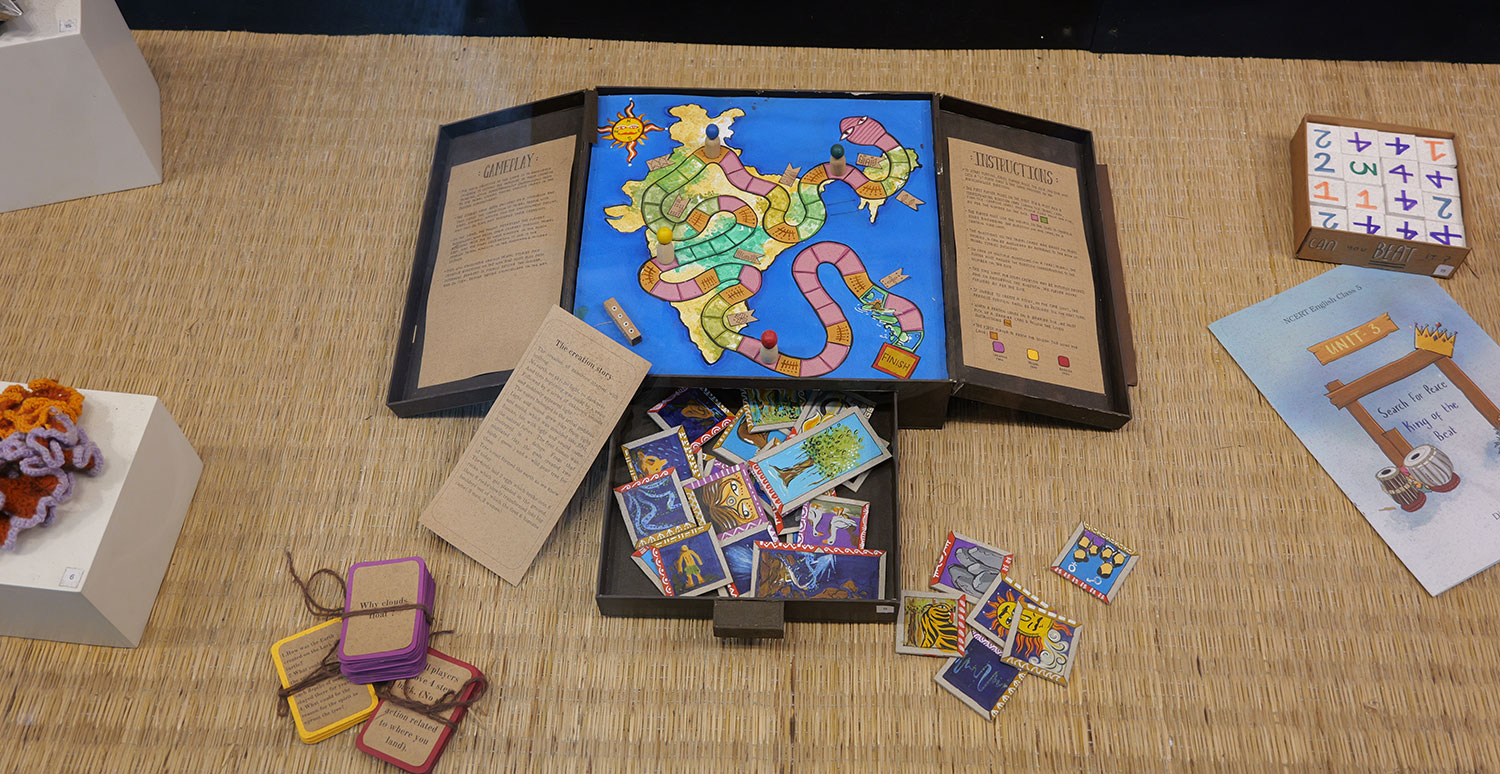
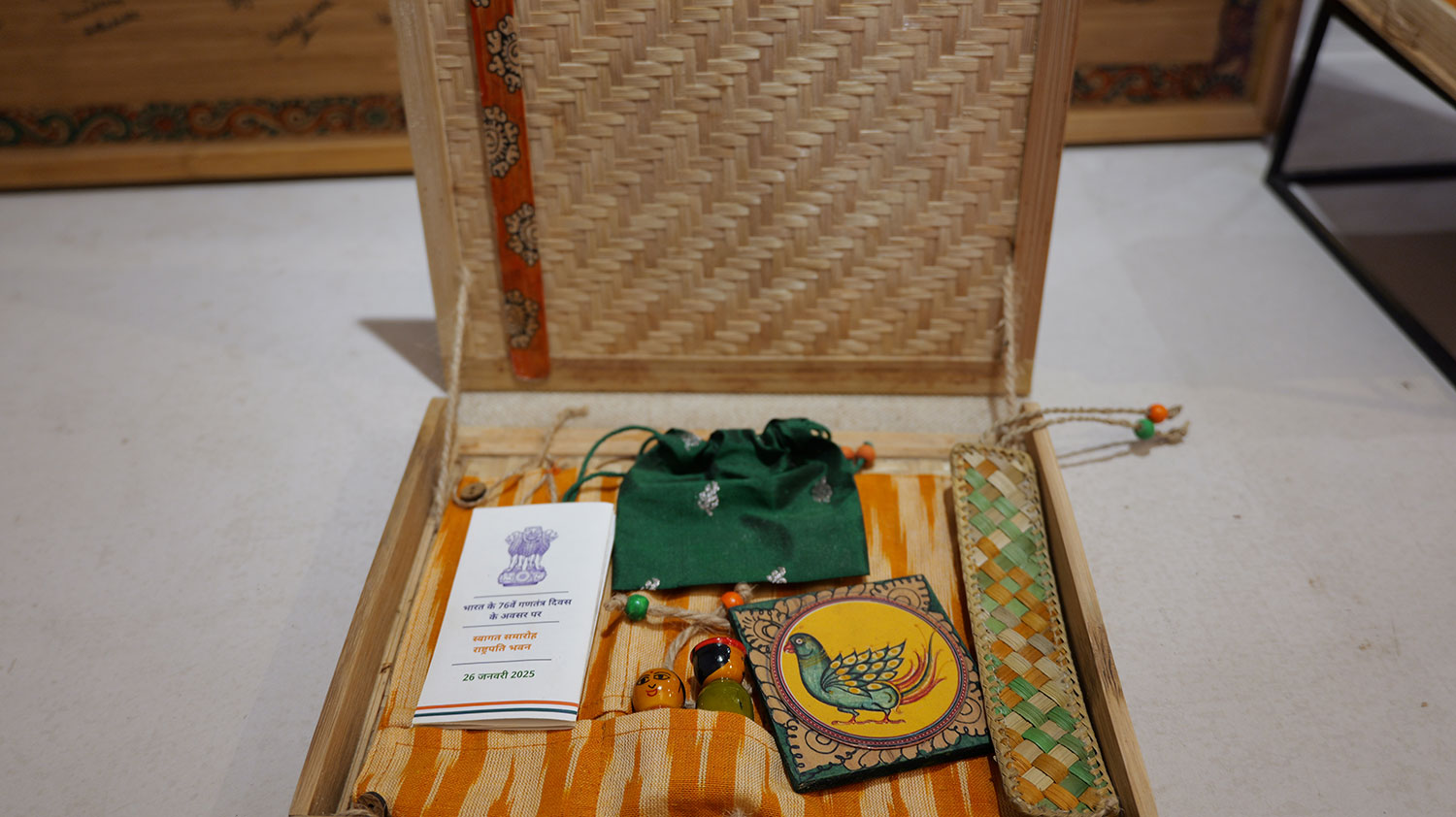
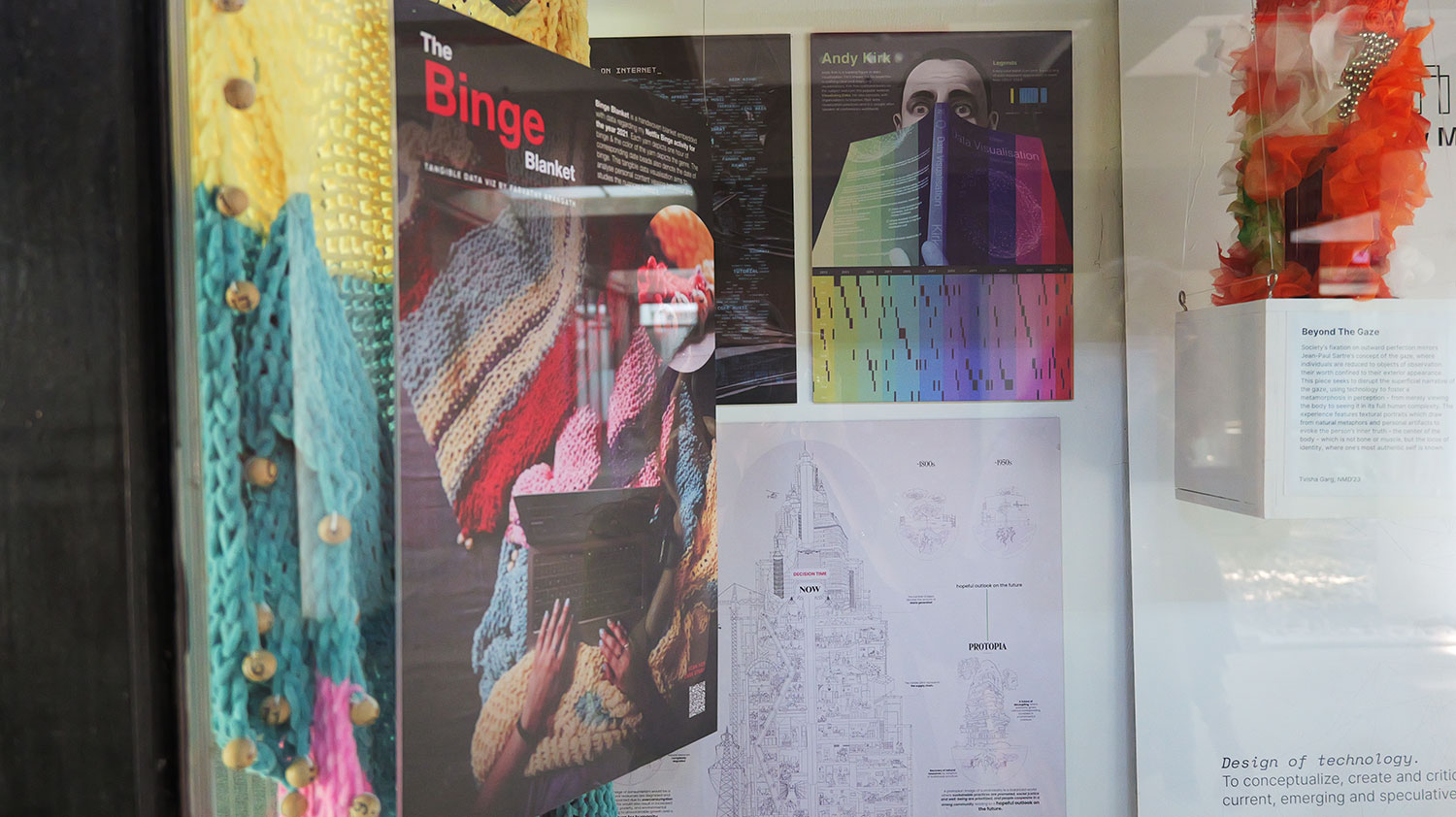
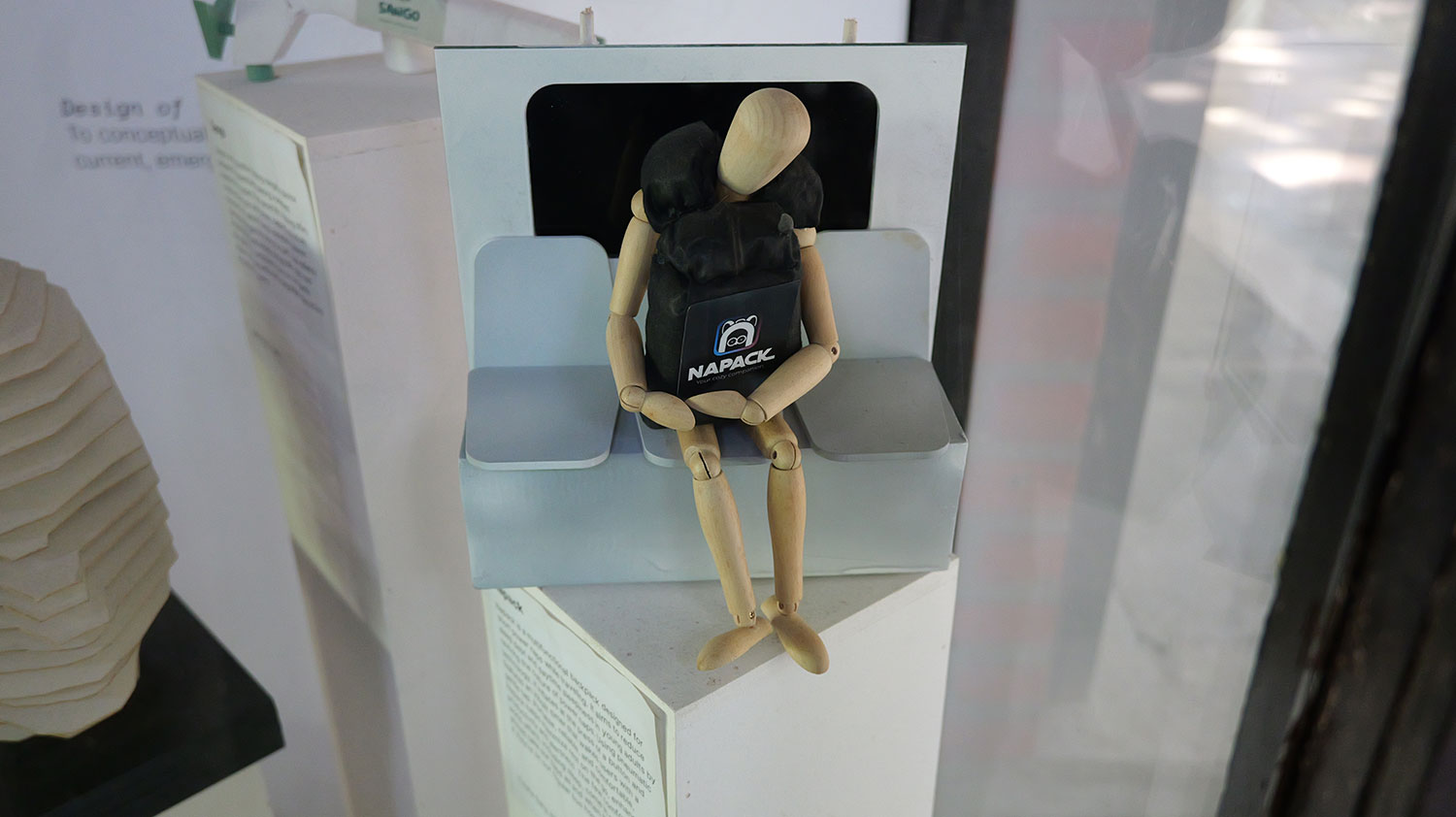
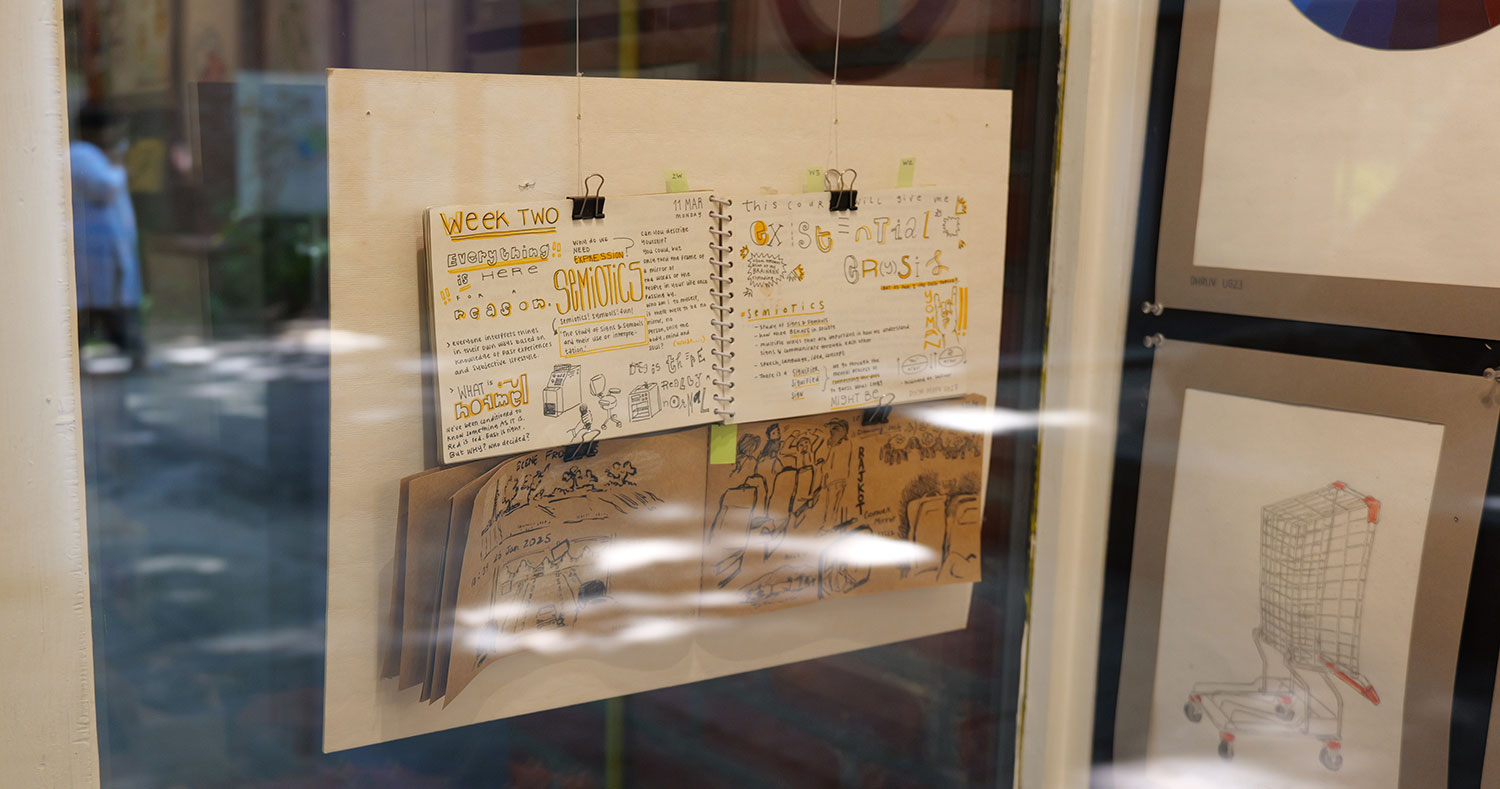
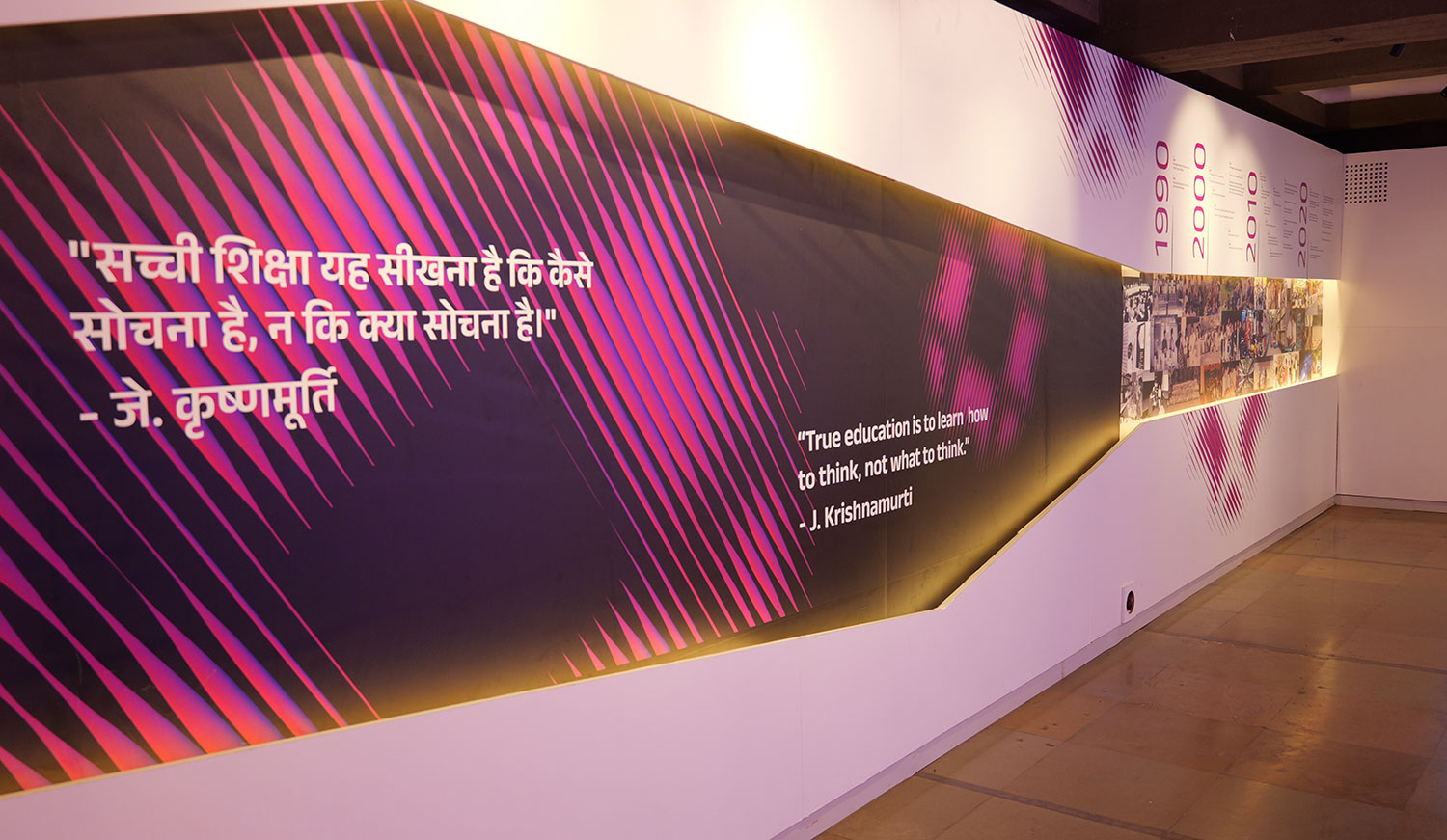
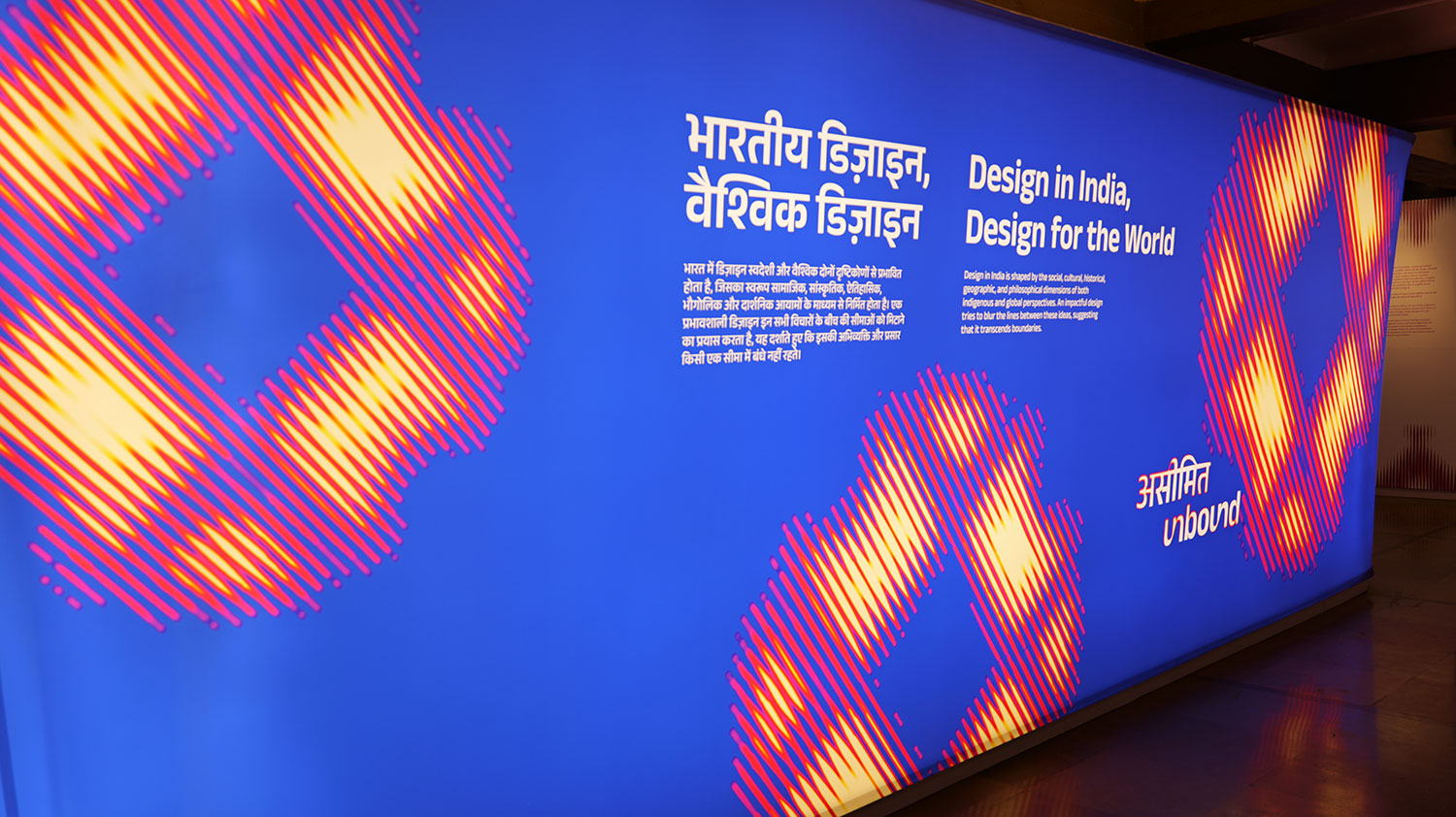
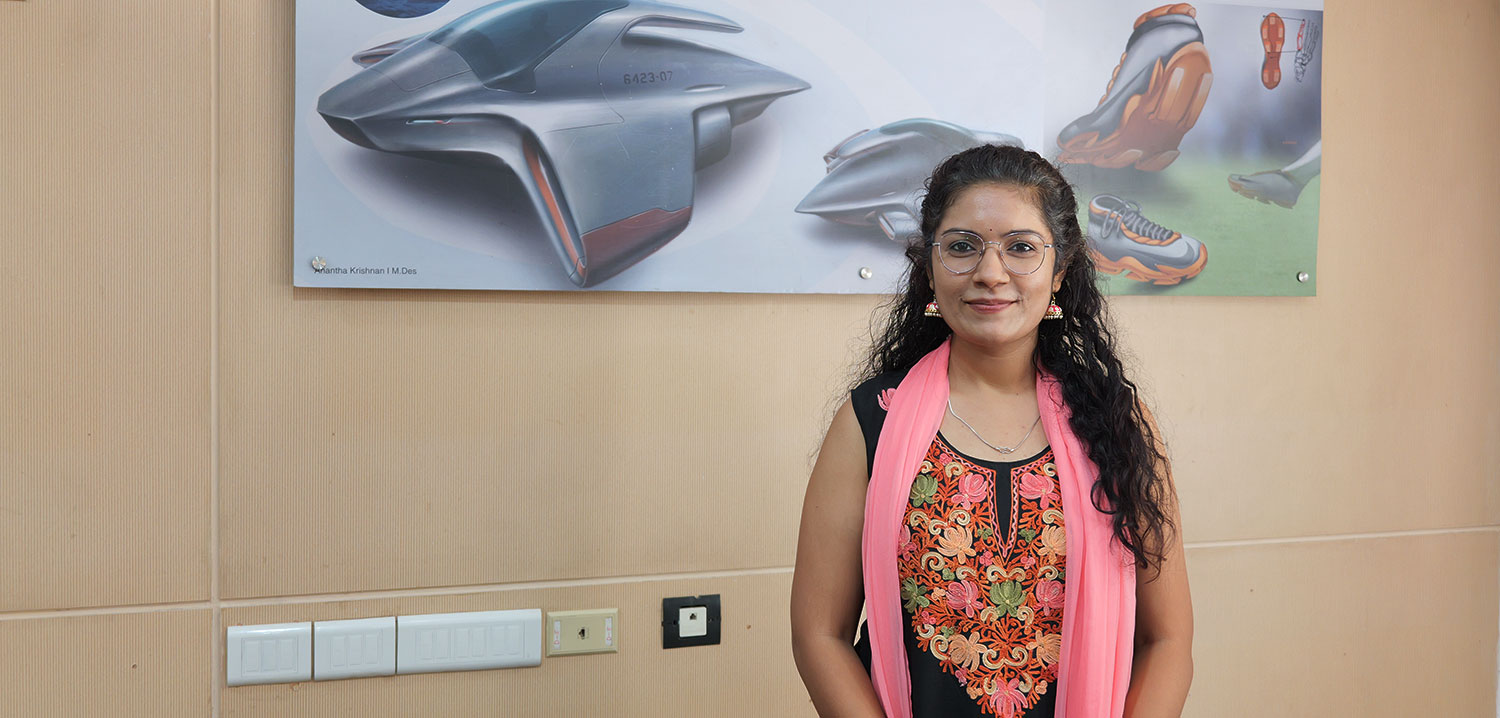
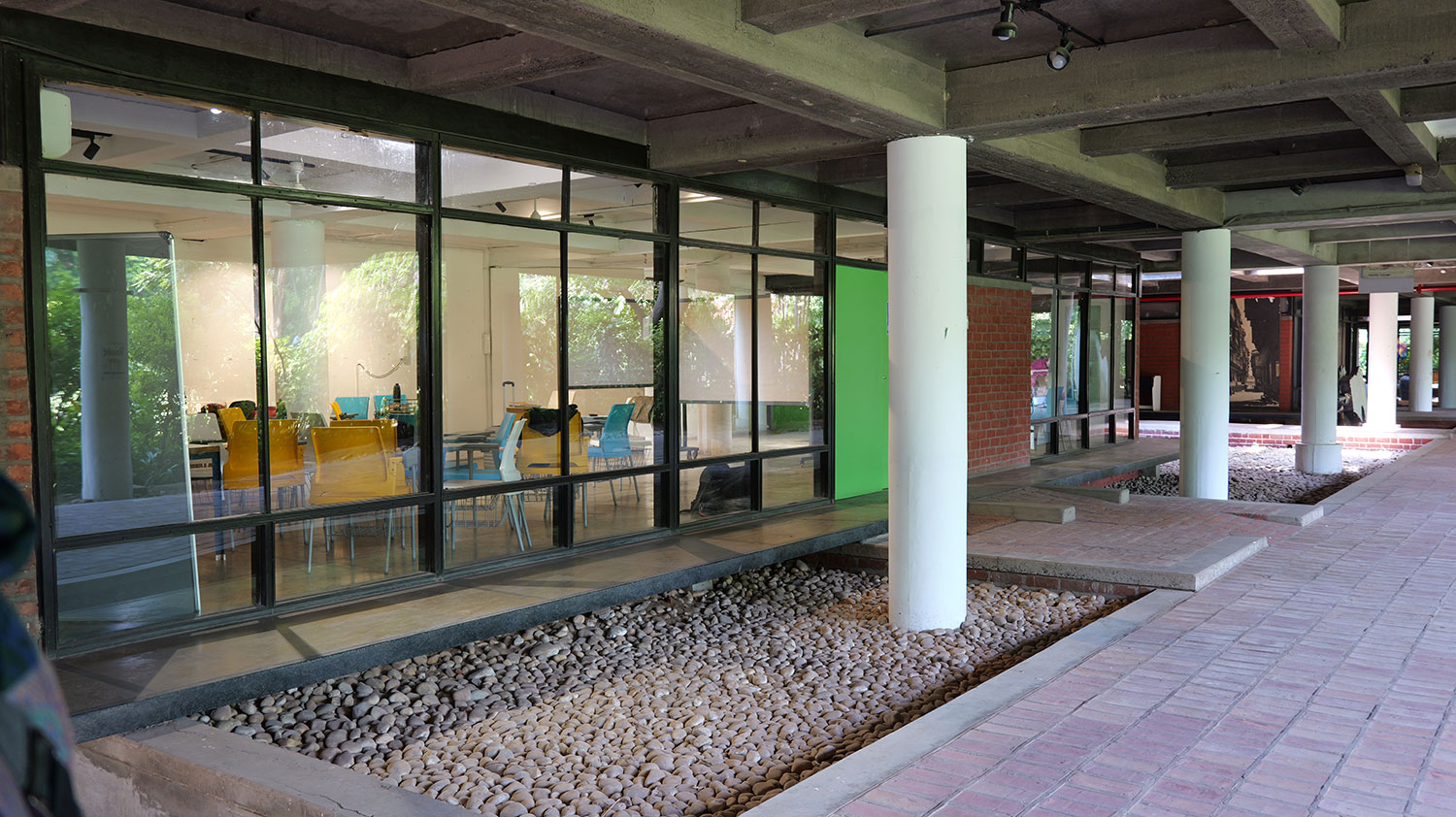
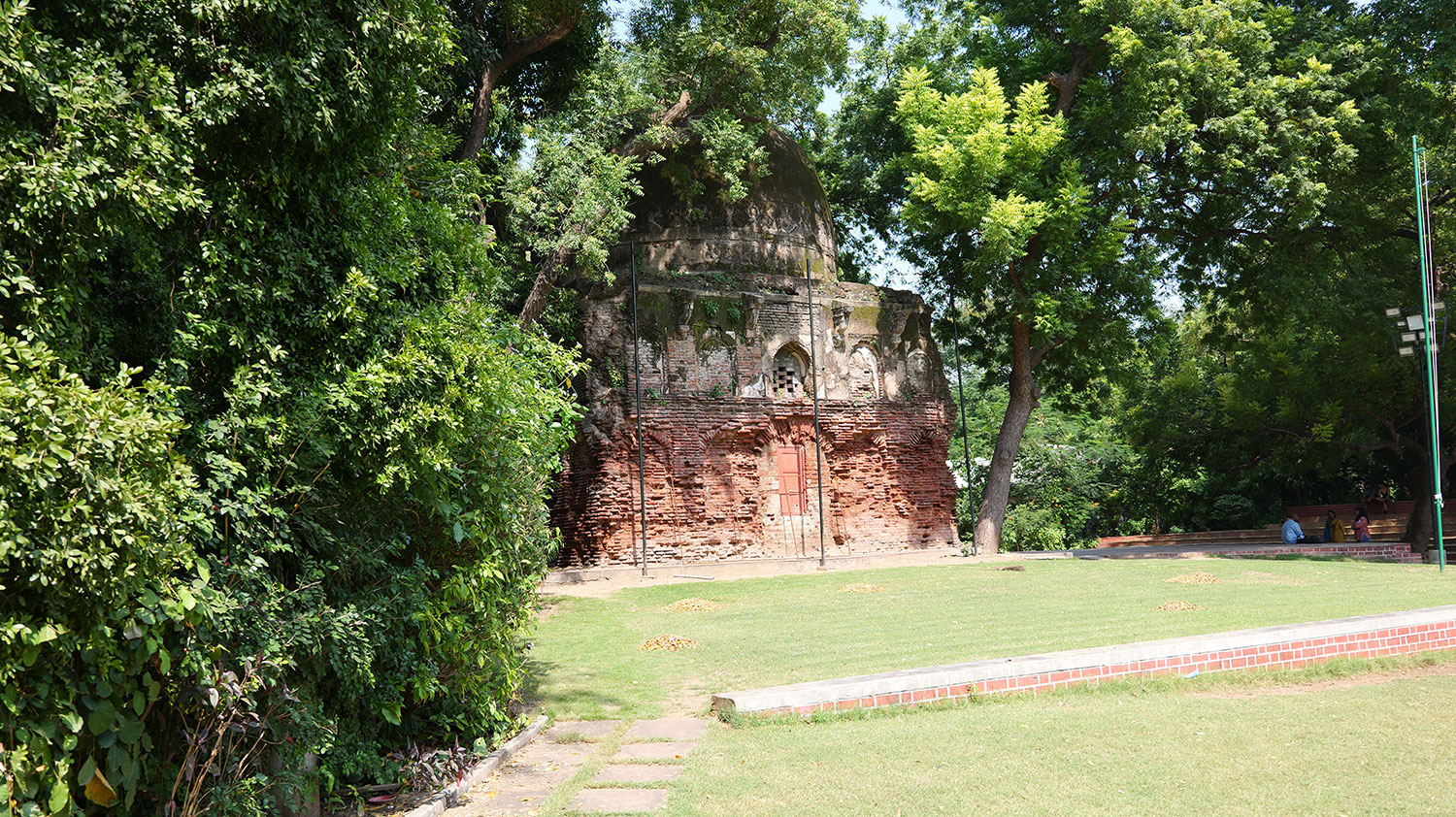
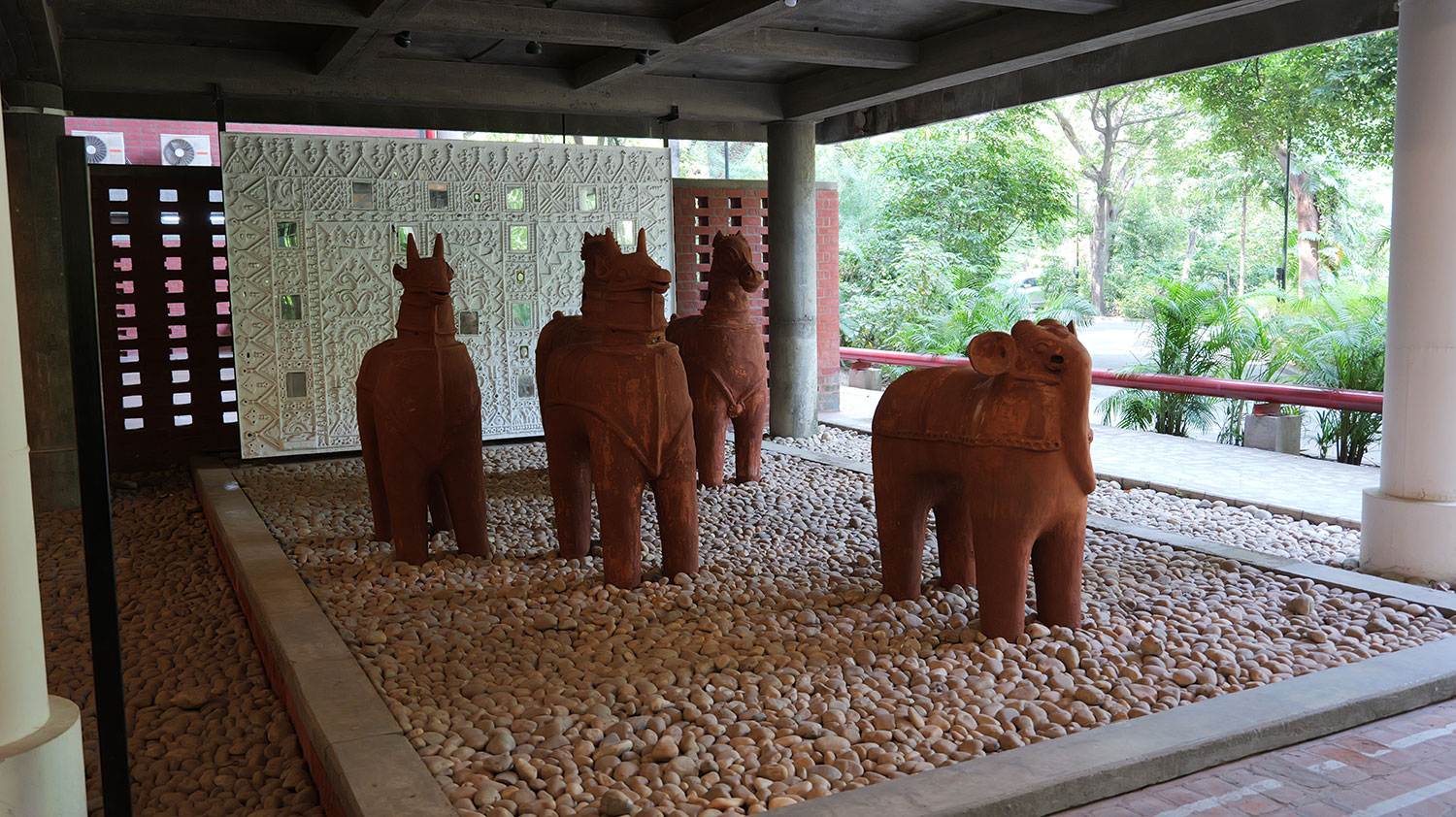
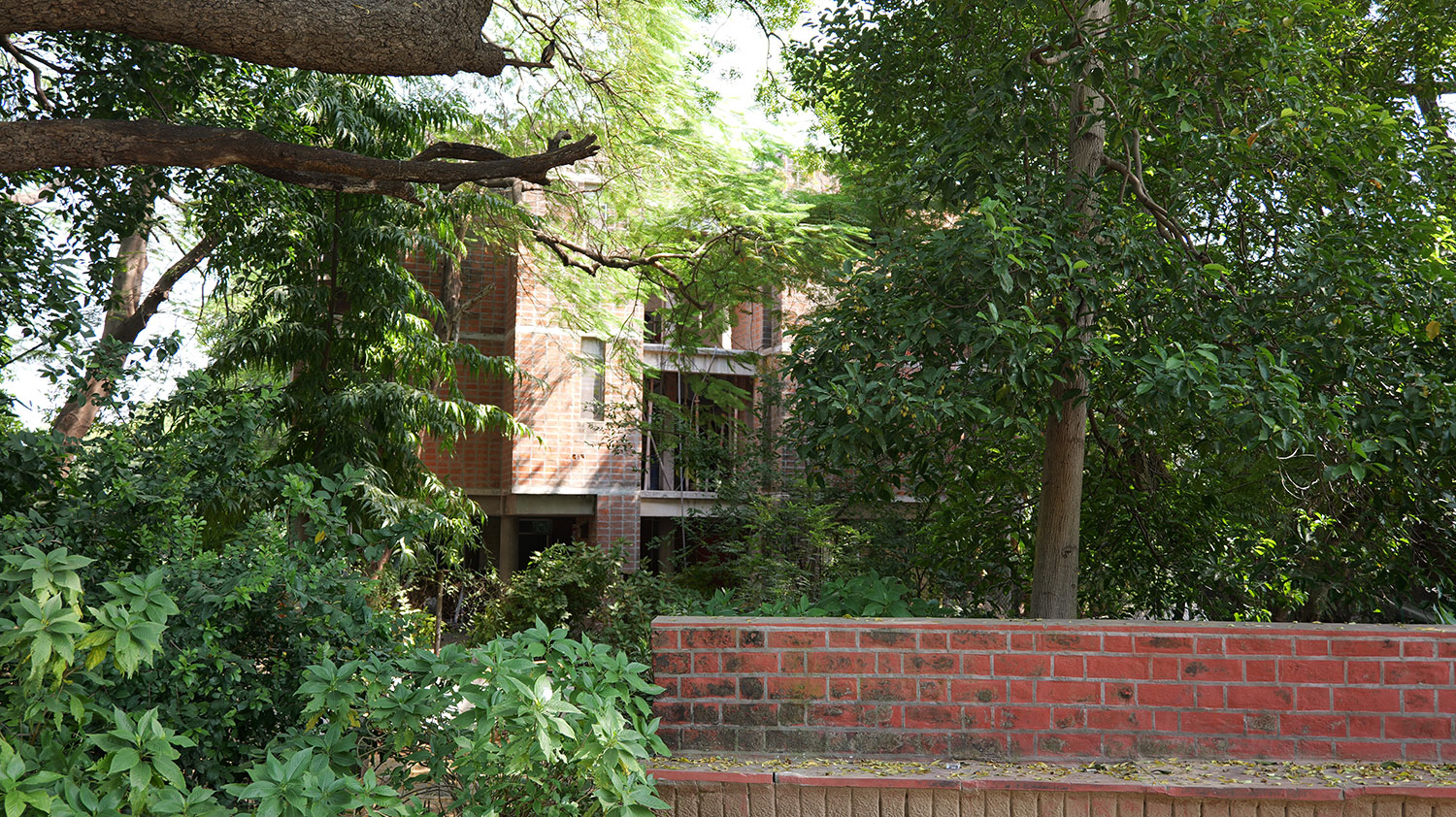
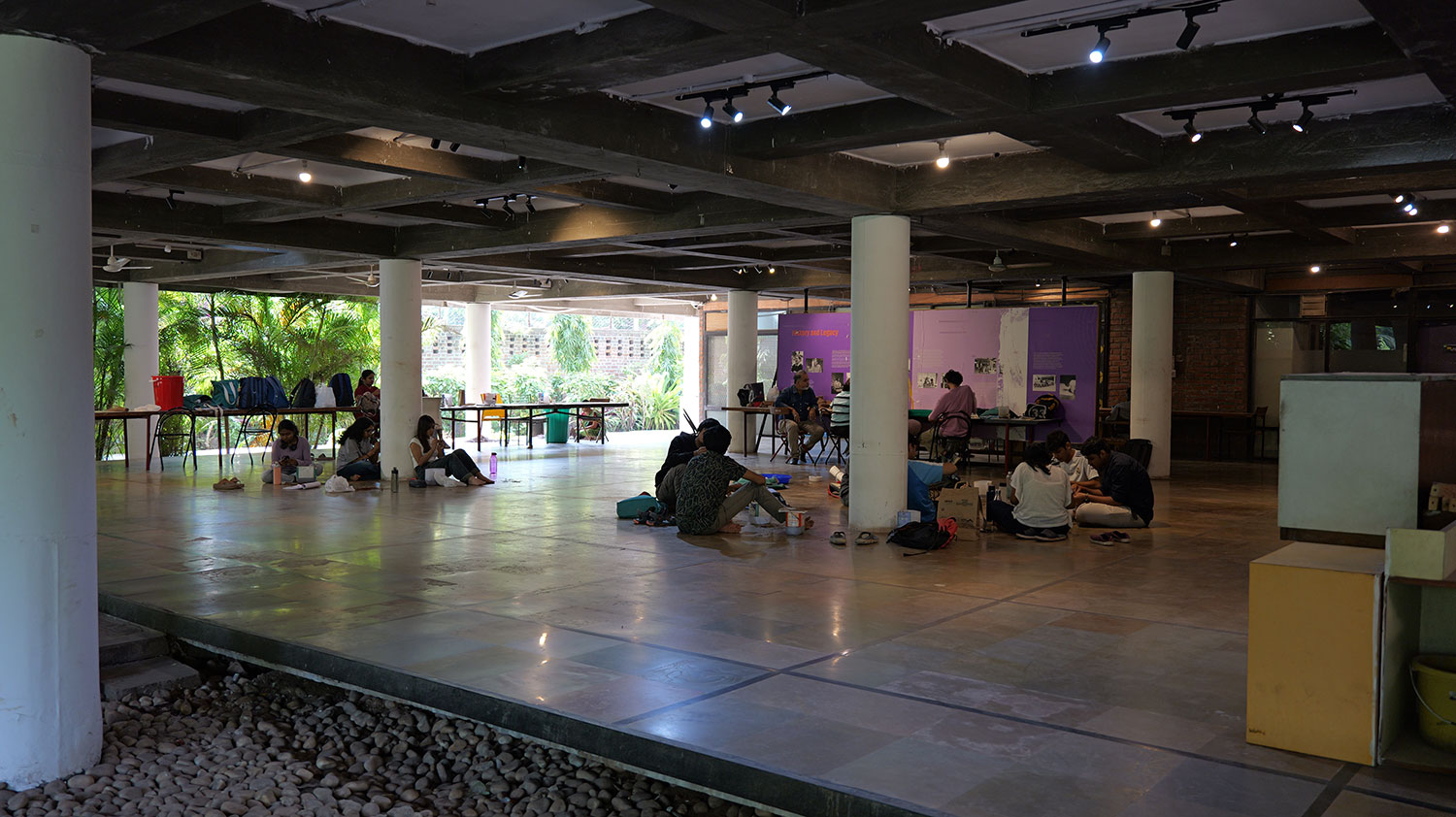
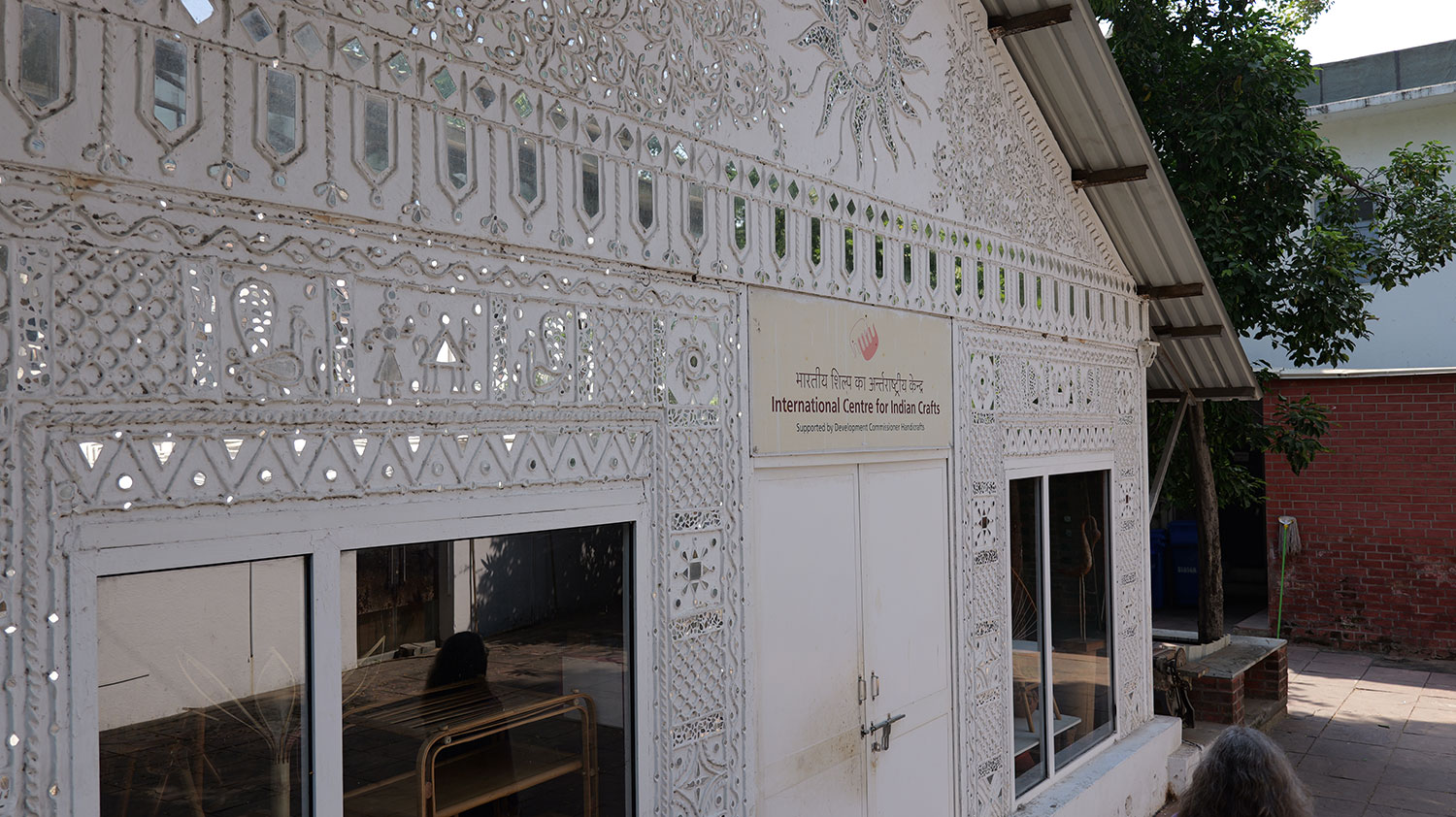
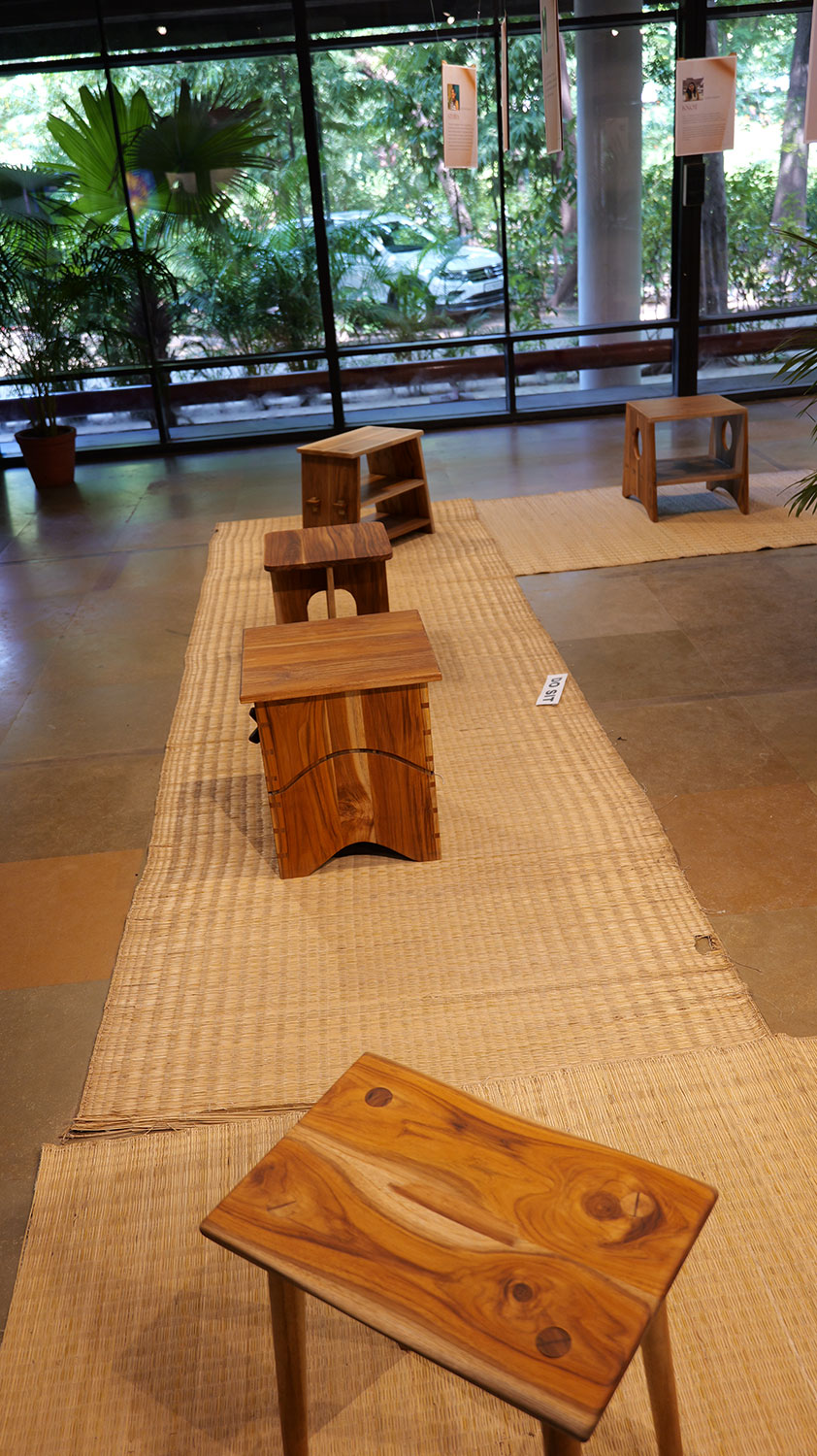
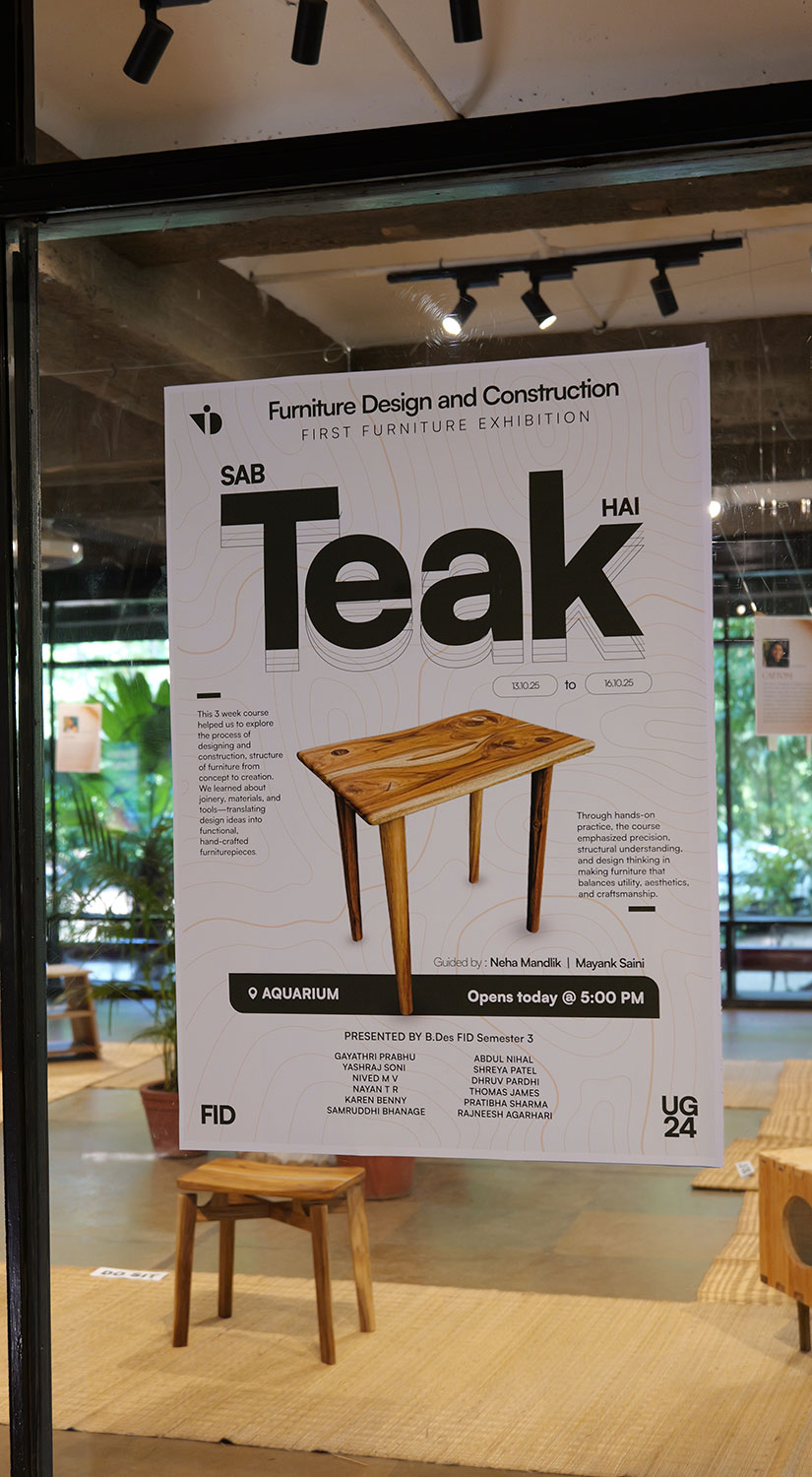
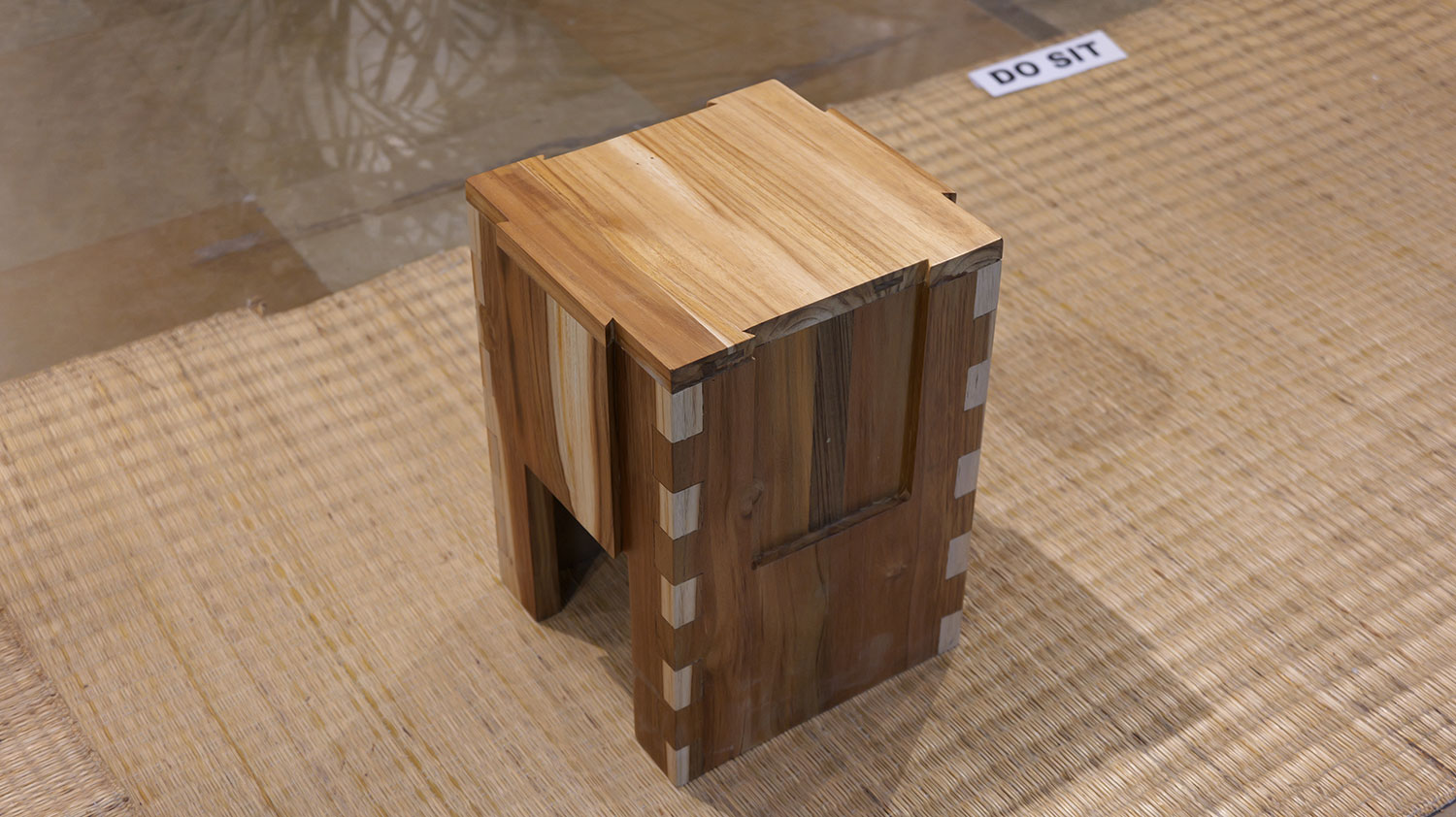
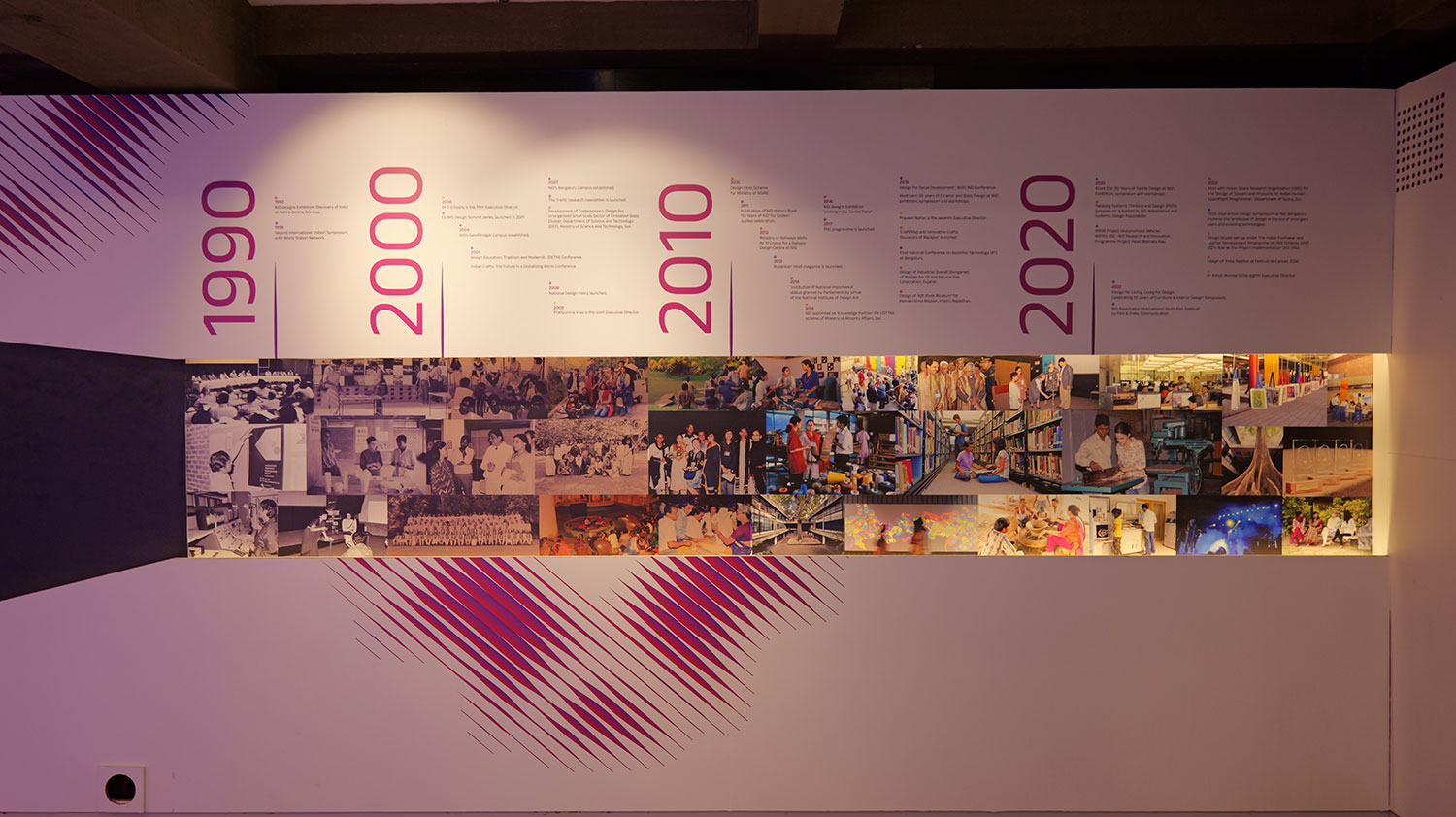
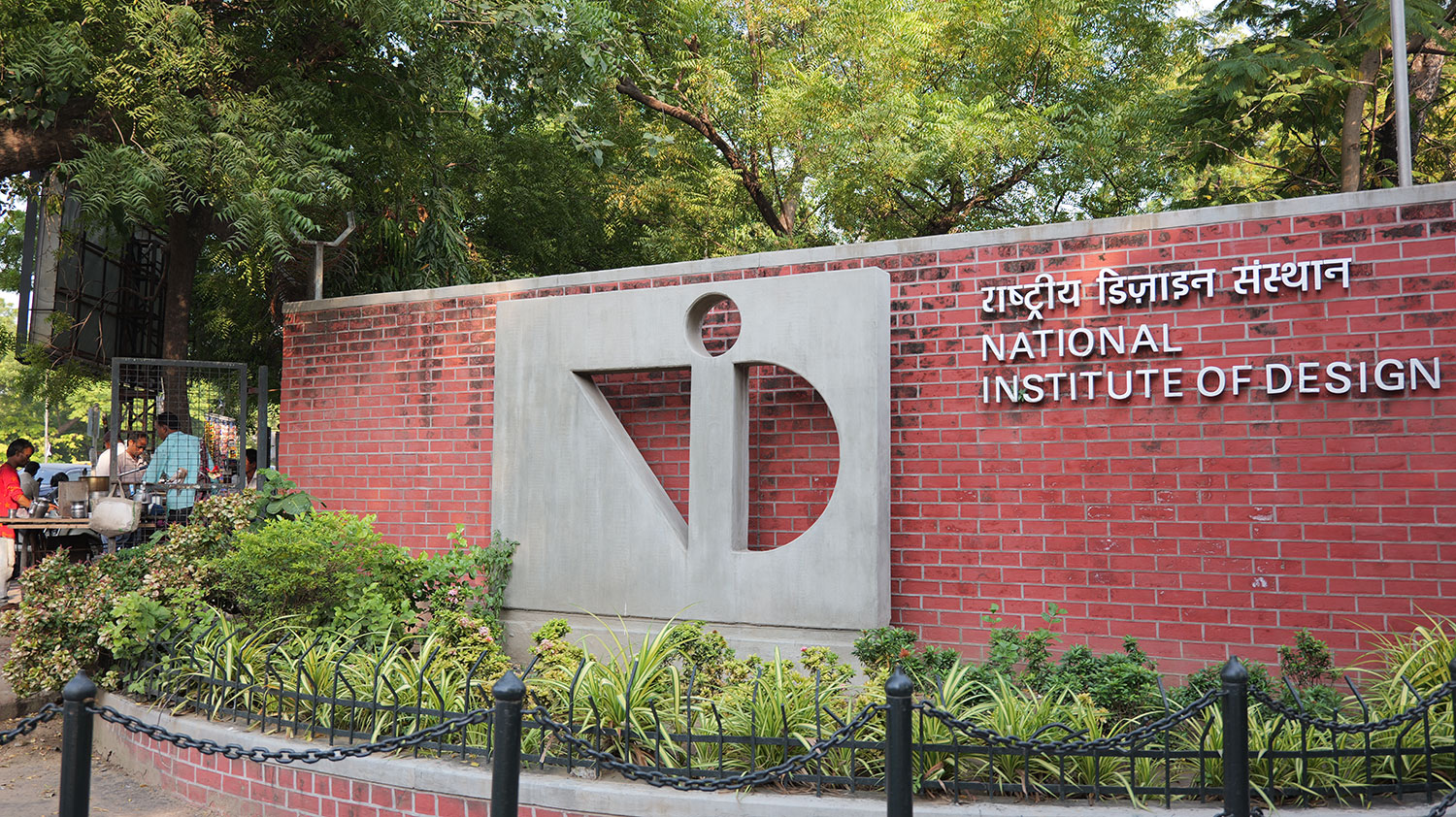
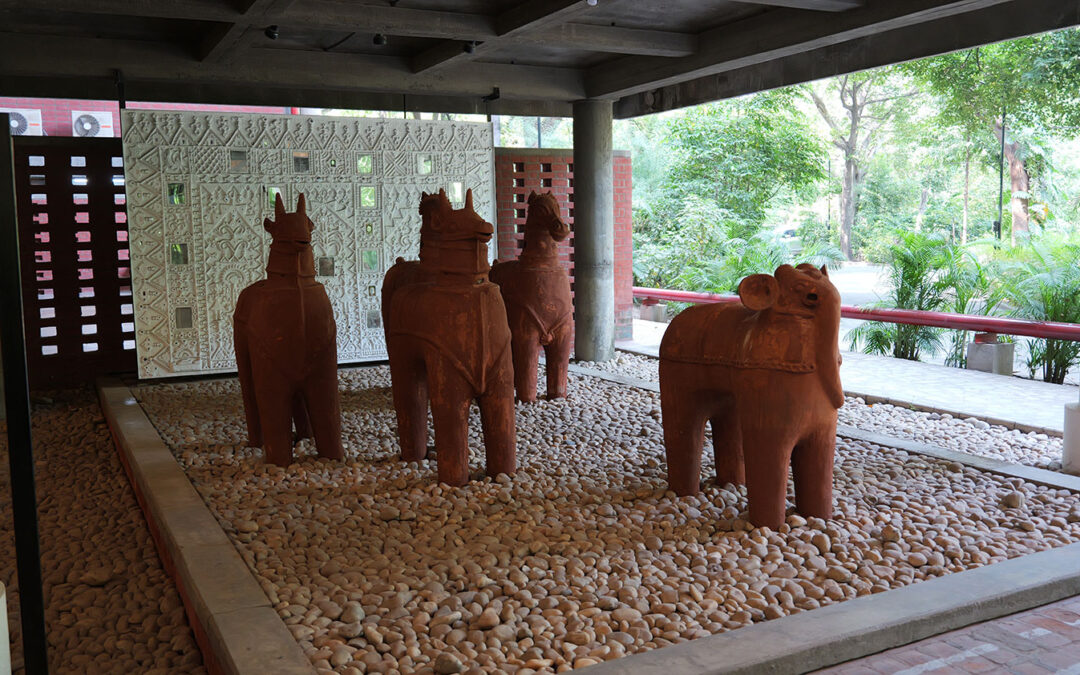
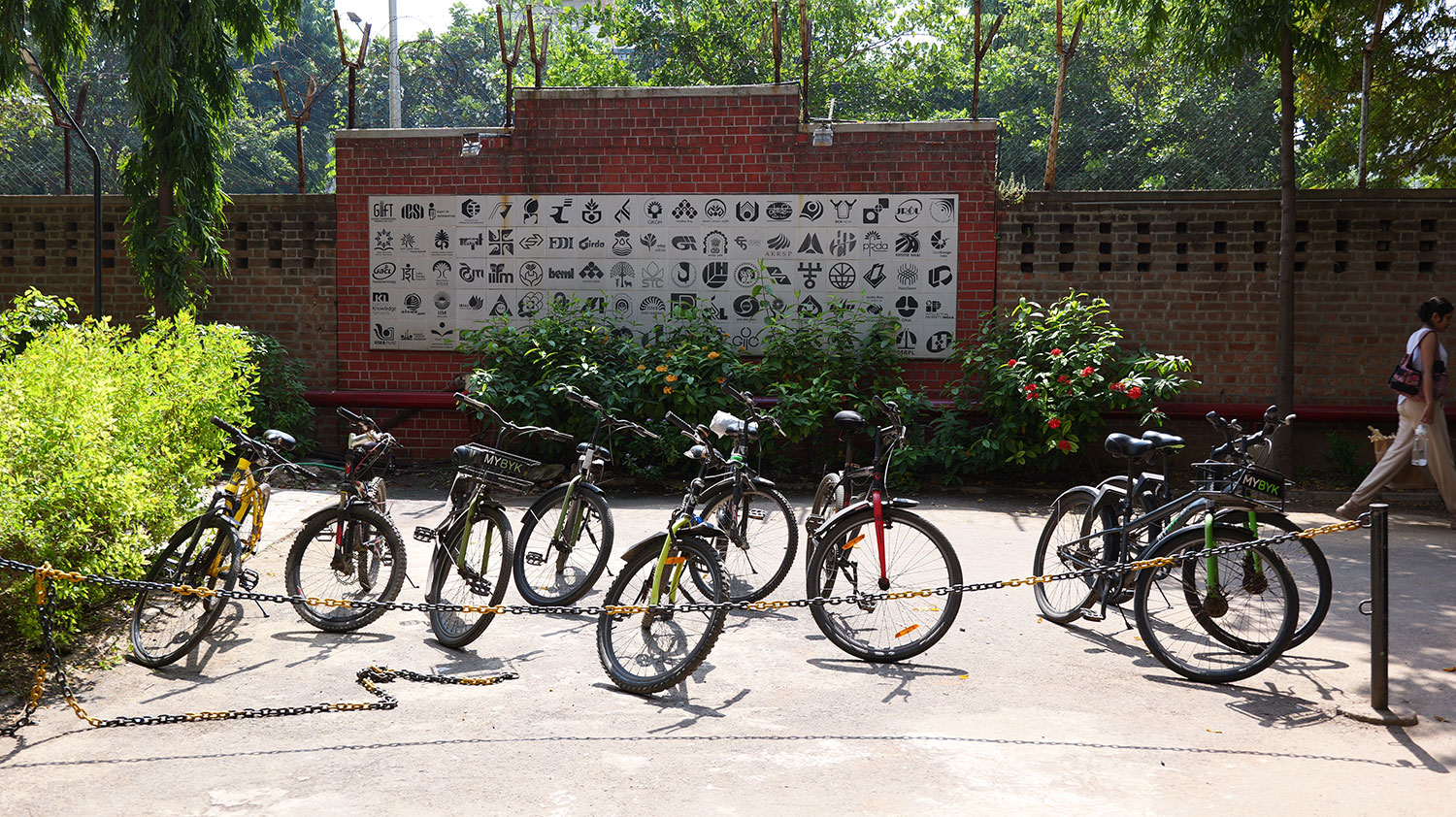
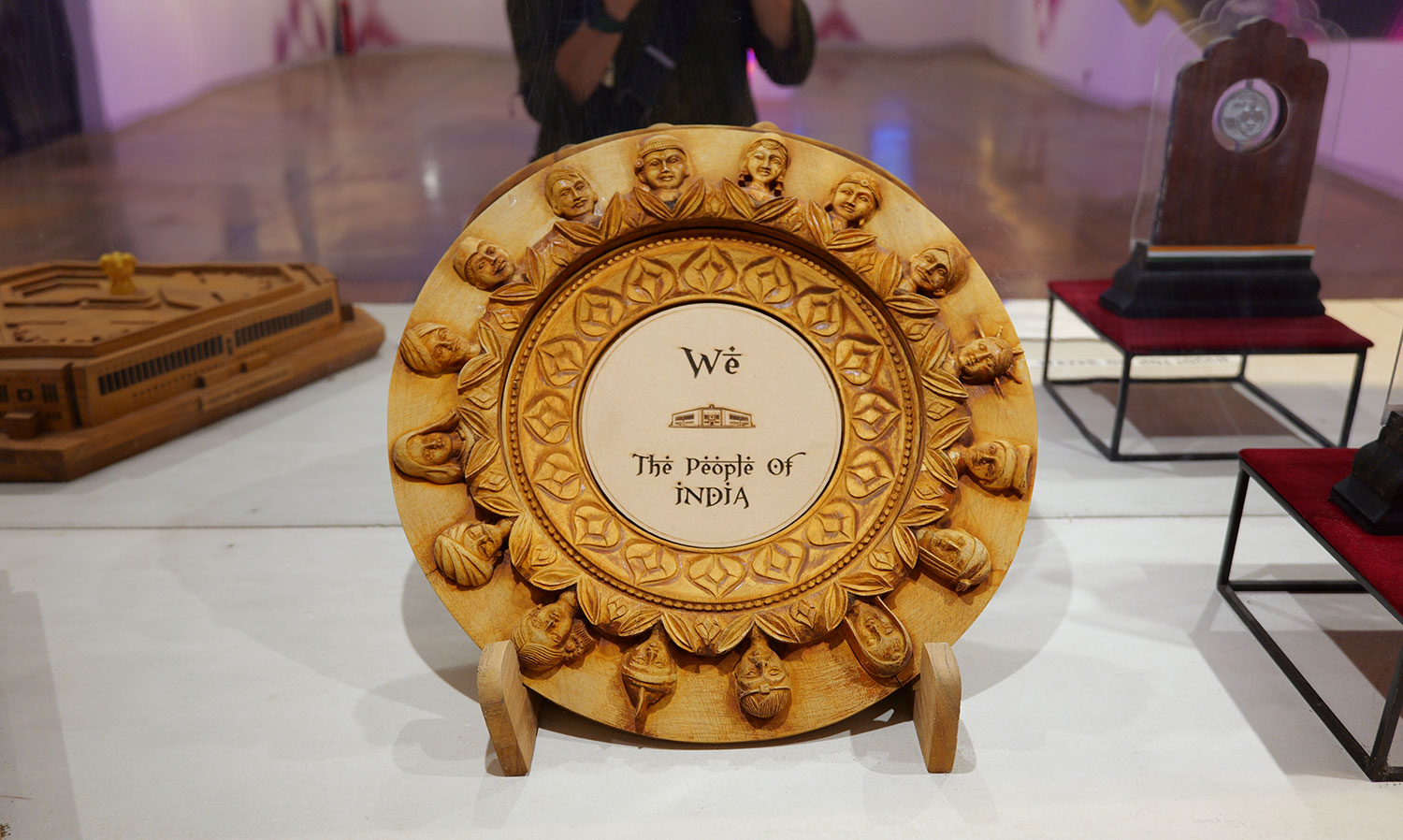
The NID is located in a city and area with a very warm climate. This might be part of the reason for the very open campus but it is also very purposefully designed to have a collaborative space and accessible, open classrooms. When you walk through you will see not only the classrooms and studios but you will see many different showcases for students to show their work. There is a case for each of the different areas that the students are responsible for maintaining and there are a couple of larger galleries that change what is displayed on an ongoing basis. One seems to be more to showcase all the best work of the school along with telling the story of NID, the other shows a themed area for work—the exhibit currently in that space were teak chairs that the students had designed. The space and the different work was very impressive, as you will see, and I only wish my place of work had the same way to show our students work and to have them more responsible for it. There were places for students and visitors to hang along with a cafe outside. There was also some outside buildings for traditional crafts to be shown and a place to purchase former students work.
The Conversation
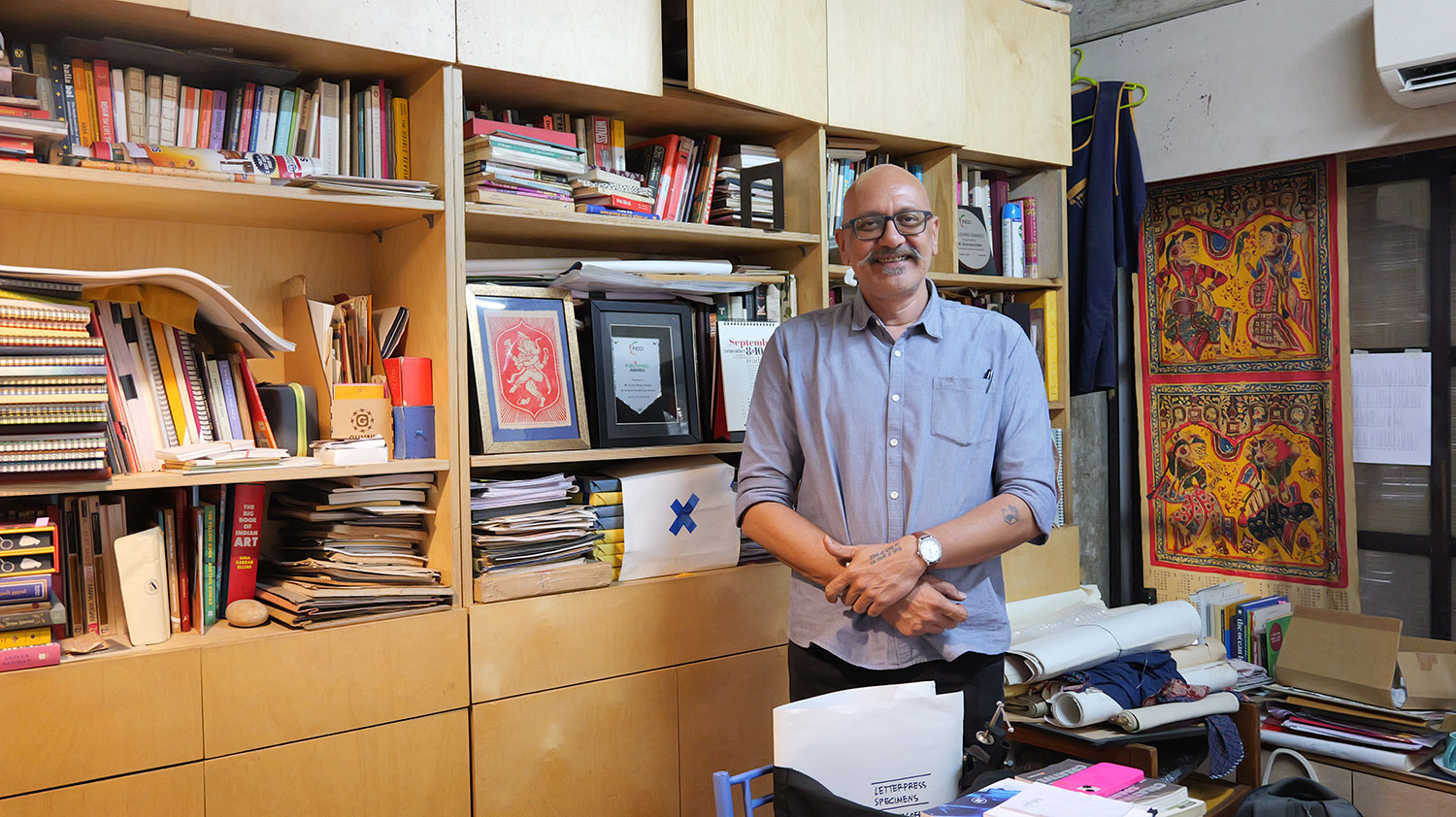
Along with being shown around campus, I spent time talking with a few different folks. Samir More, the principle administrator of the school, Gautami Sangle, director of International Studies, Tarun Deep Girdher and Jagadish Kumar from Communications Studies. I wanted to just get a general feel for the school but I also wanted to get a sense of the difference in education and in how the instructors felt design in general was different in India.
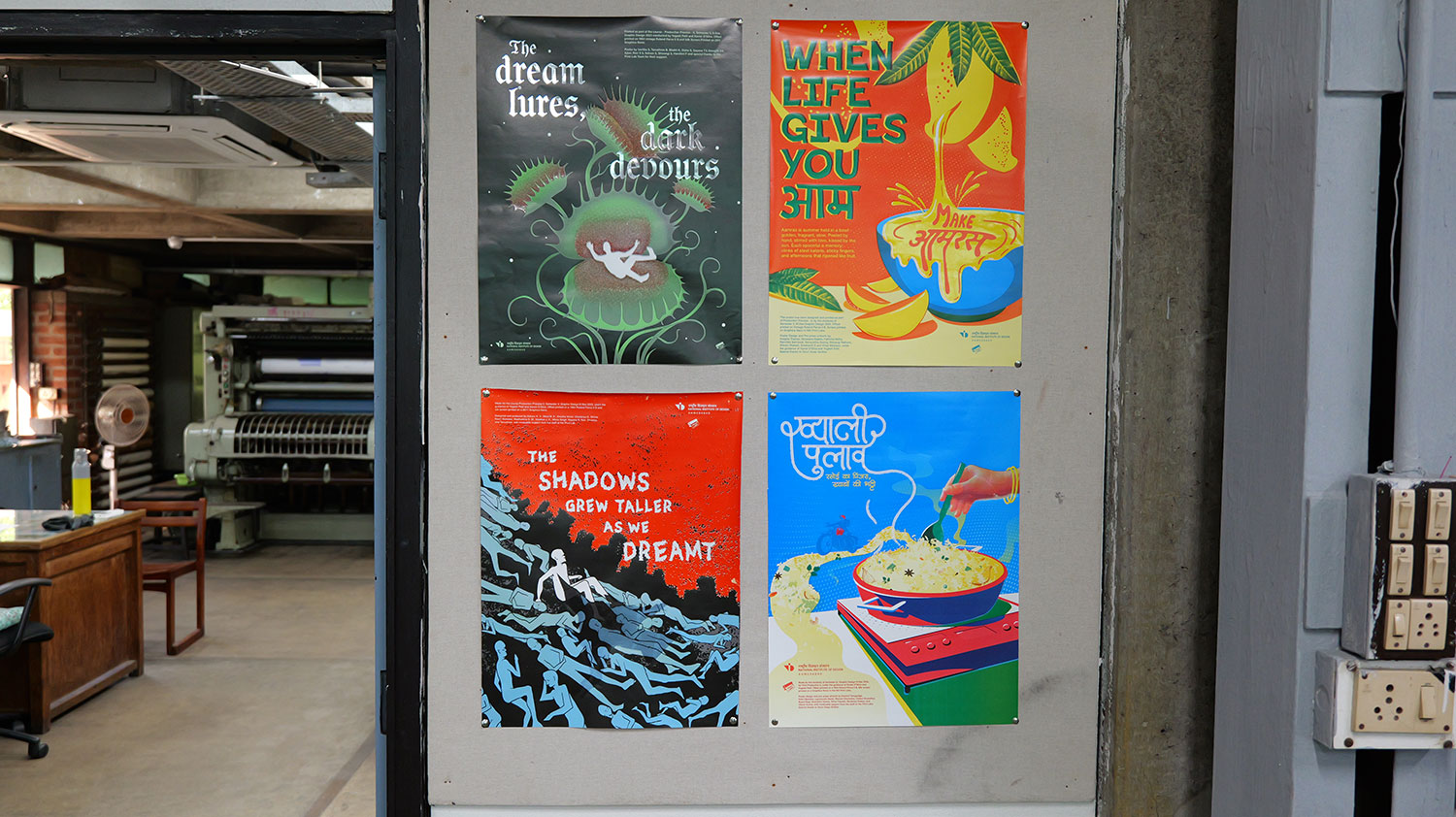
After my conversation with Toran Deep and Jagadish there were a few ideas about Indian design that stuck out to me. The first is about the general aesthetic which Tarun Deep said could be considered maximalist much of the time. His explanation for that was that Indians, in many parts of their lives had to make the most of small spaces. This made perfect sense to me as at that point what came to mind was the roads and the amount of traffic, the amount of people and the need for space for living, the many small shops that are pushed into the markets and then filled to capacity with what they are selling the food on your plate, esp. something like Thali. Many of the posters and billboards I saw in general spaces were like this as well with many colors, many words translated into different languages, and imagery that would be decorative and colorful as well as informational imagery like imagees of people or products. The decorative elements did many times reference religious symbology, like the gods or the symbols of Hinduism.
That brought me to a question: Since religion is very deeply embedded in the Indian culture (about 60% of the population is Hindu) were the symbols, colors, etc. prevelant in the design. The question definitely made them think about it more and it garnered a couple of different responses. One, was that, yes, religion did play a big role in design, esp. the design that people bought for the many holidays celebrated in their homes. Sometimes those elements are
more permanent, like the decorative doorways that adorn each home, others were more specific to the holidays, like Diwali or Holi. Color, of course, plays a big role in the second one. This idea, of course, is not that different from the U.S. and their decorations for Christmas and other holidays. However, again, I did see that the symbols and ideas did make their way into other every day design. The other thing is that I saw some religious symbology subtly reflected in more contemporary type designs, like the special Diwali version of Jack Daniels. Makes sense.
The second thing that was brought up was the idea of kitcsh art being used in design. That, again just like the U.S. when students lean more on the imagery they know or have seen a lot and maybe in this case it is that religious symbology. There was a little bigger discussion of the unique colors of India and the patterns many of which come from nature. The colors reference spices…saffron, tumeric and the natural stones that used to make the colors like the aquamarine/indigo. There was also the discussion of the meaning behind some colors that are different, like white being used for widows and people who have given up everything at the end of their life. Spirituality and the symbolism that goes with it is a part of Indian design but that too is changing with the generations, maybe becoming a bit more contemporary and made with synthetic materials rather than natural.
A few final takeaways are that of the students, in their foundations year, doing that study in the village…again, that many of them are influenced by this as they go through their educational experience and come back to it in their senior year. In their final year, they have to go out and work with an organization or company and produce a final senior body of work. Many of these students choose to work for non-profits or small village organizations and, even when they graduate they choose to create products that do help the people of India. In this sense, I would say that NID has maintained its vision for producing designers who will use their skills to make a difference for the people in India.
Go through the images below to see the campus, students and work of NID.