Sikh Museum Design and Temples of Punjab
Layers of Design at Virasat e Khalsa
A Rich Museum Experience
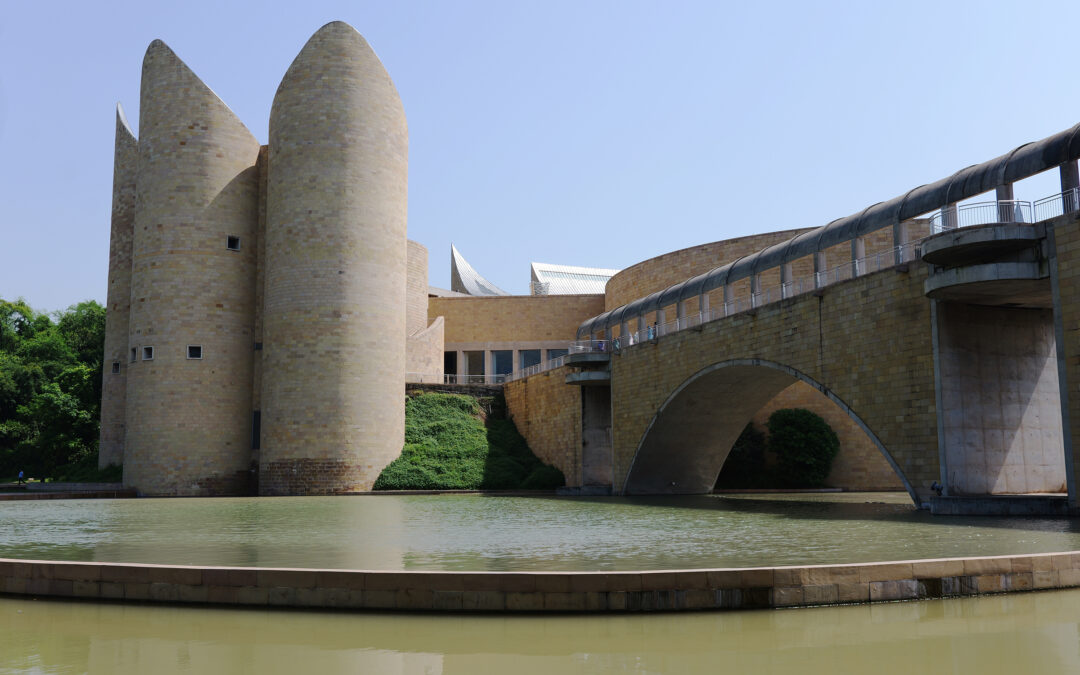
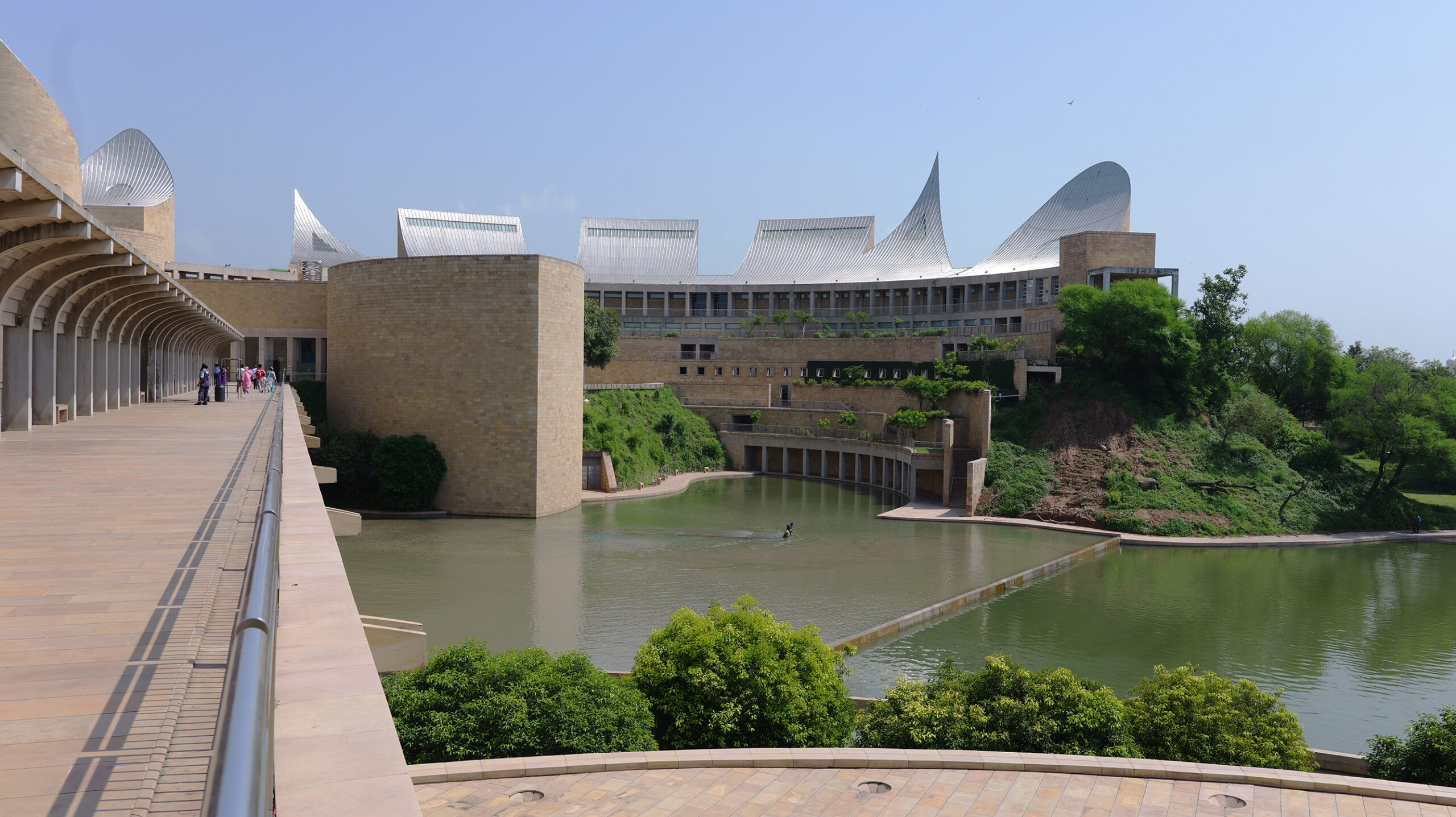
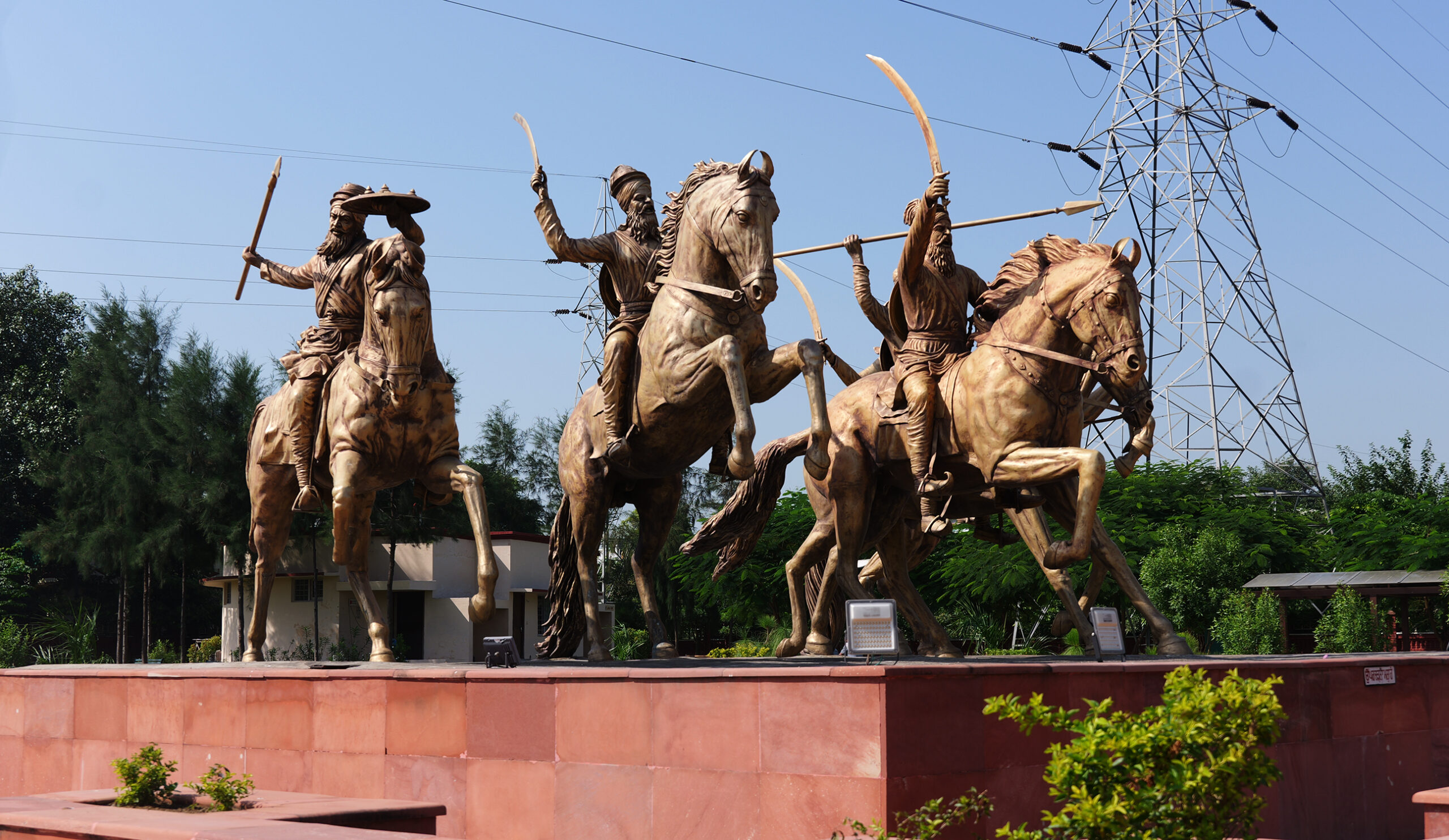
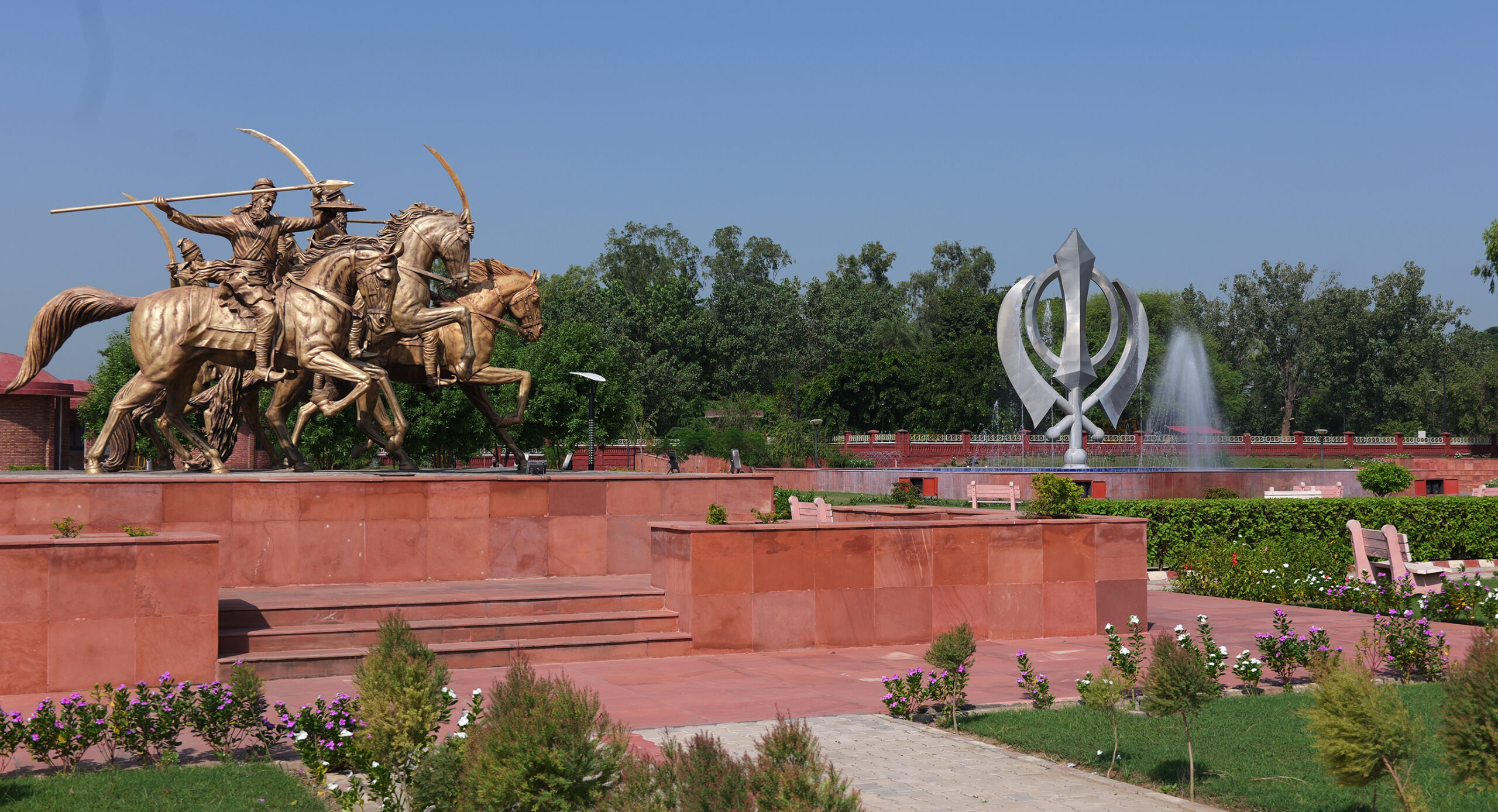
One of the designers and studios I visited in Delhi, Amardeep Behl and Design Habit, design exhibit spaces, many historical in nature, about Indian religion and culture. When in Chandigarh, we were lucky enough to be fairly near a couple of museums that Design Habit worked on. One was the Virasat e Khalsa and the other was the Dastaan e Shahadat both are museums devoted to the Sikh history and significant events in that history. The Virasat, with it’s unique combination of traditional and technological, was a rich and varied experience. The outside museum space was conceived by the Punjabi government in 1999 and designed by Israeli architect Moshe Sofdie. Sofdie approached the design by keeping in mind the community and the traditions of the area, as did Behl and his team. The structure has many different features including reflective water pools, silo-like structures and The roof of another building is a flower-like structure with five petals that depict the Panj Piaras of Guru Gobind Singh and the five tenets of the Sikh faith.
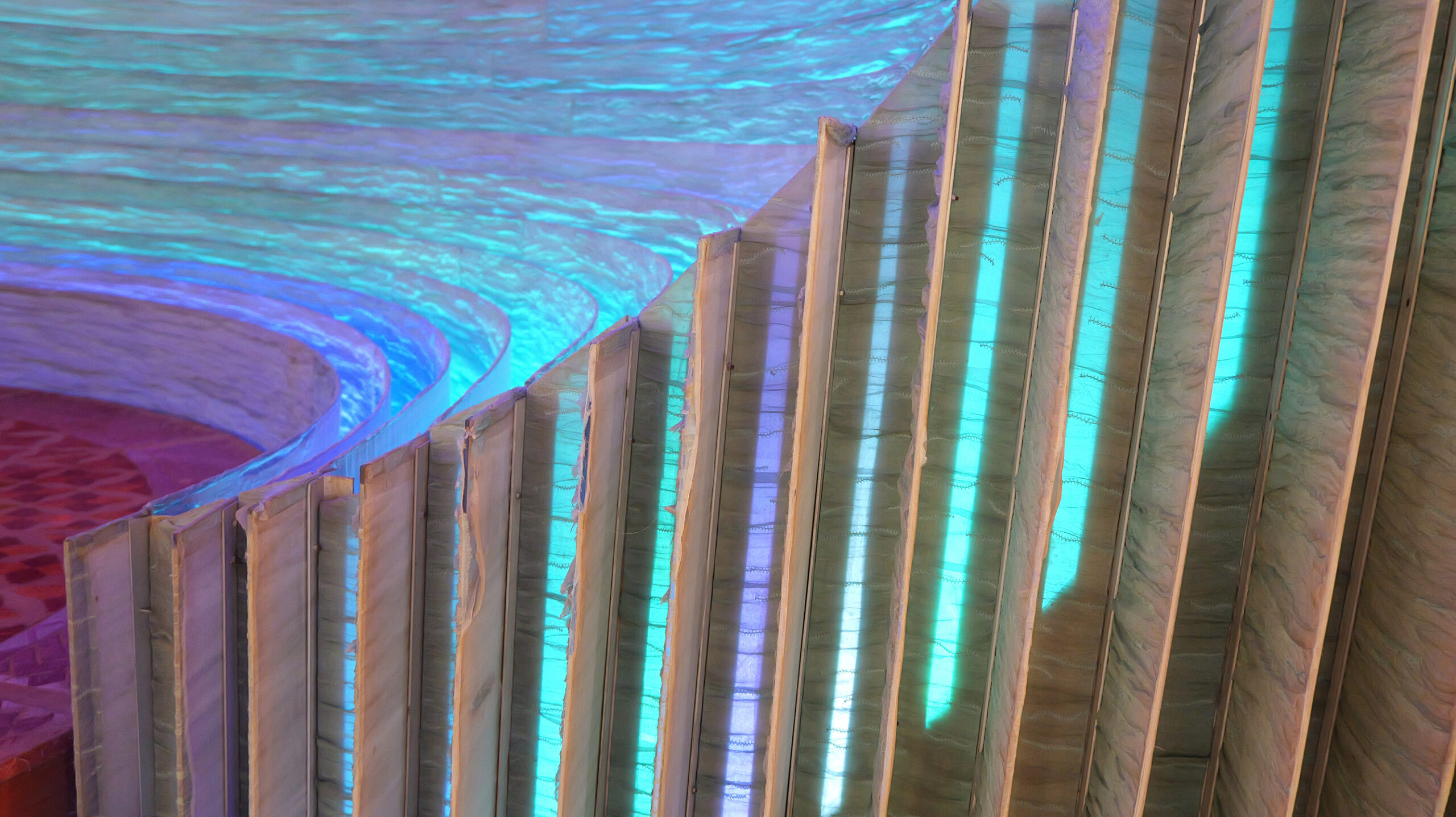
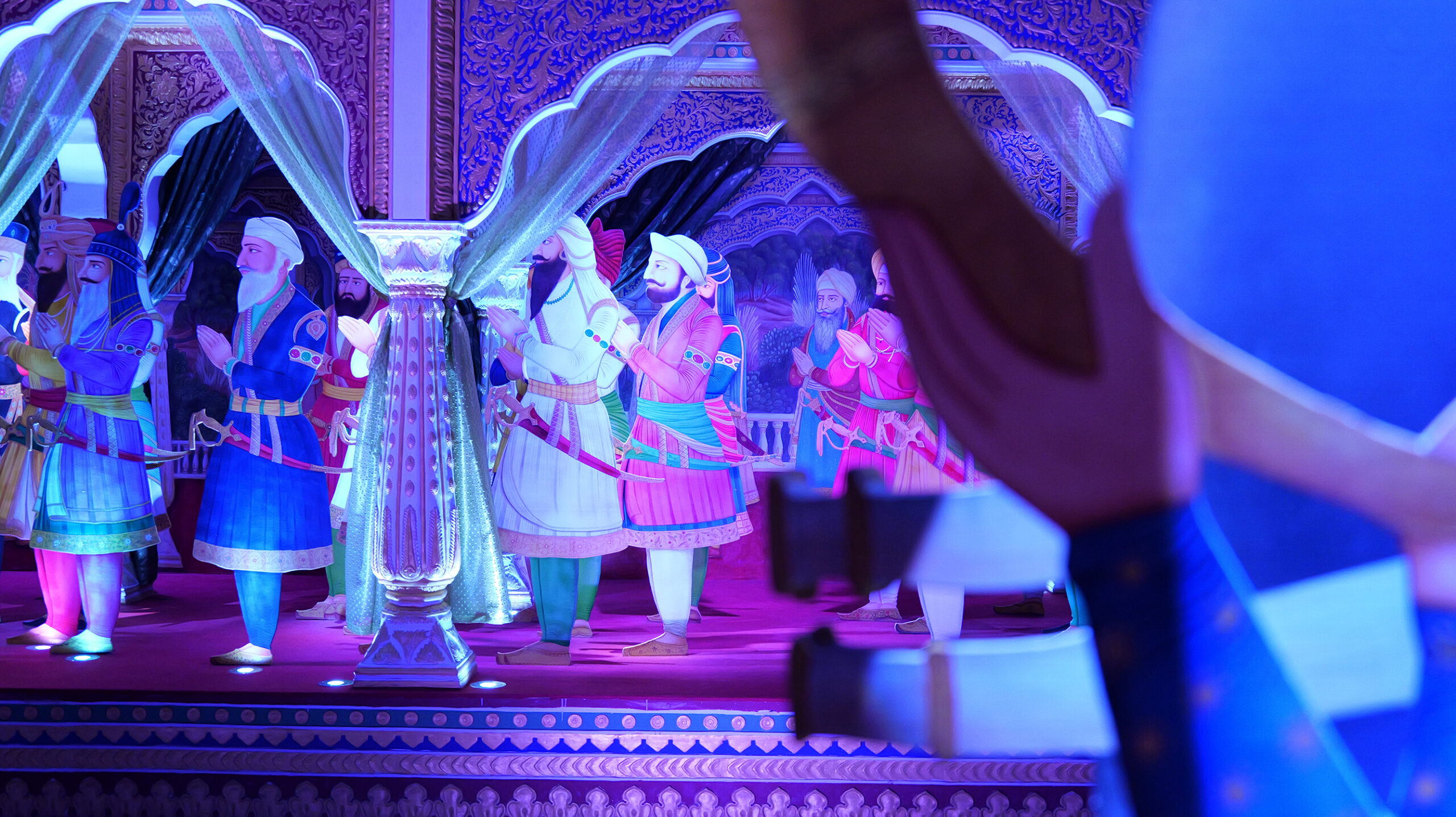
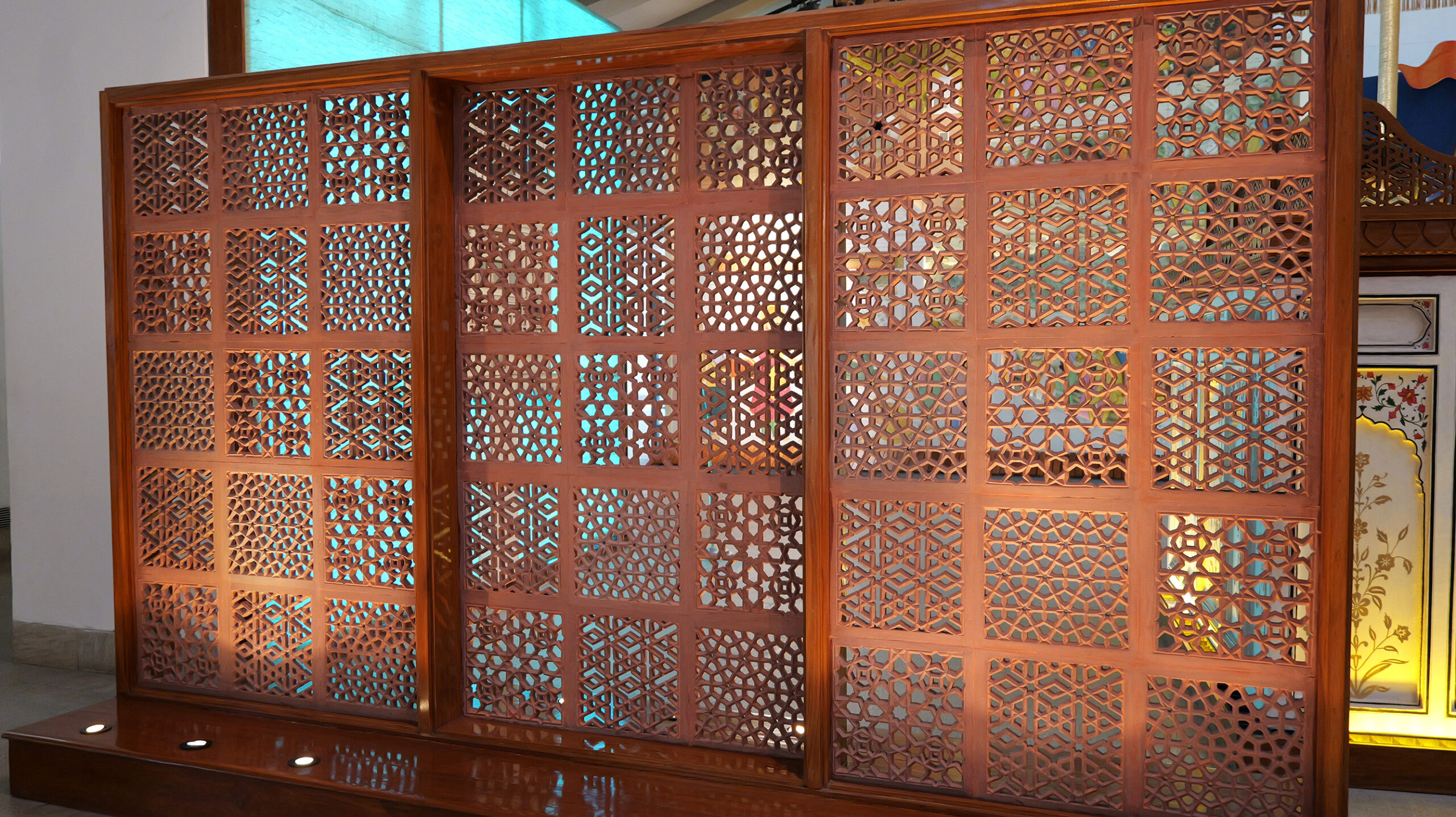
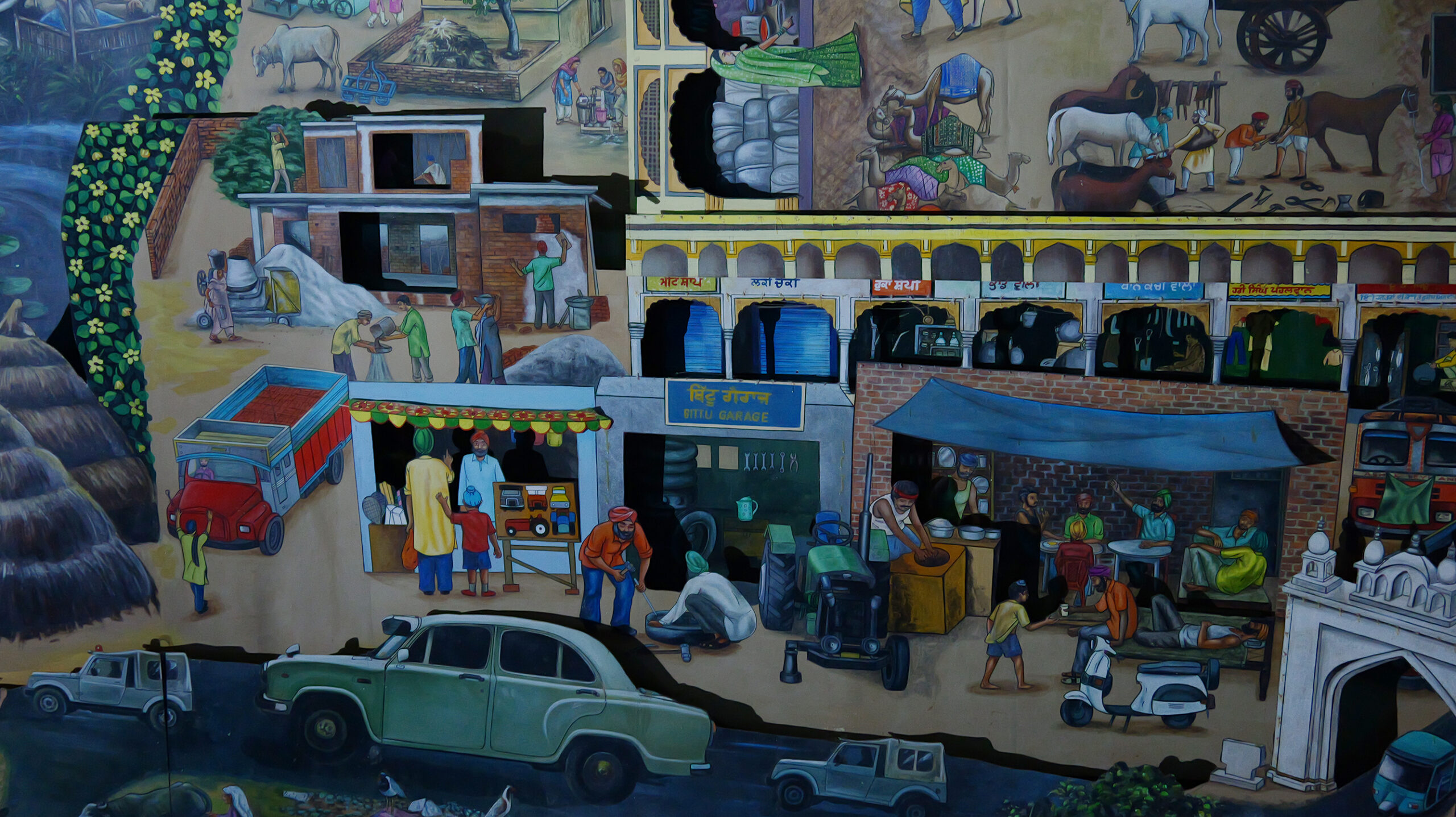
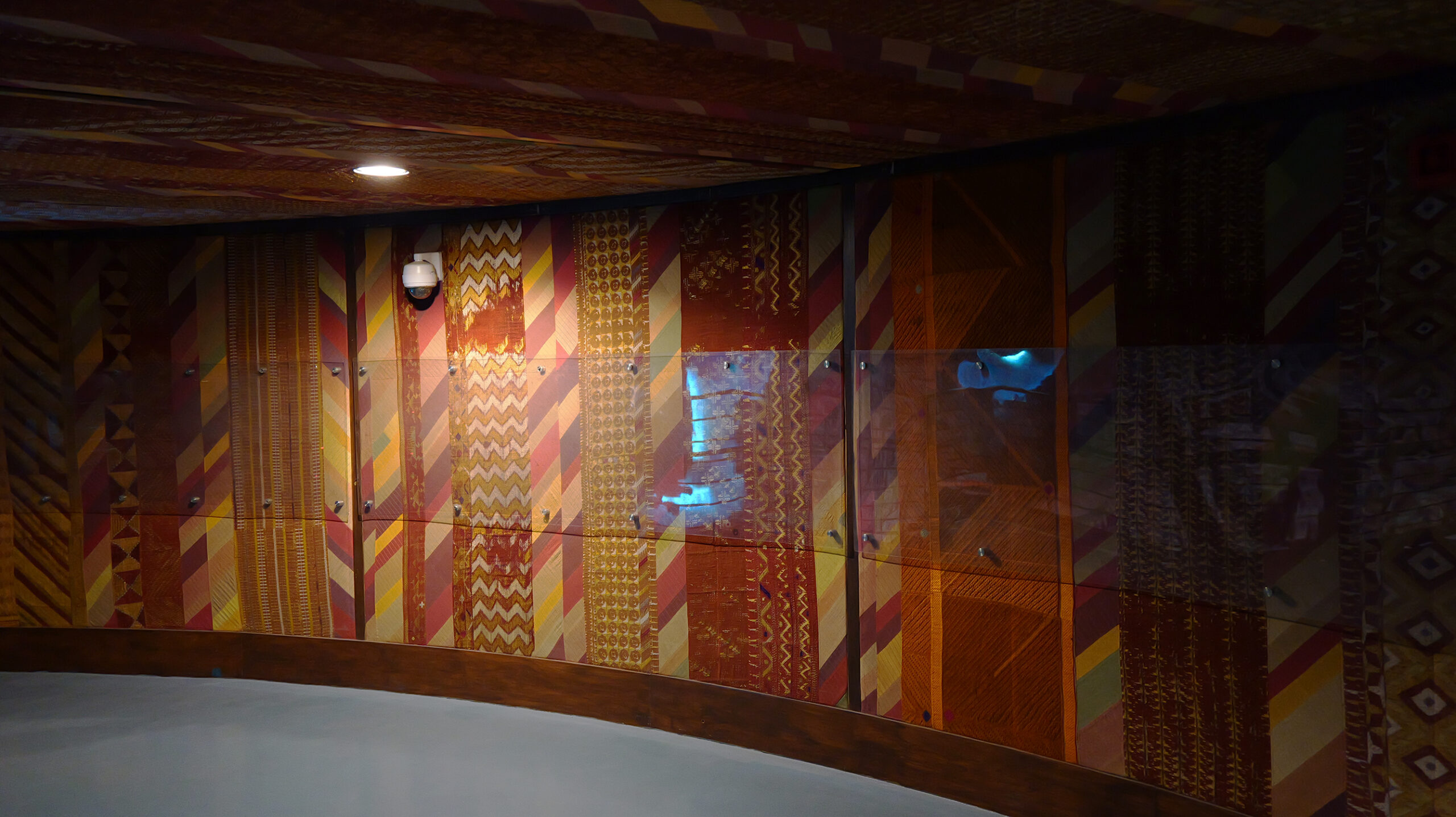
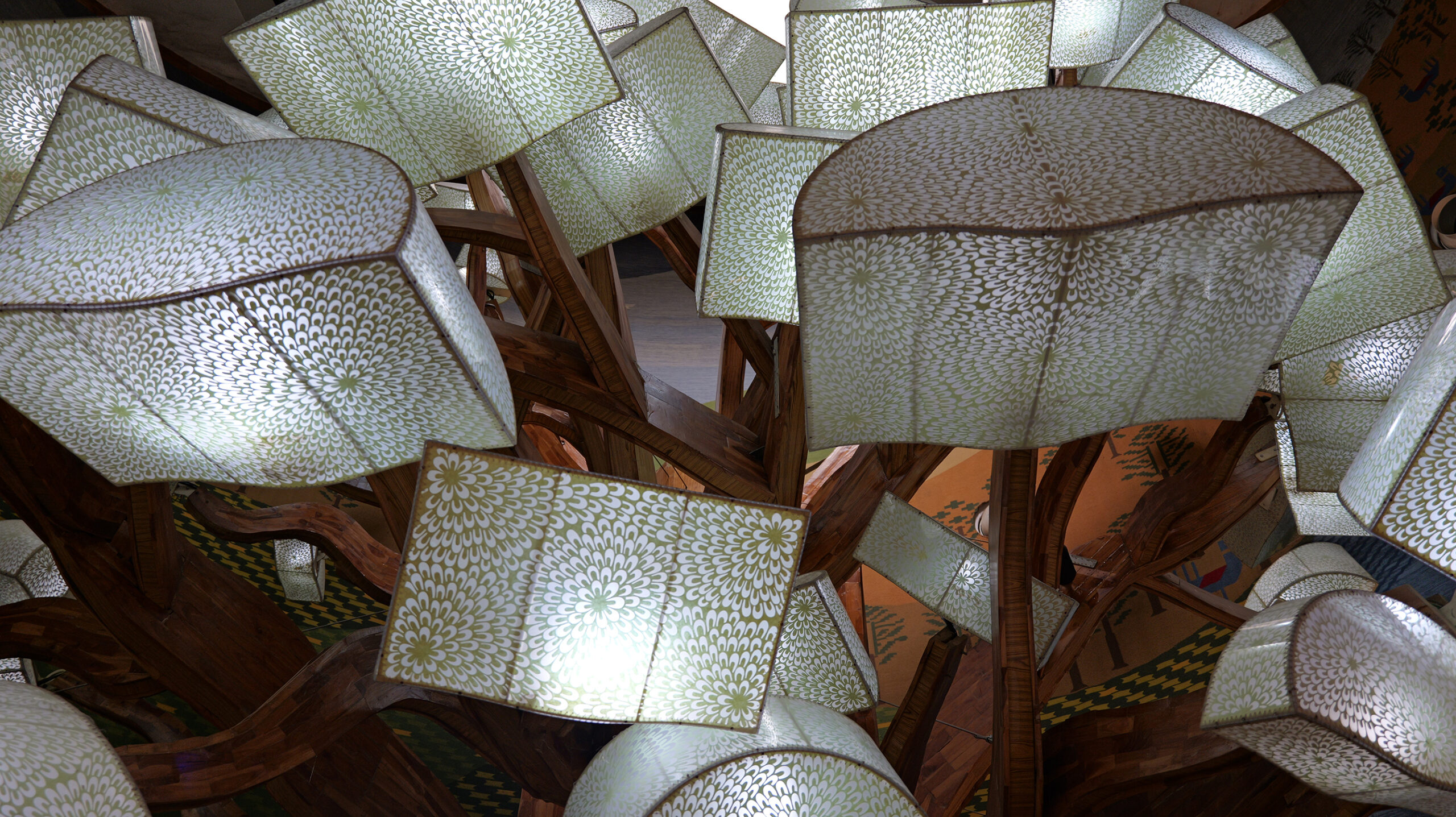
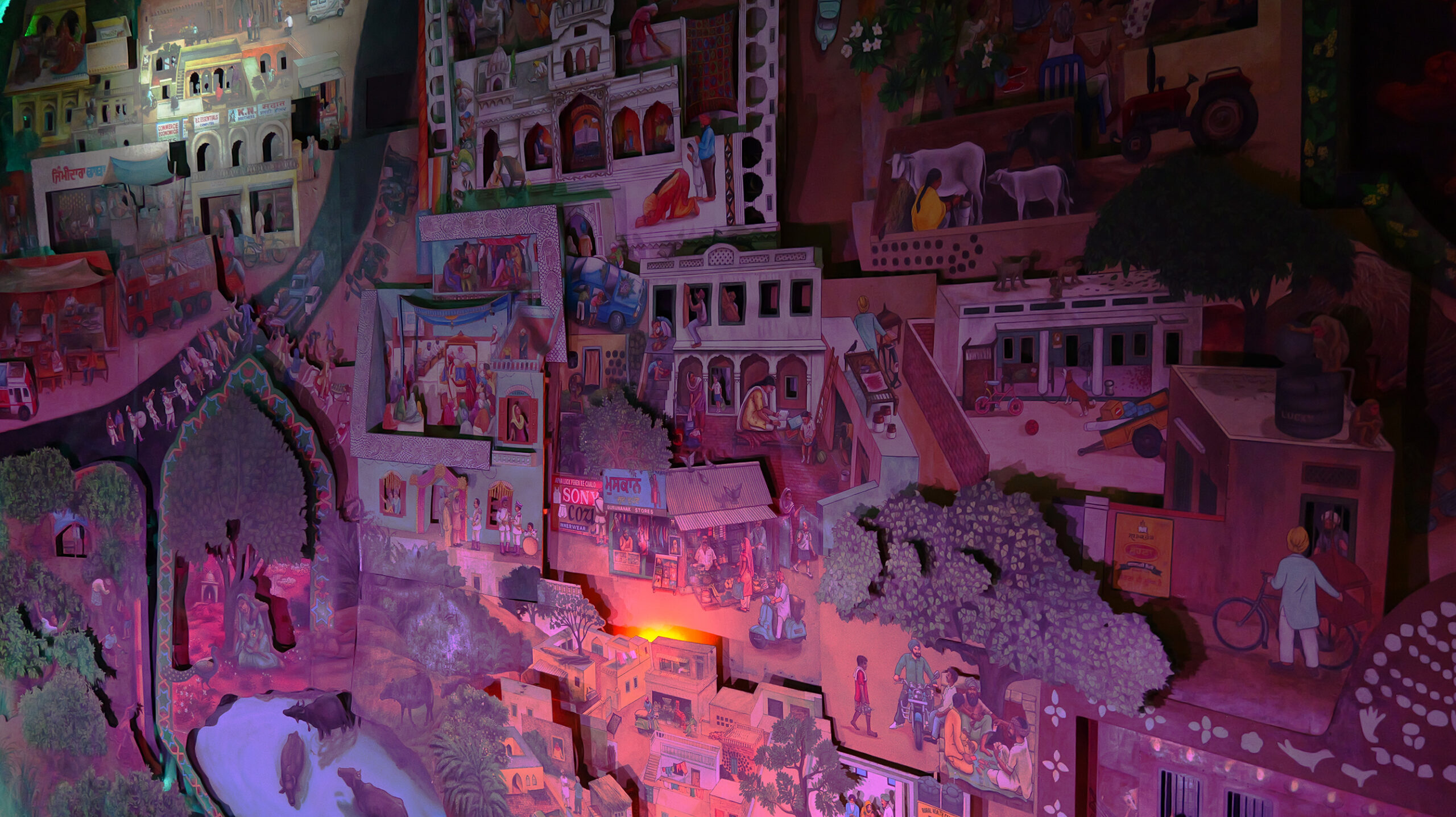
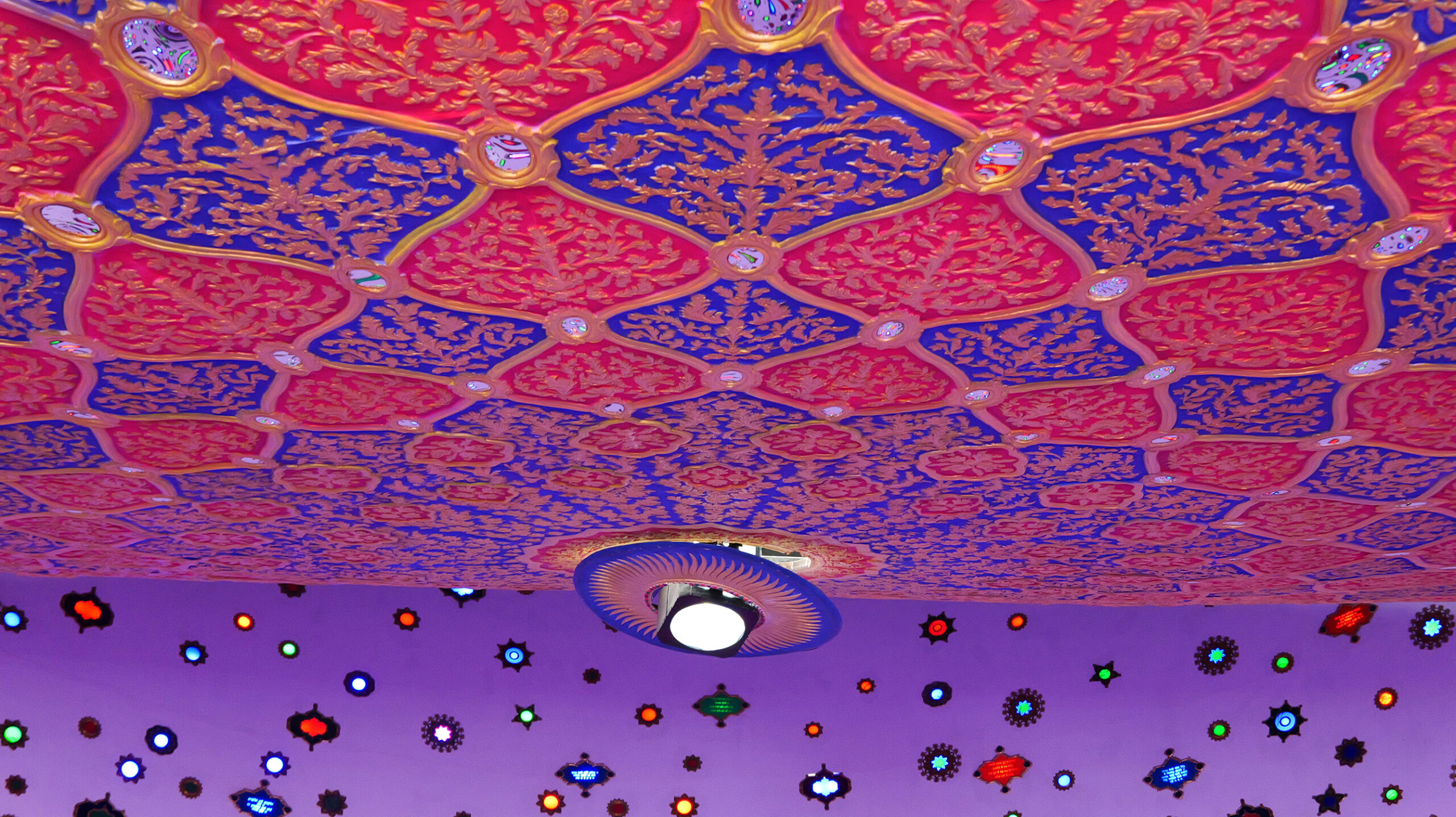
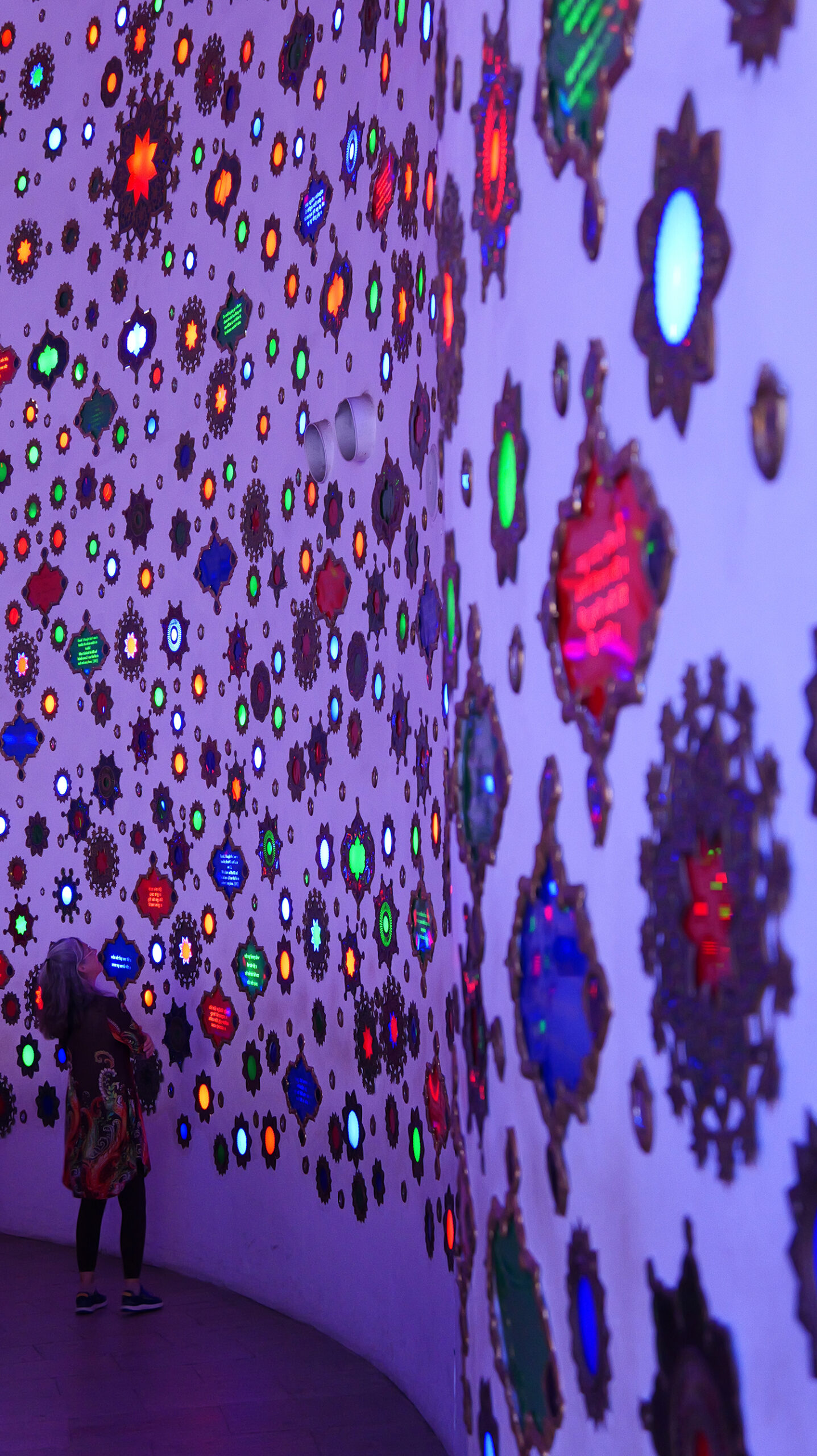
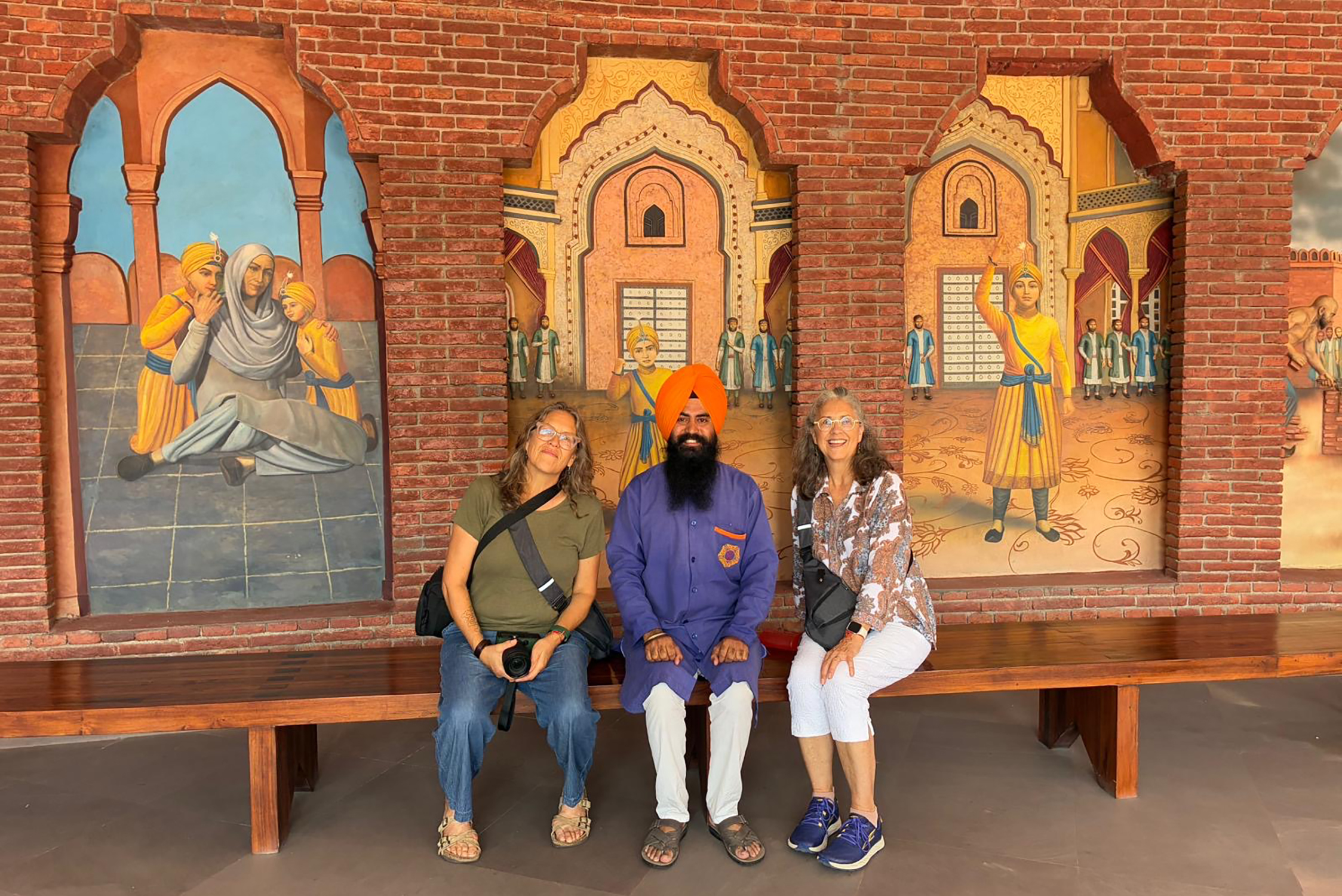
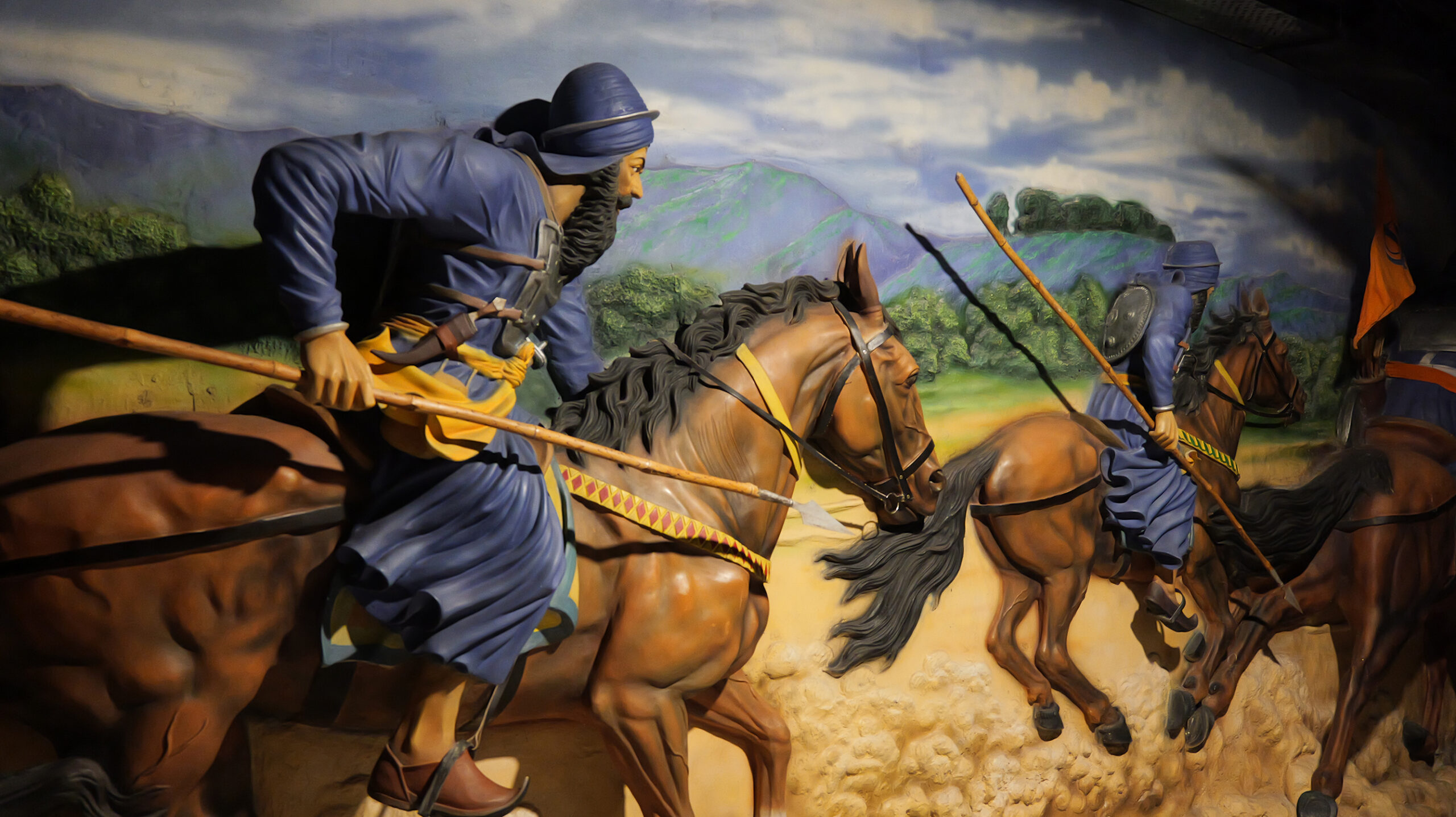
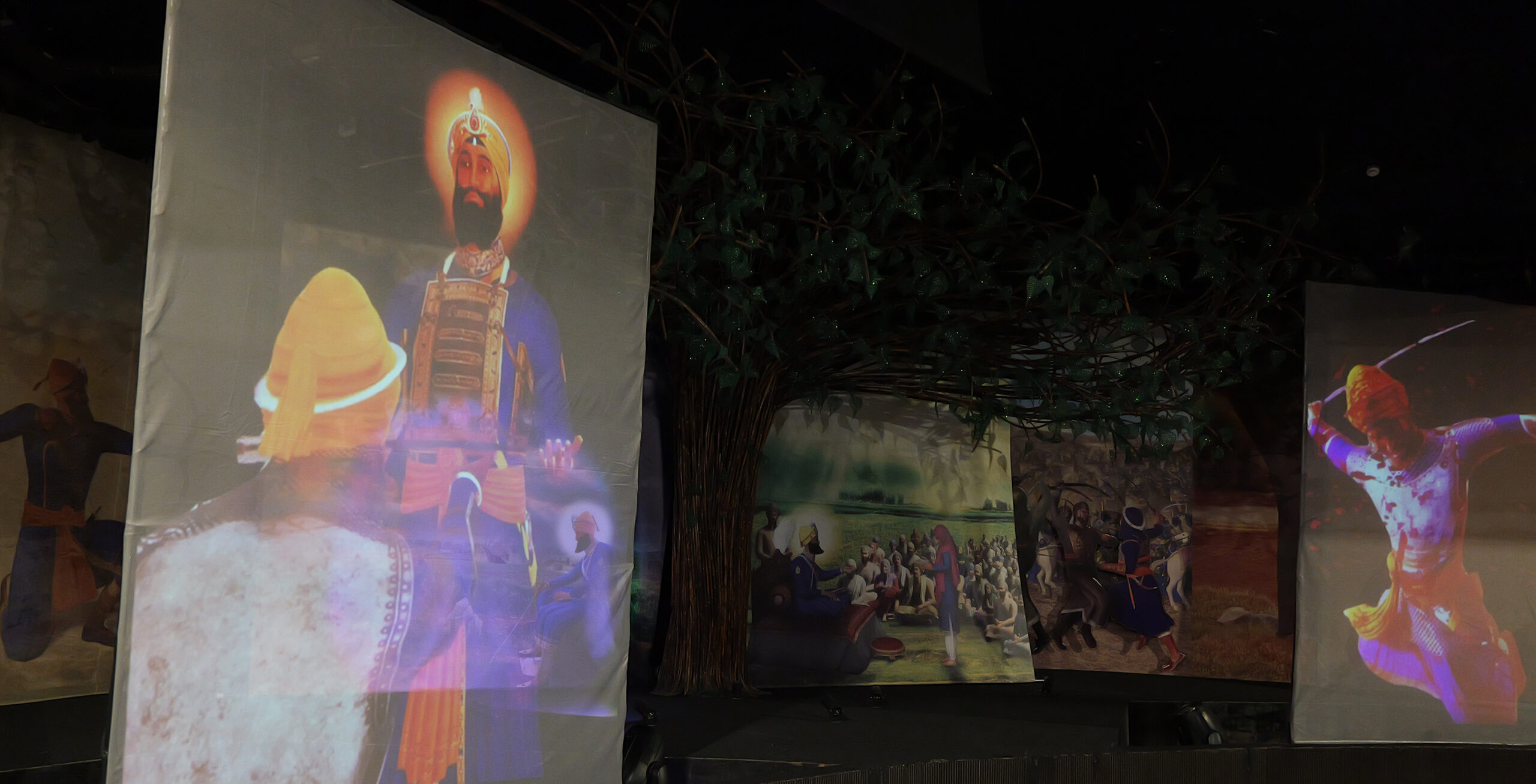
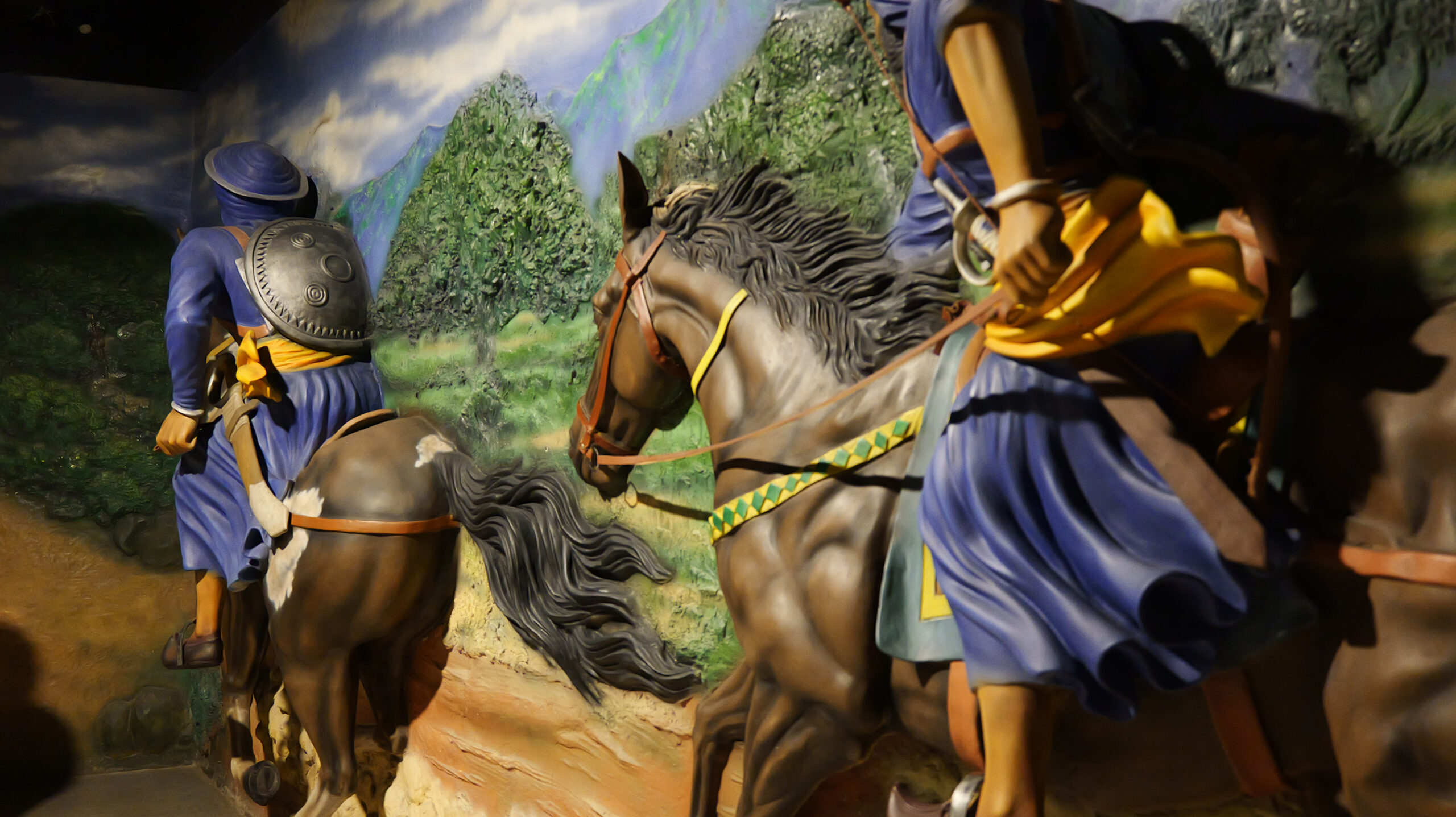
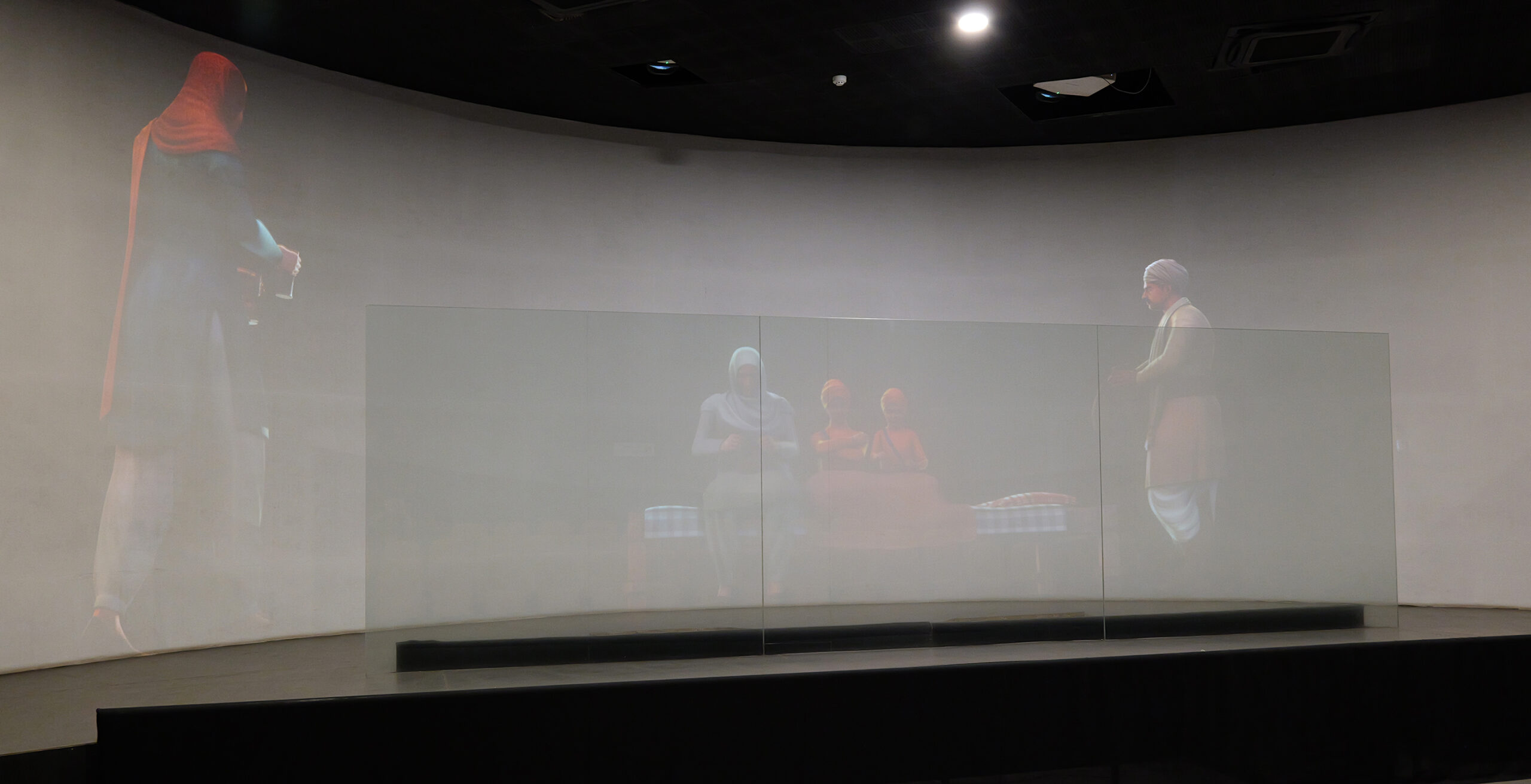
Behl and his team approach the inside of the museum, the experience, by first researching the history but also the various craft traditions of the different time periods. During our interview, Behl said that the design unfolded as he went. Much of the design in different areas uses different craft, paintings, woodwork, weavings, prints, etc. with added sounds, lights and animations added by the design team. You will see much of those various materials and technology in the images of the gallery.
Sikh Museum in Memory of the 10th and last Sikh Guru
Design Habit also designed the animations for this museum which tells the story of the sacrifices of the 10th and final human Sikh Guru, Guru Gobind Singh. A short version of this story is that Guru Gobind Singh took his two older sons and 40 soldiers into battle with an army of thousands of Moghuls knowing that he was sacrificing his family and soldiers for the protection of the Sikh community. He also lost his younger son, wife and other family members through this process but they were aware of this ultimate sacrifice. Of course there are many layers to this story but which the memorial museum captures. After walking the beautiful grounds and admiring the statuary, our guide Pardeep Singh took us through the 11 gallerys and, along the way, gave us the story and some information about the Sikh faith. When a Sikh you must have 5 things. You where a certain style of turban with a wooden comb in their hair, you must grown your beard in a certain style, you must wear a bracelet called the Kara as a reminder of God’s eternal nature, their connection to the community, and the need to act in accordance with the Guru’s teachings. They also must carry a daggar and wear special undergarments called Kachera. The three daily principles of Sikhi are truthful living, service to humanity, and devotion to God.
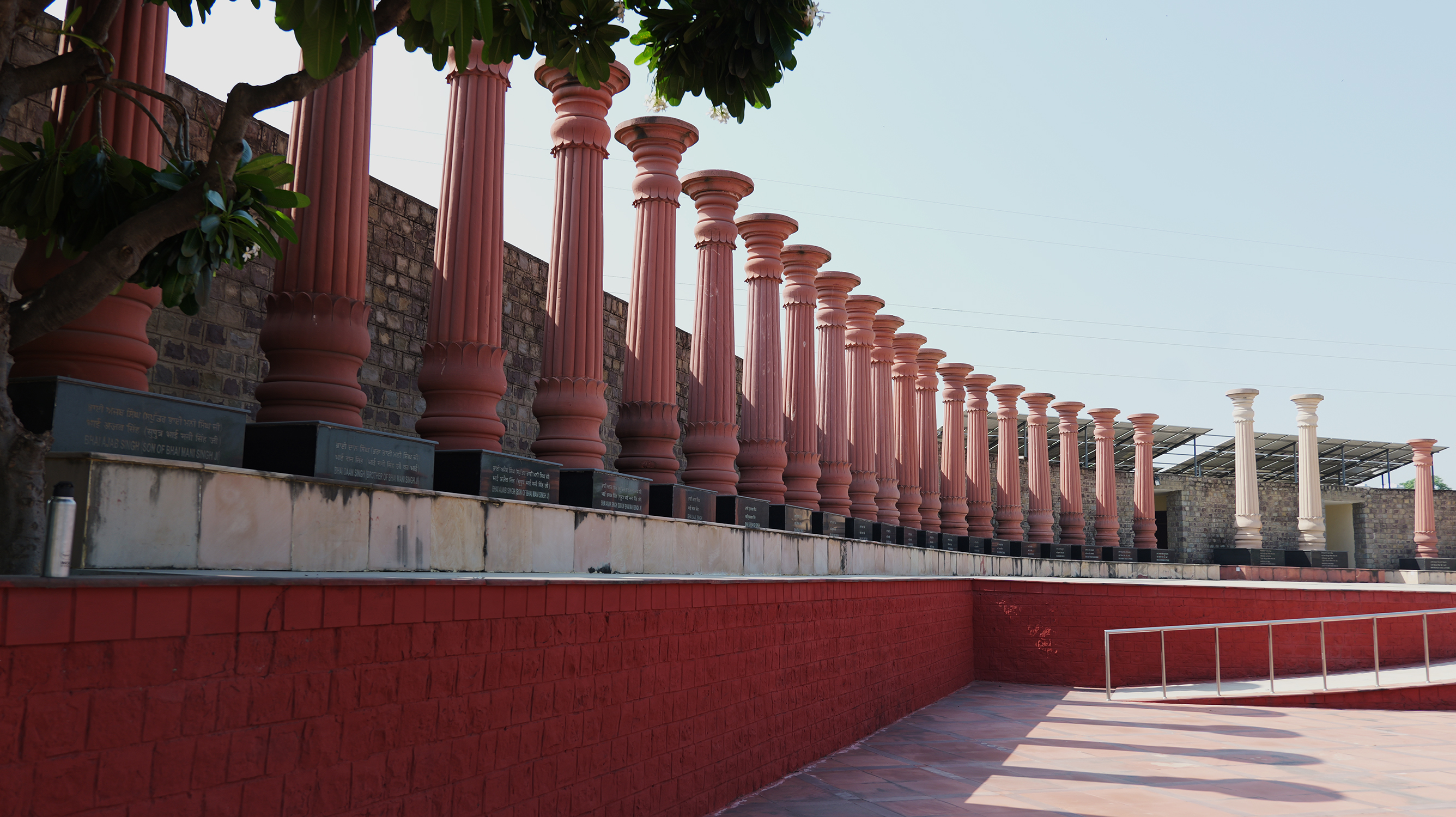
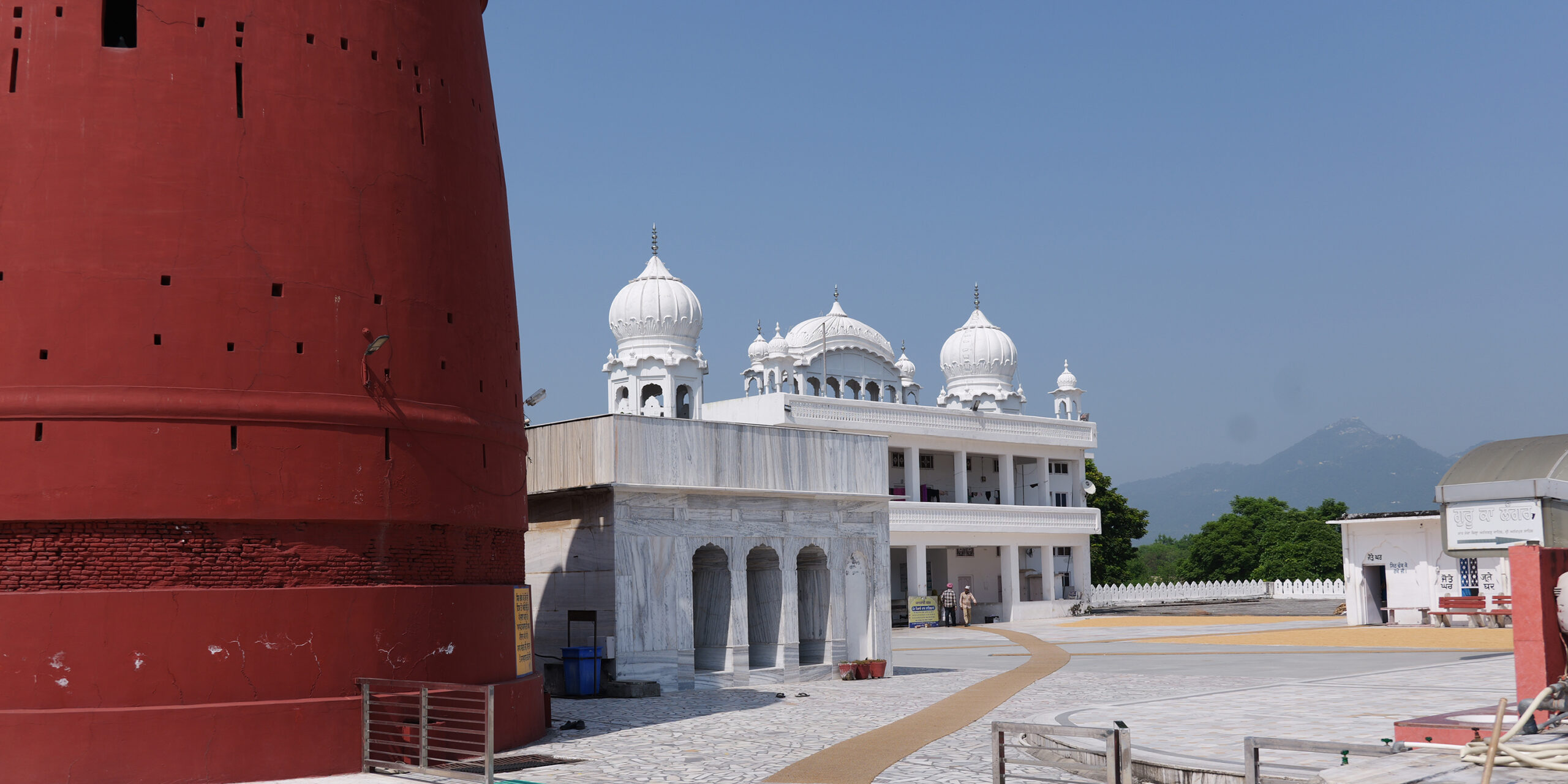
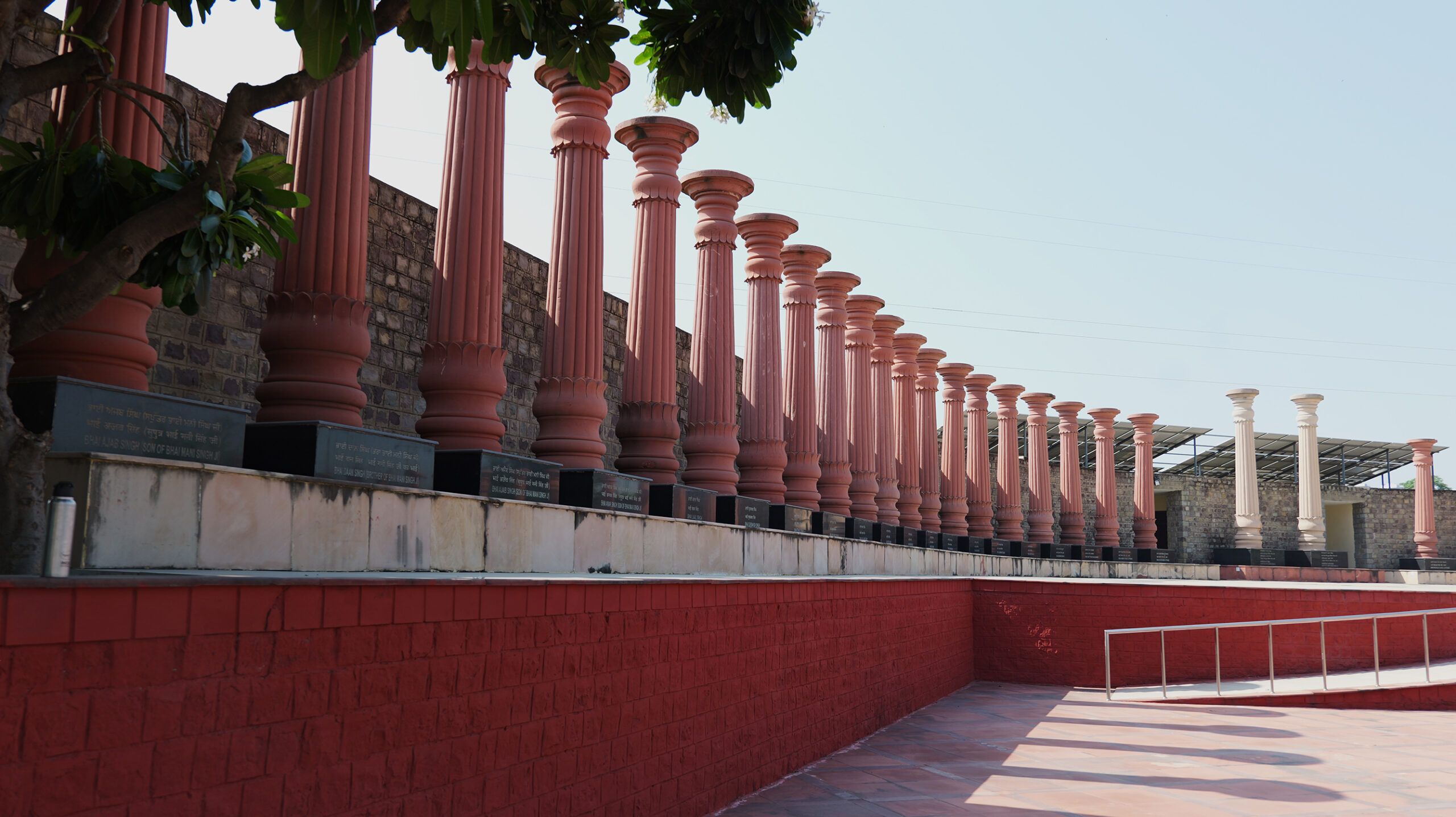
Above is an image of the memorial to the soldiers who died in the battle of Gobind Singh against the moghuls. There are 40 red pillars for the soldiers and the two white in the middle represent the two sons of Guru Gobind Singh.
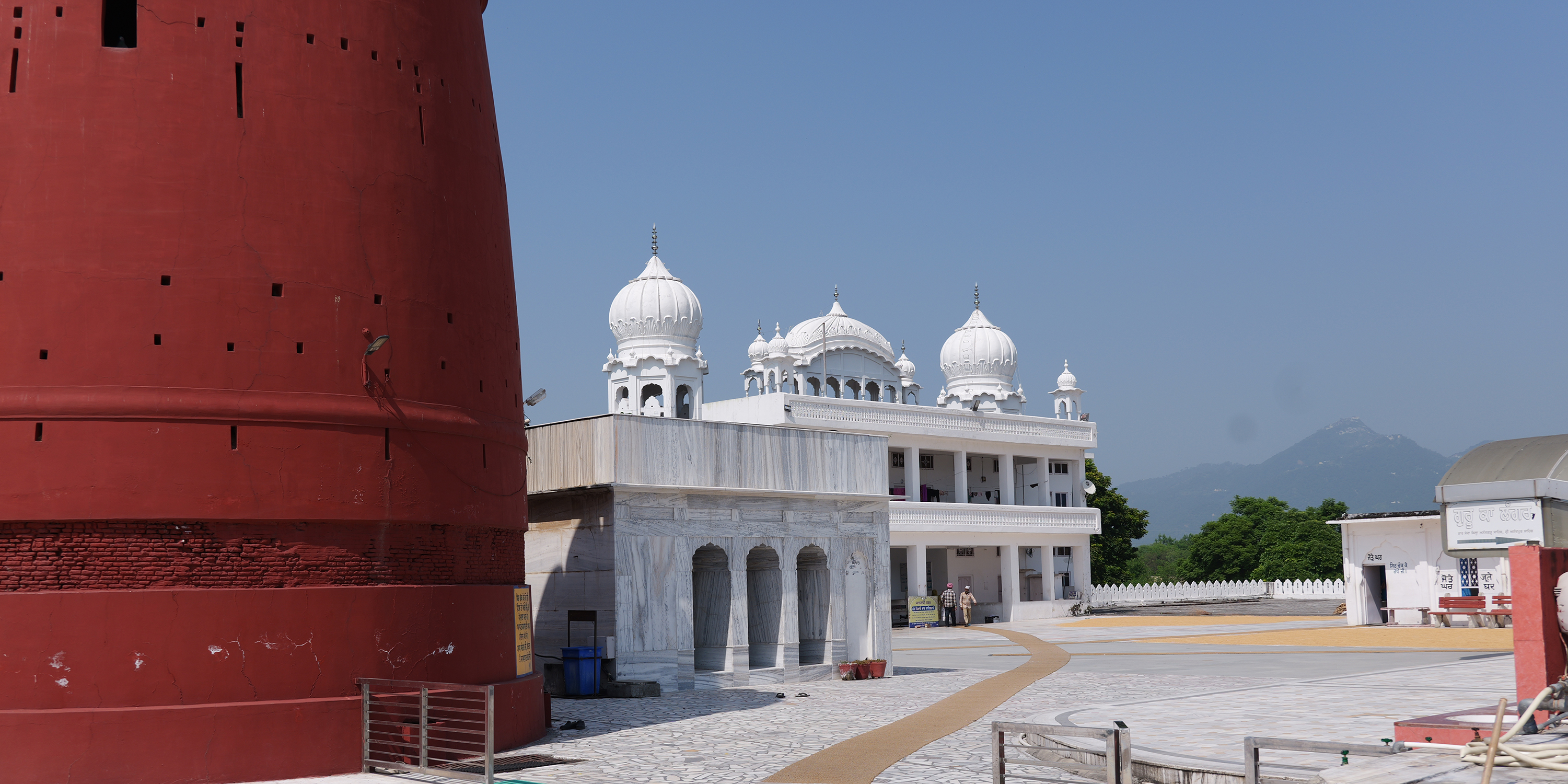
Click on first image below to go through the gallery of images below.
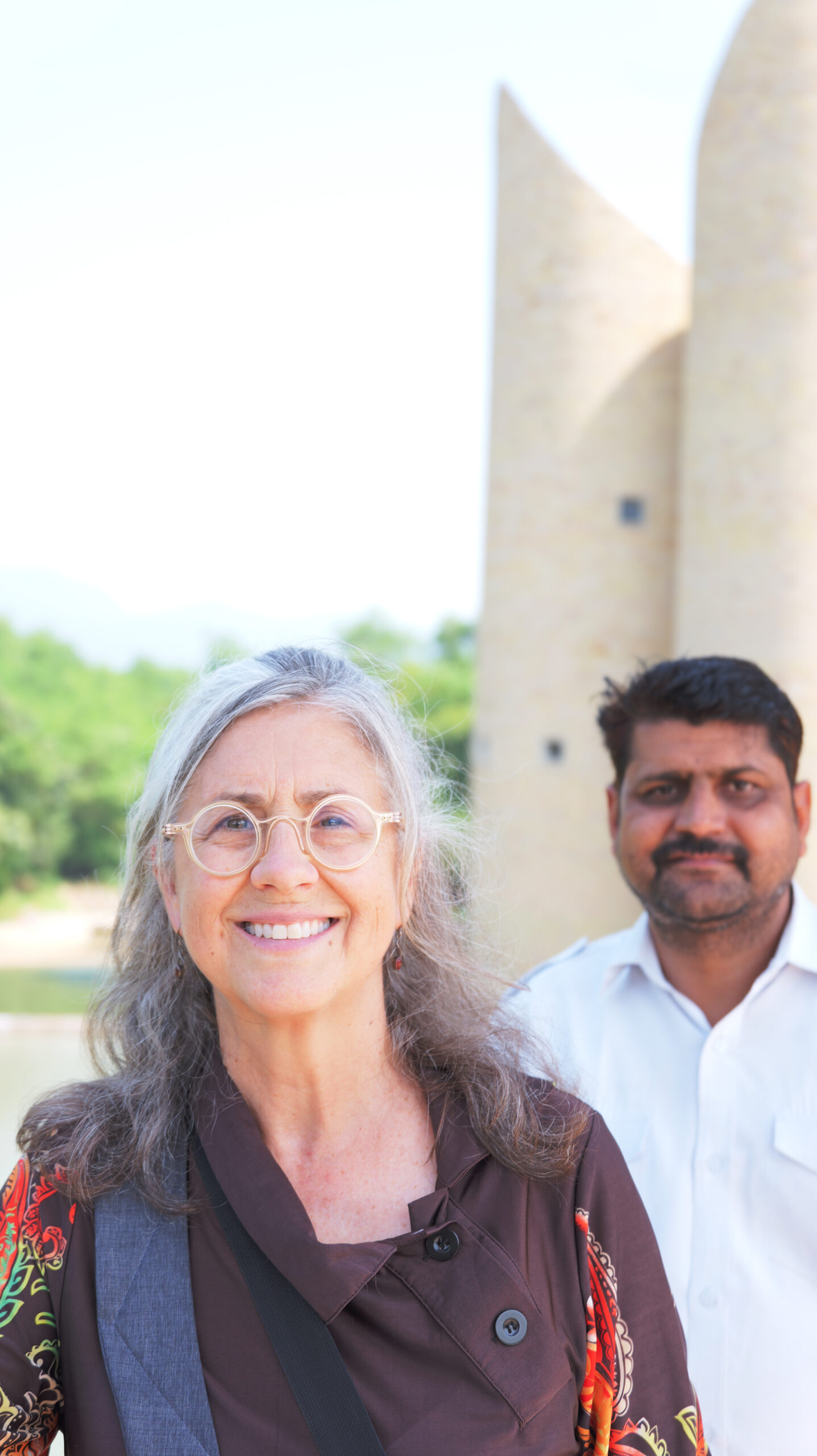
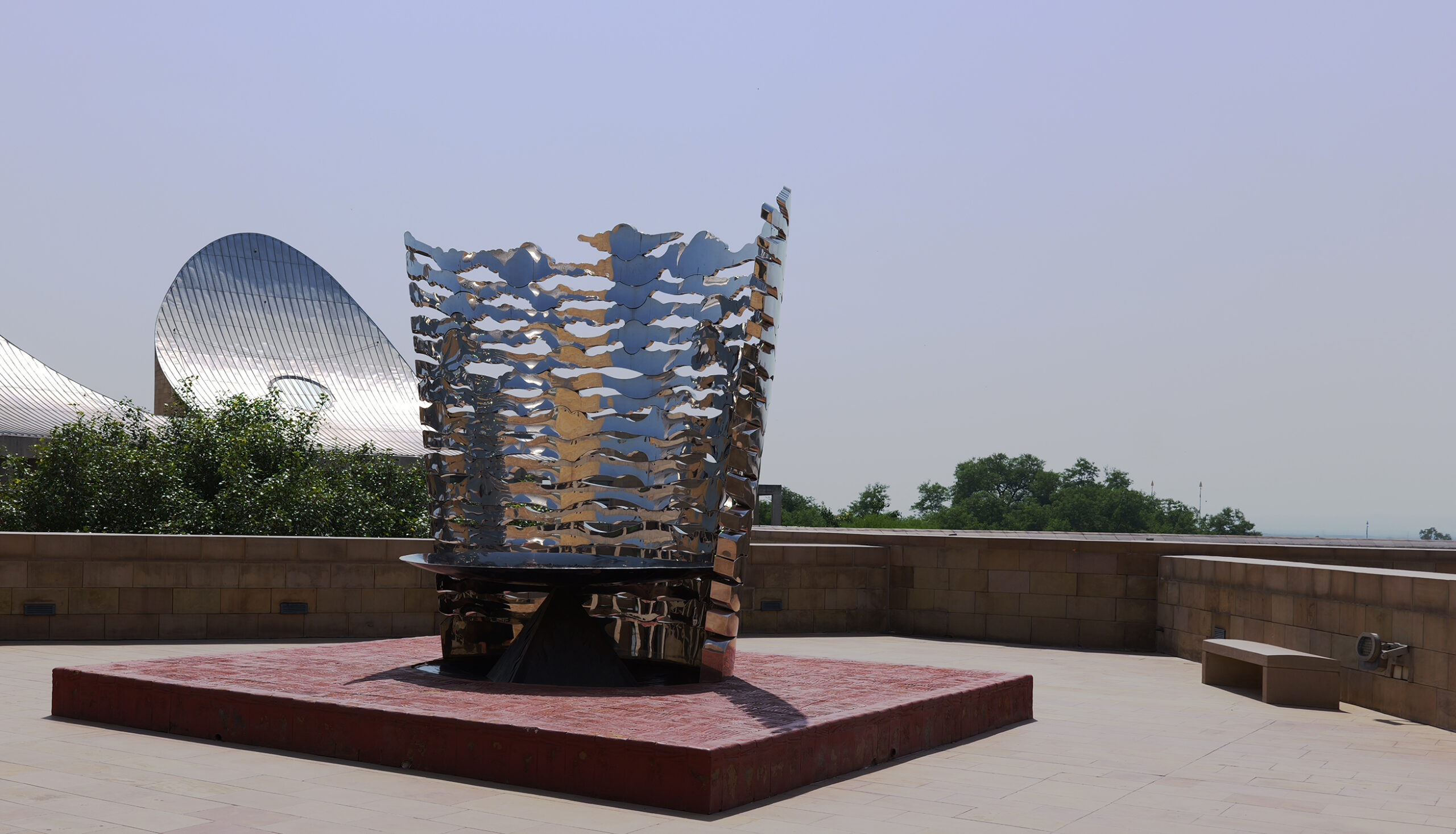
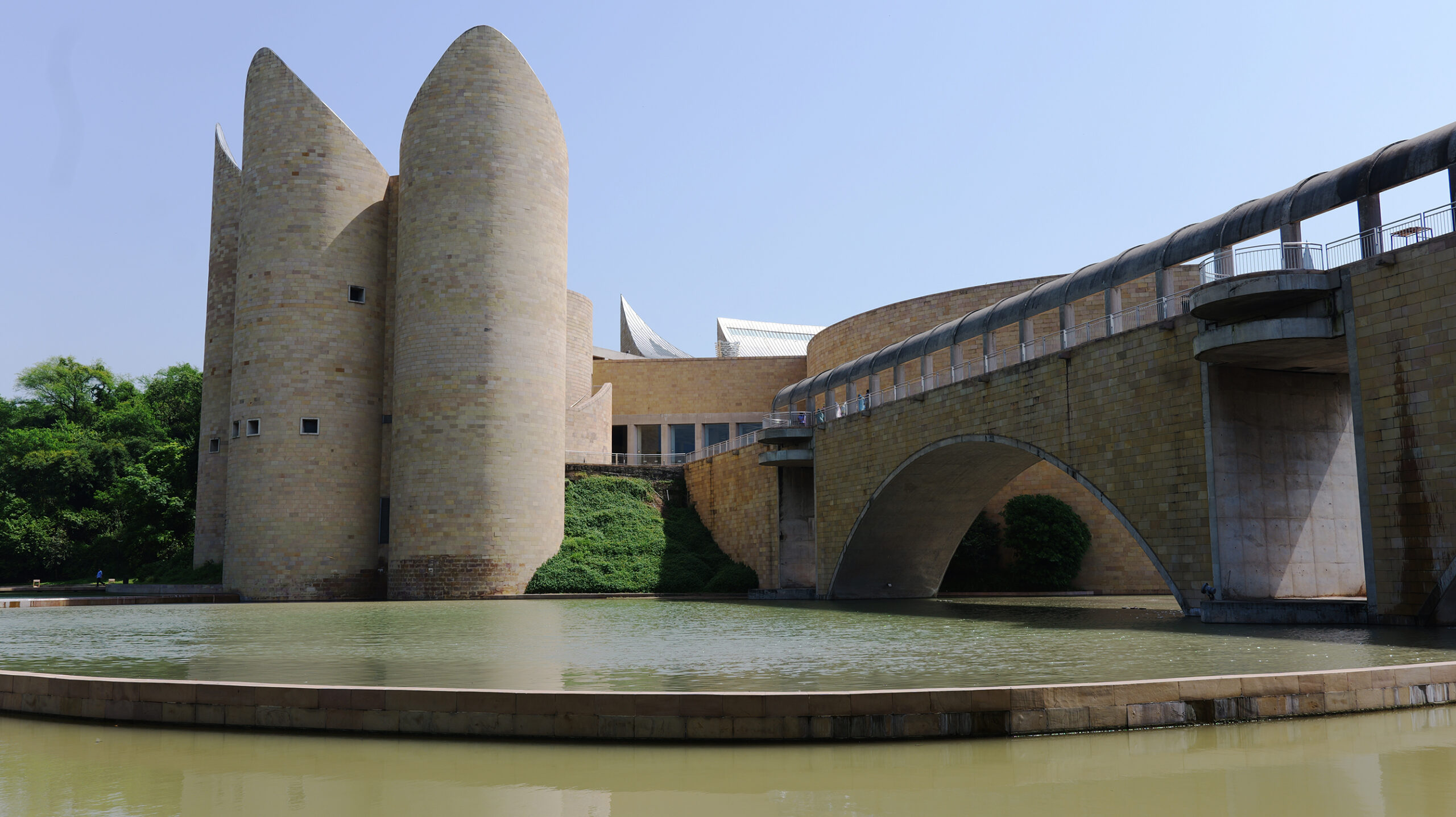


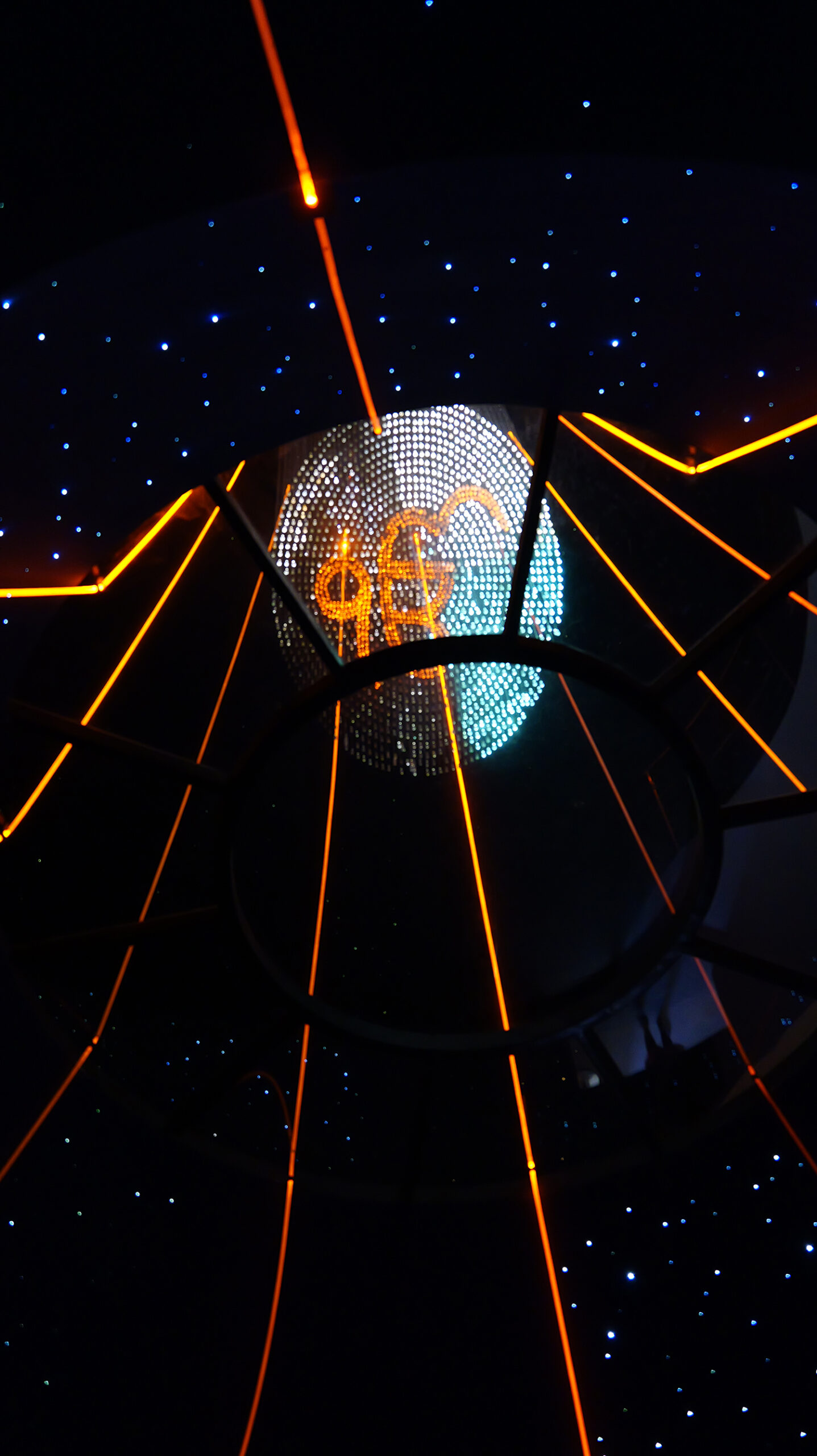
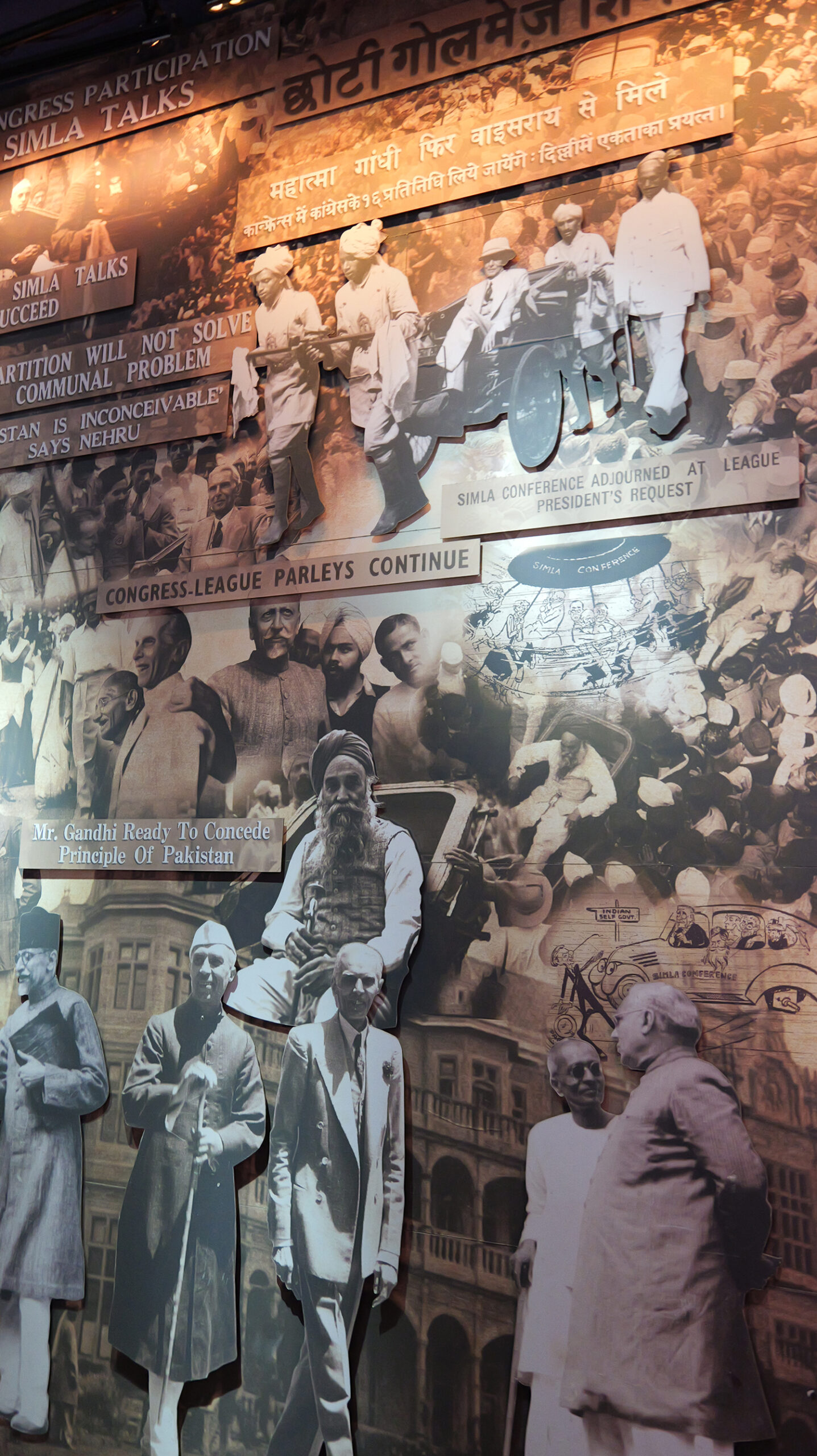
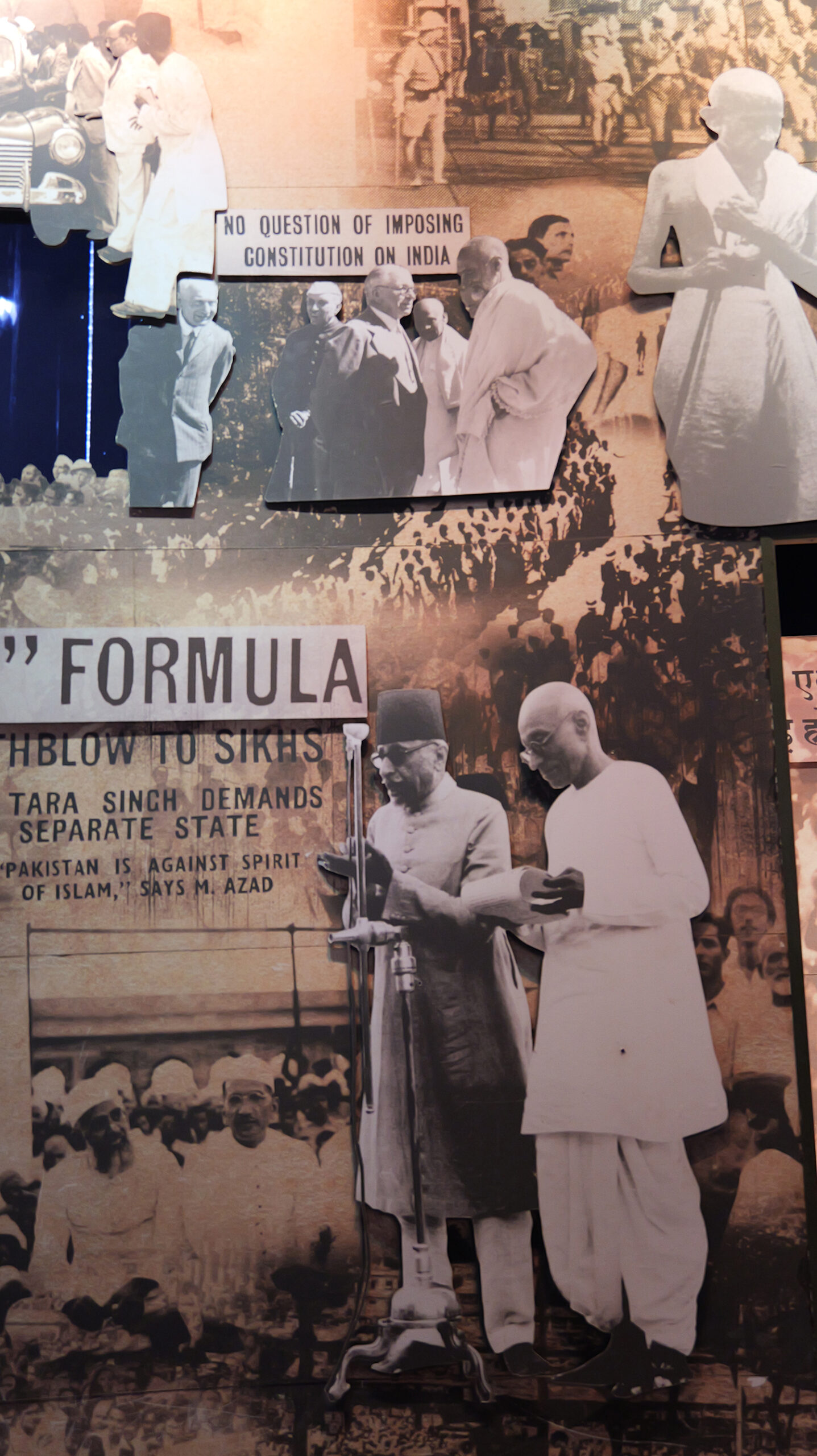
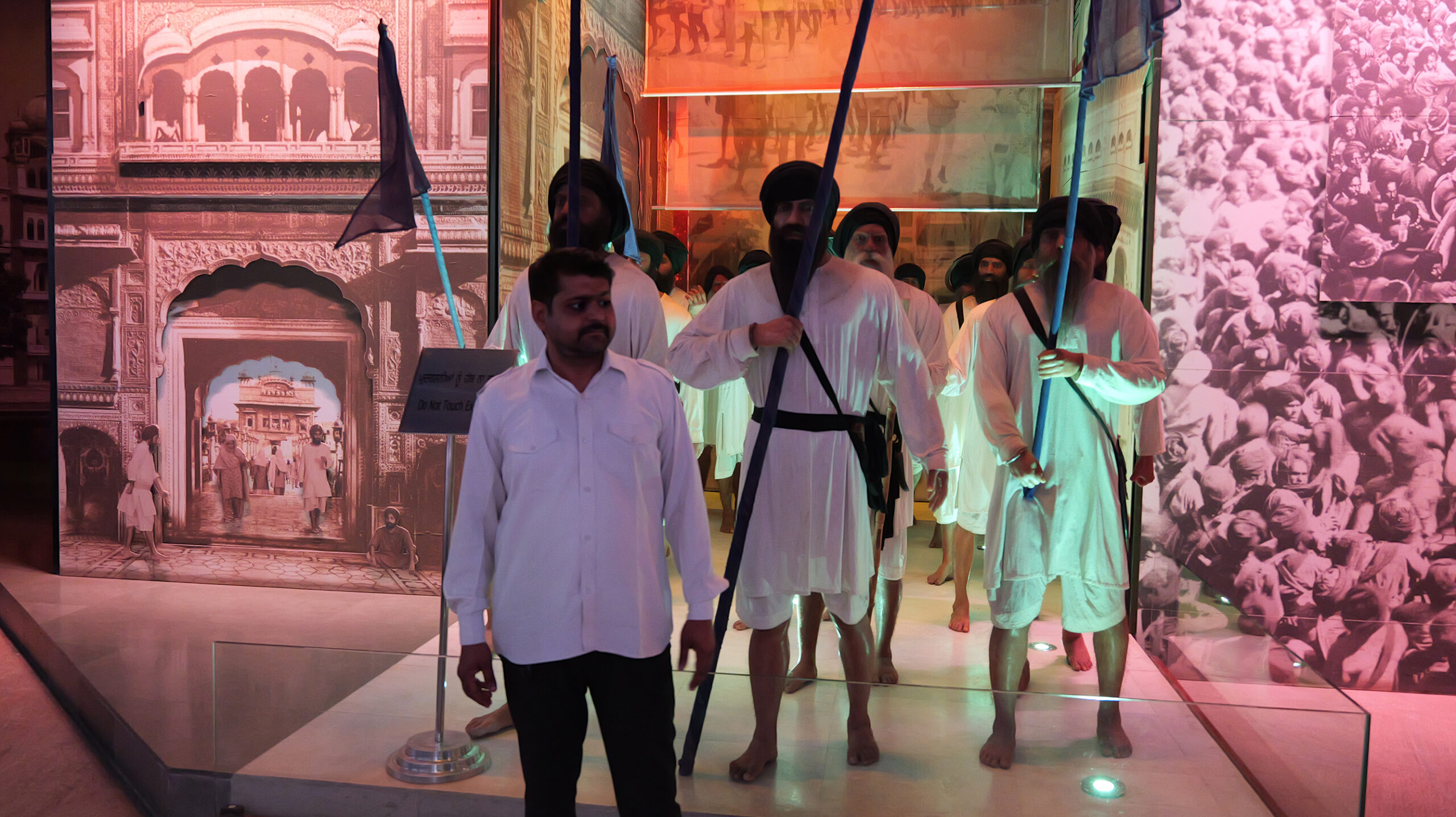
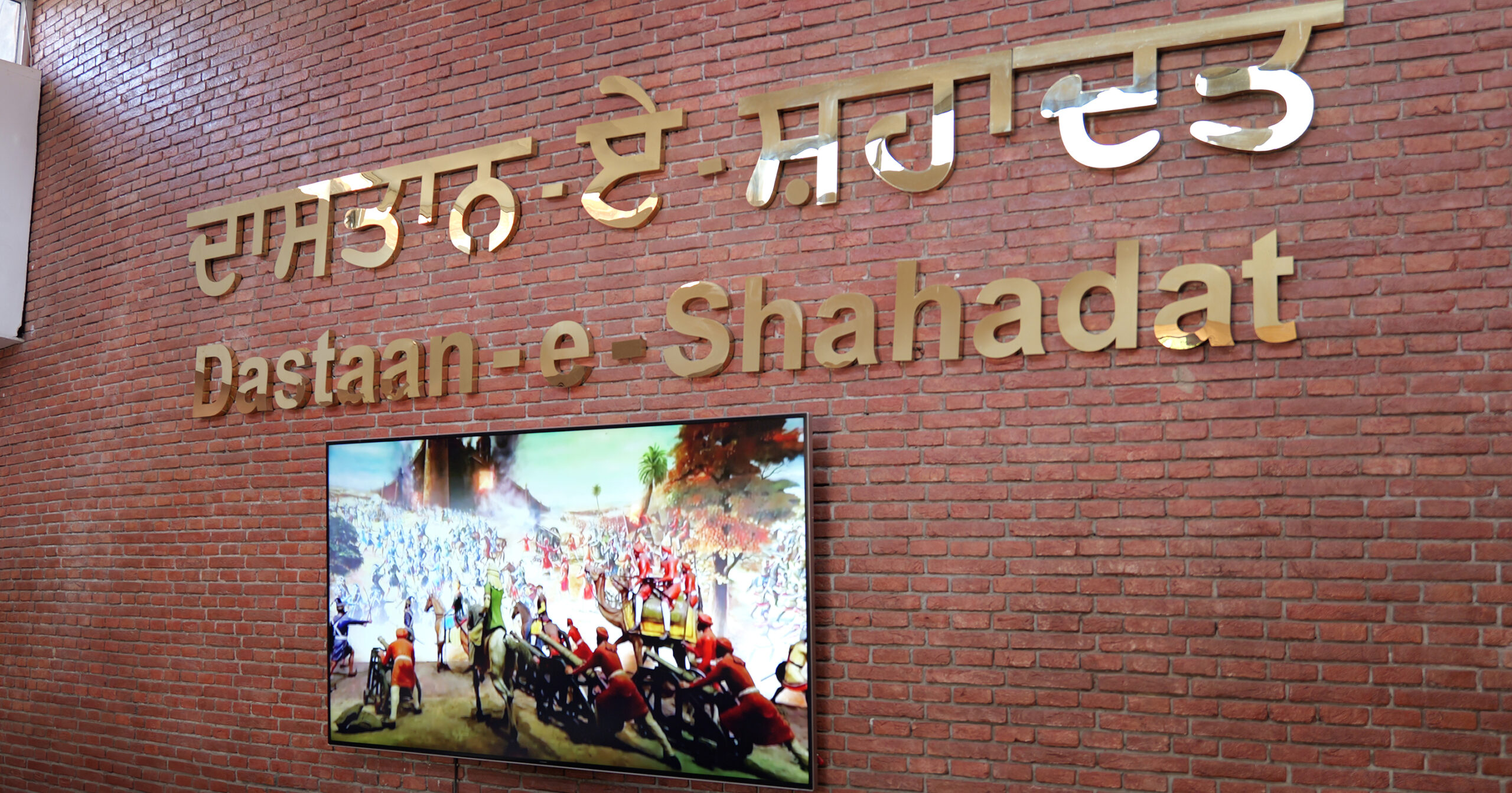
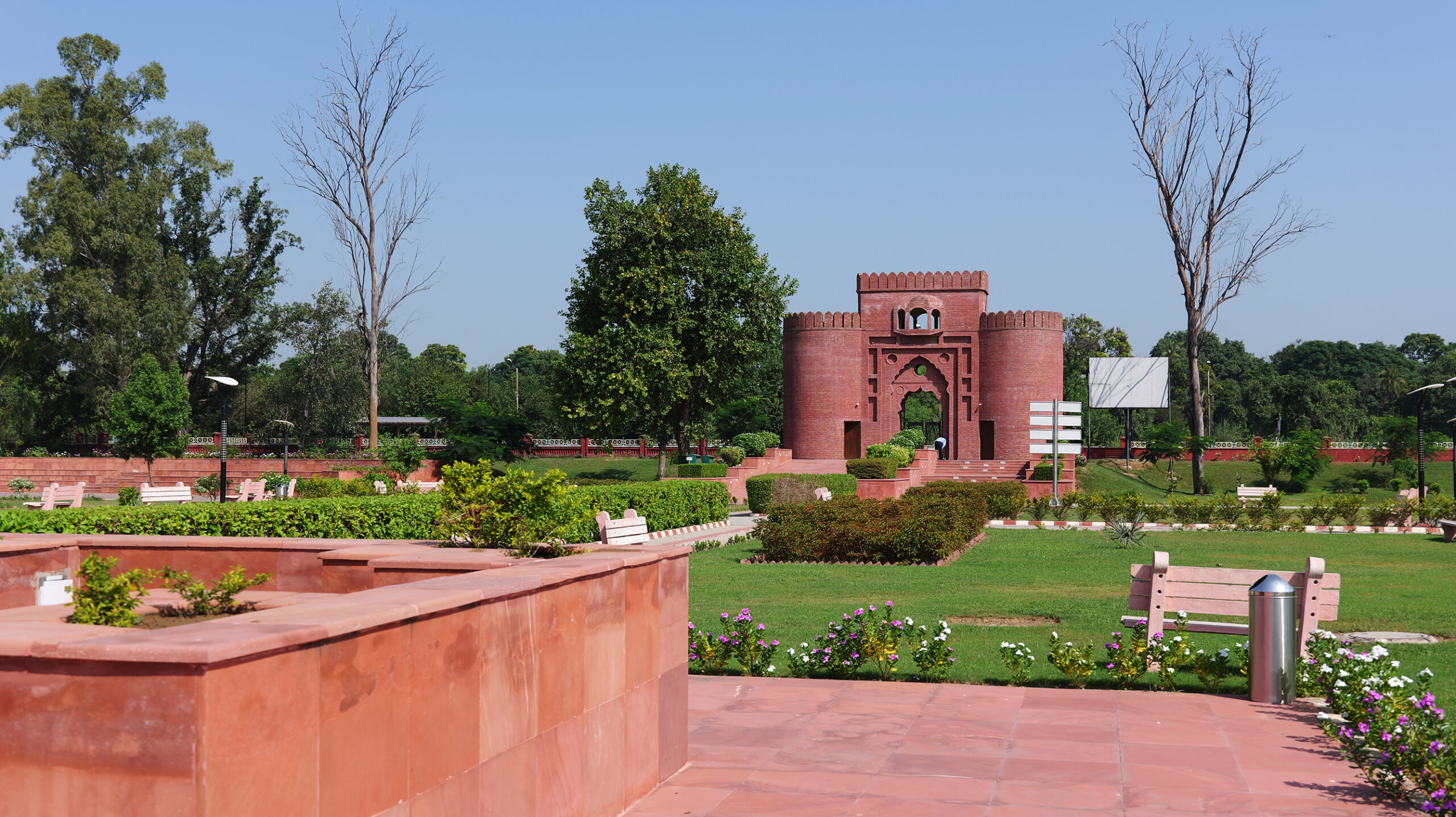
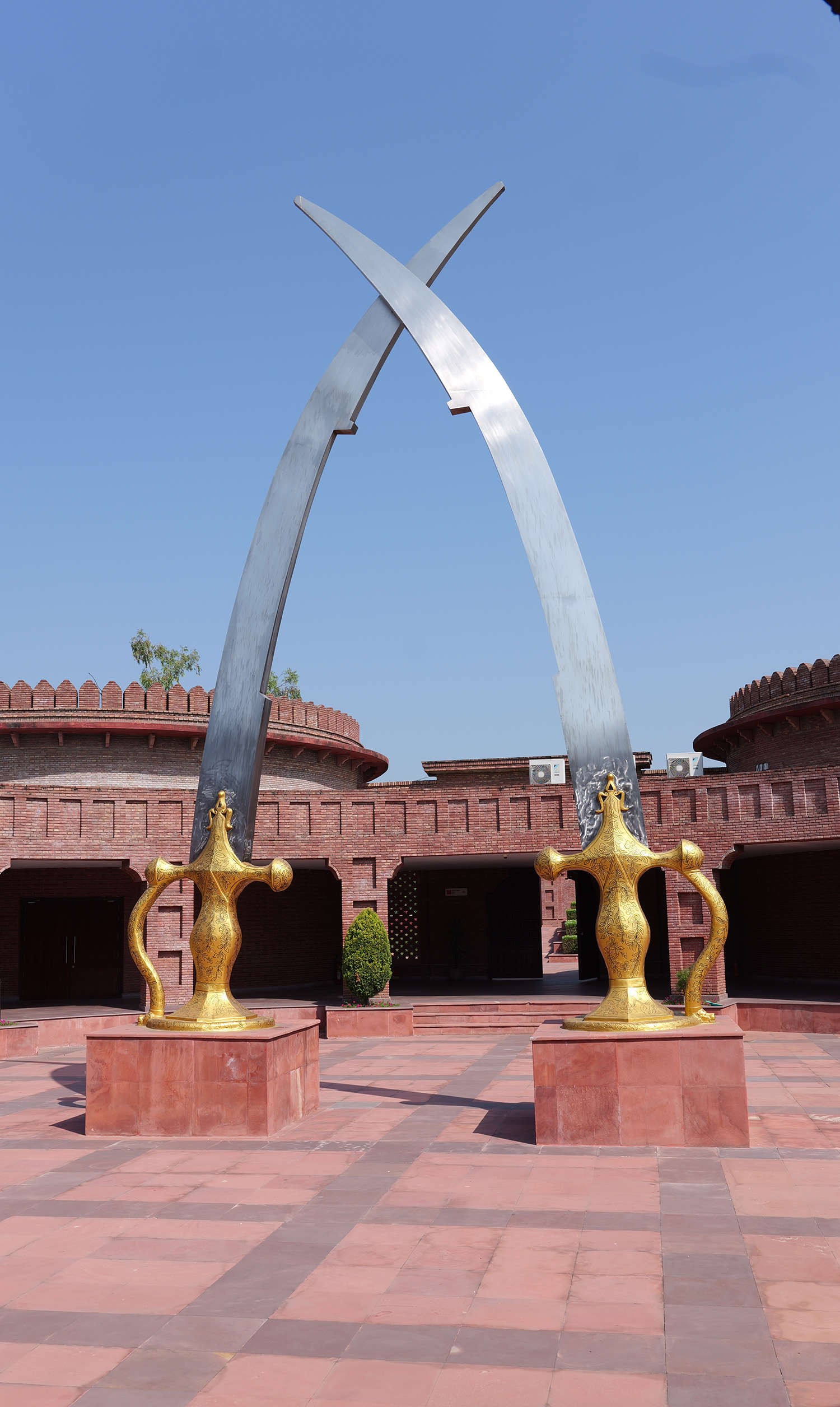
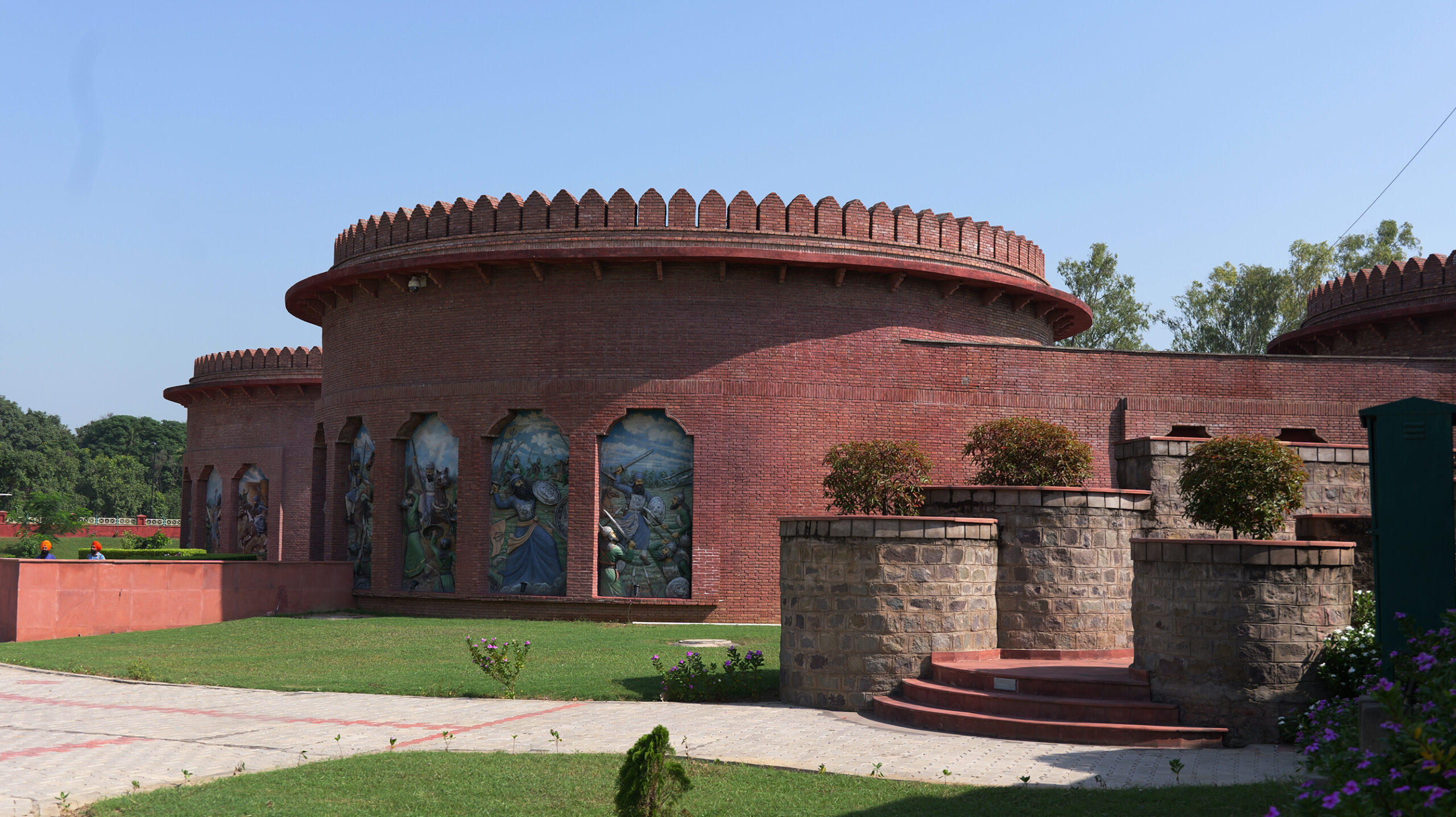
Anandpur Sahib Sikh Temple
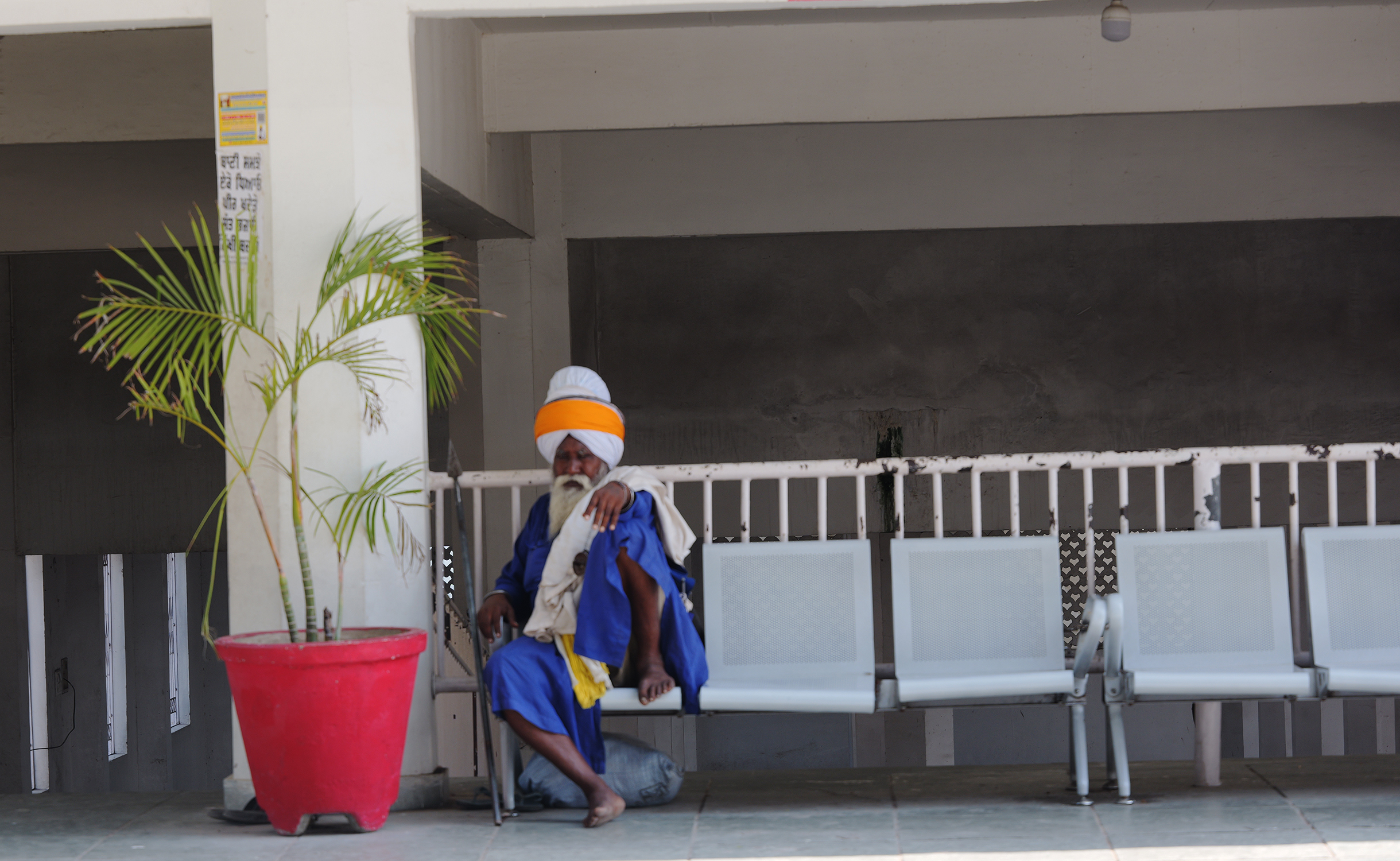
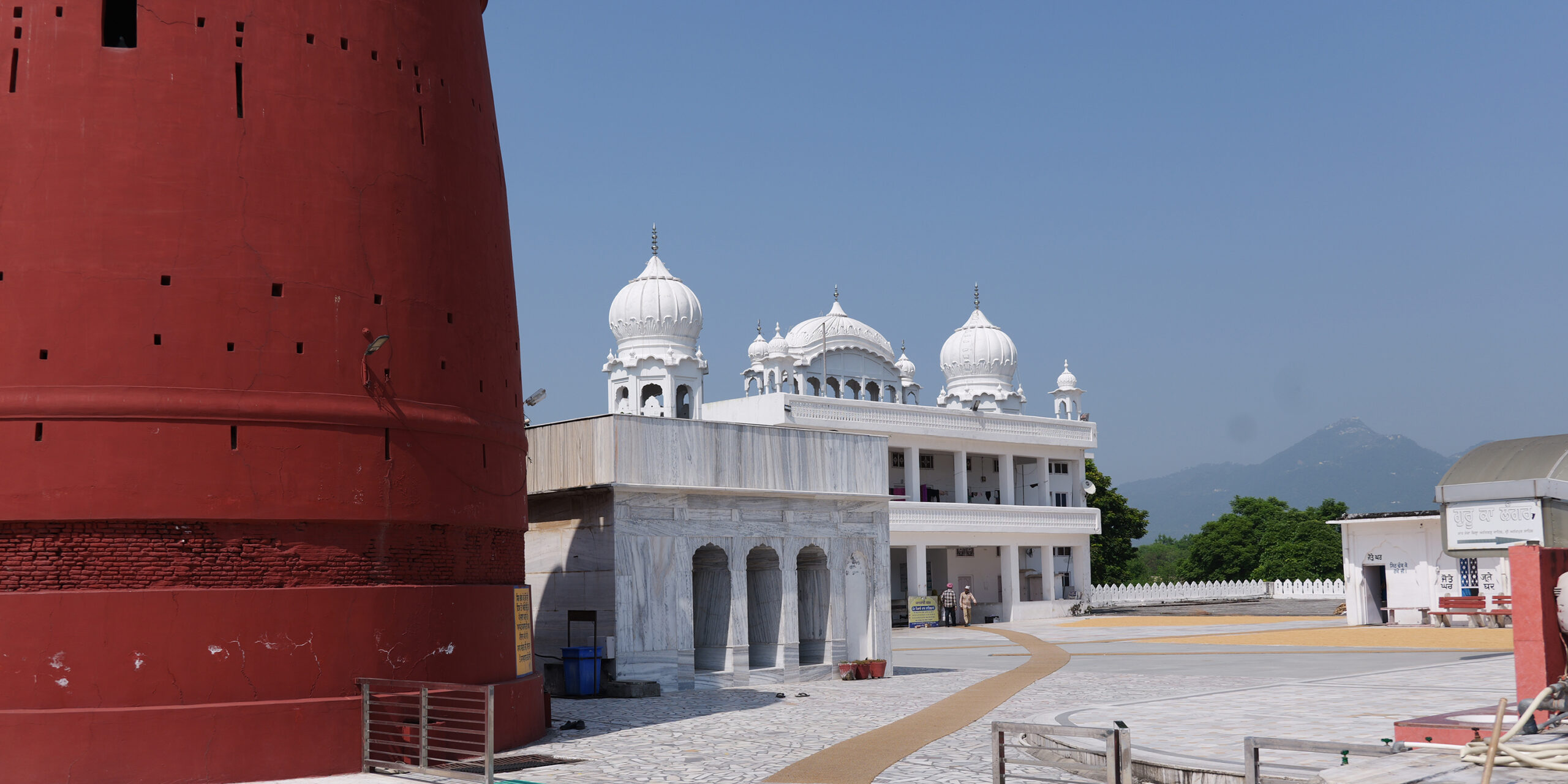
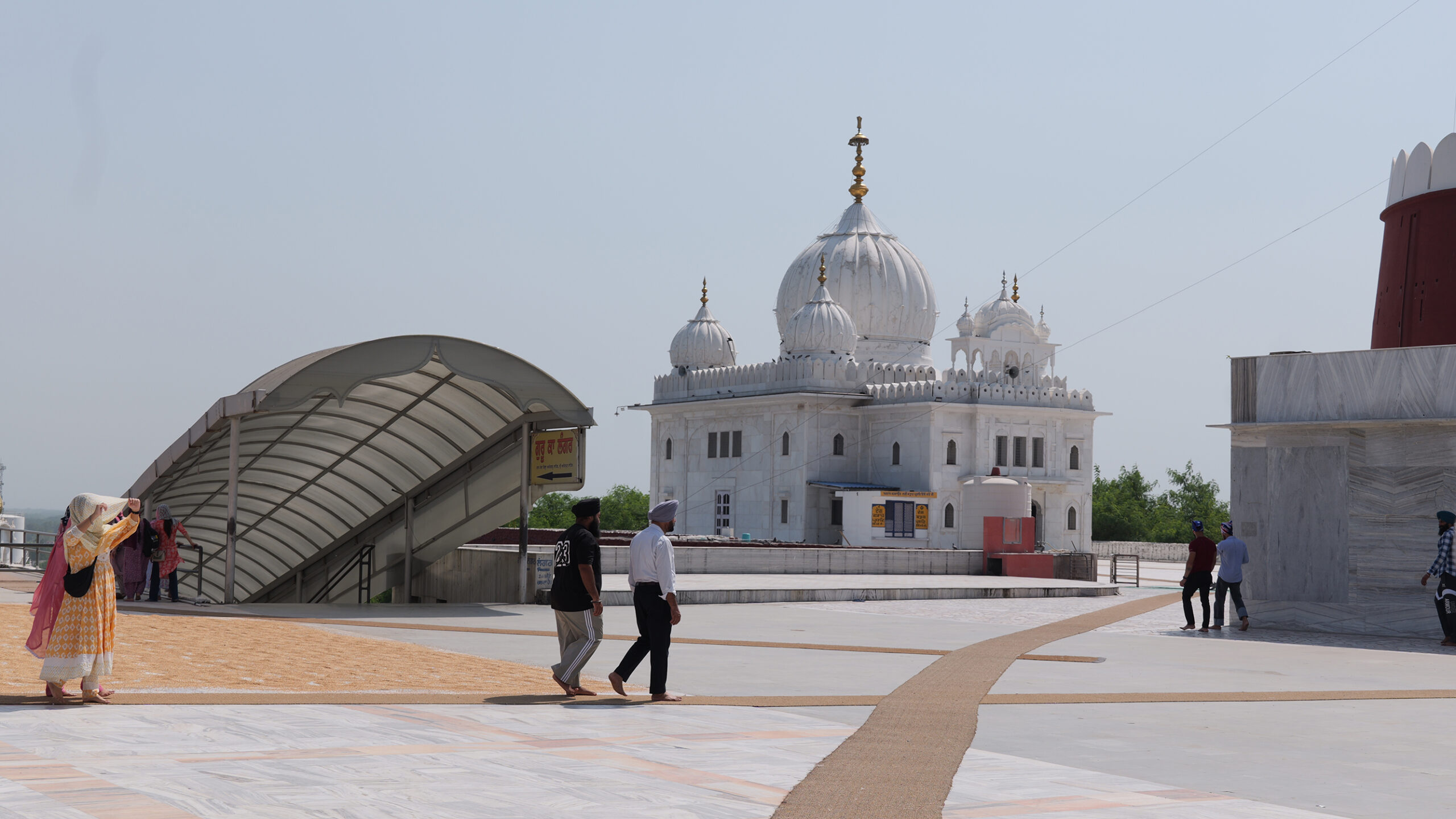
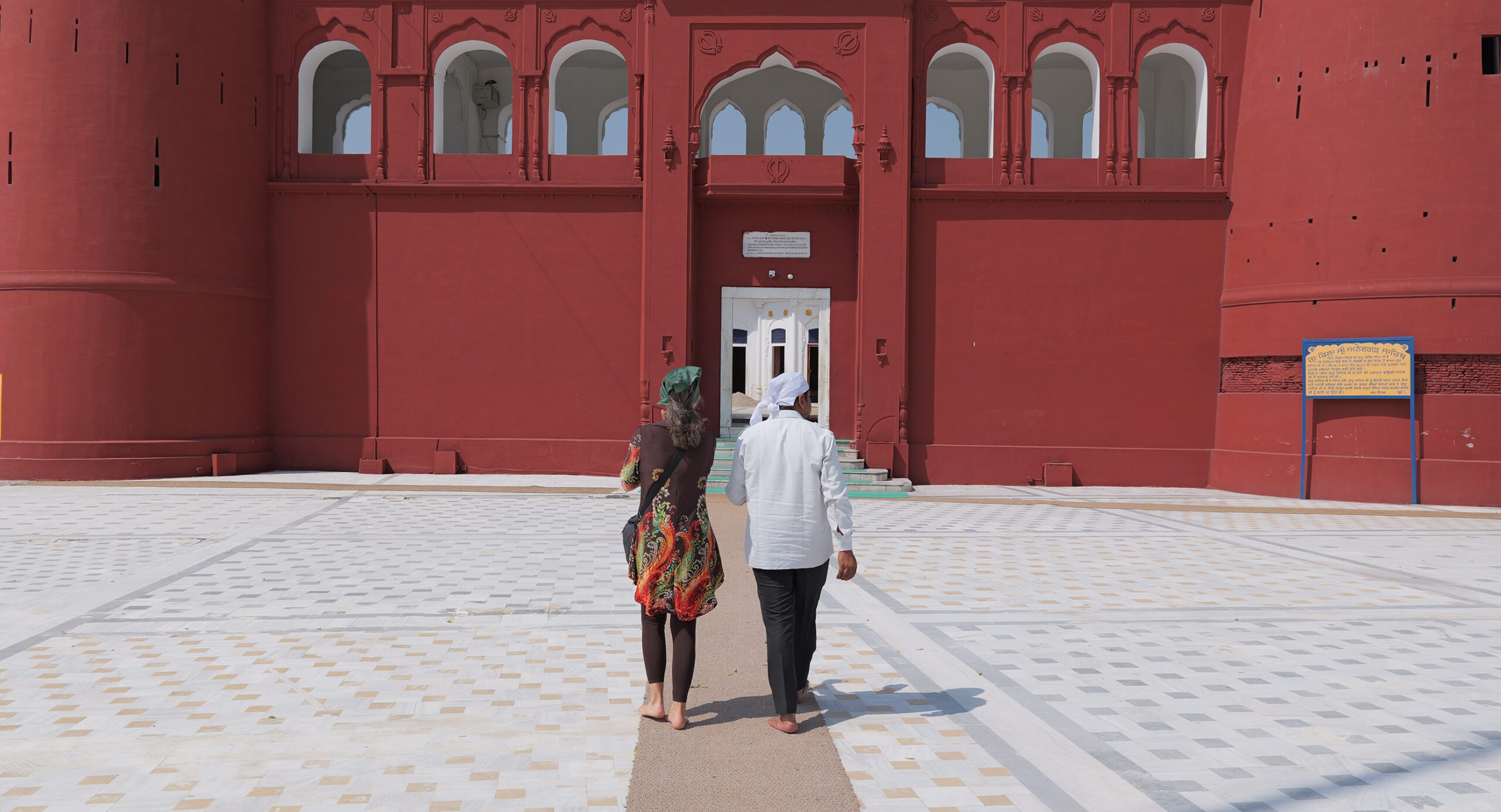
When visisting the Virasat e Khalsa museum we also visited the city of Anandpur Sahib, a very sacred Sikh city because it was where the last two of 10 Sikh Gurus lived. In the city, we visited the Sikh temple, where there was kirtan or music being played and many beautiful marble structures. See images in the gallery below.
Naita Devi Hindu Temple
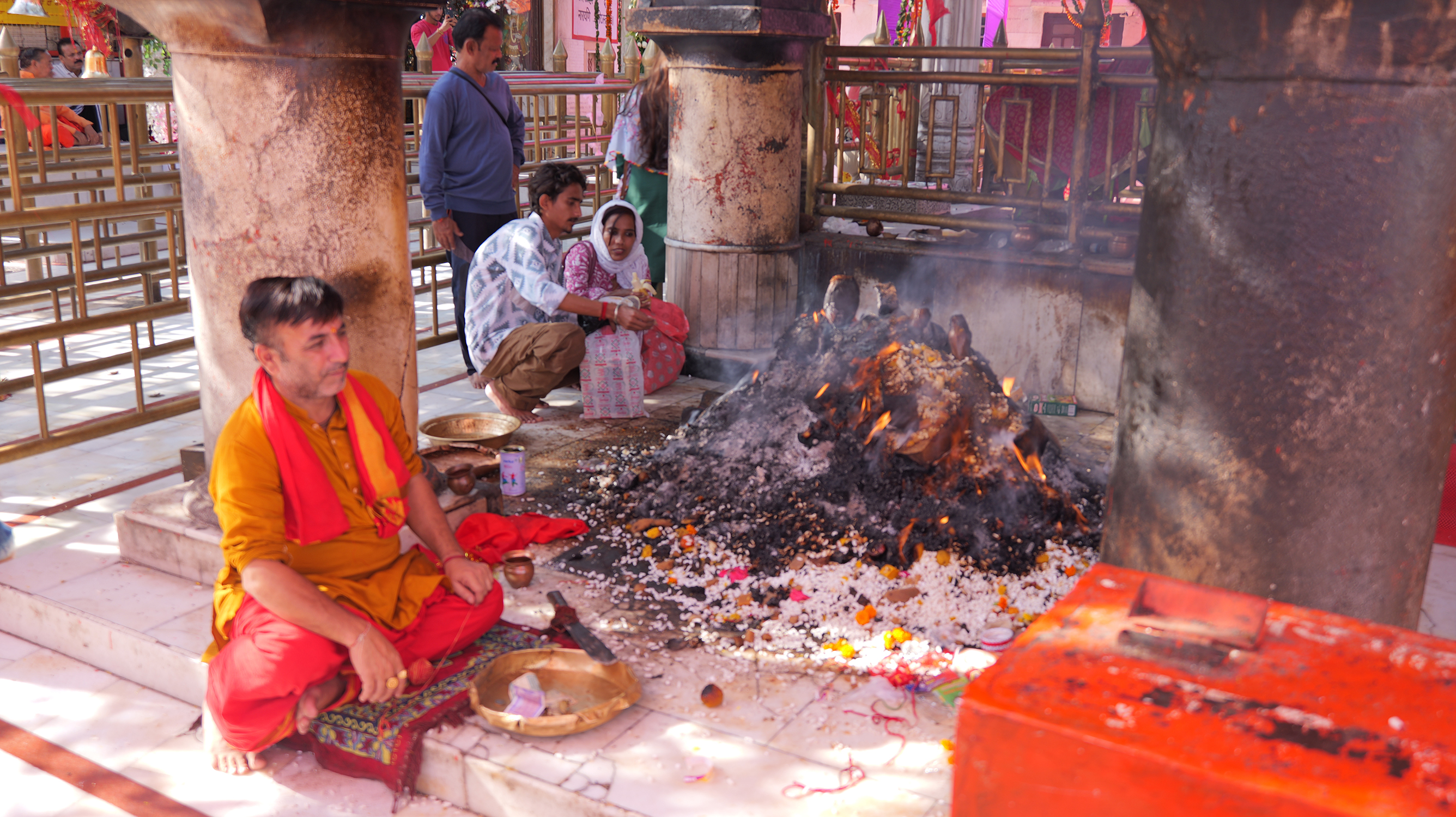
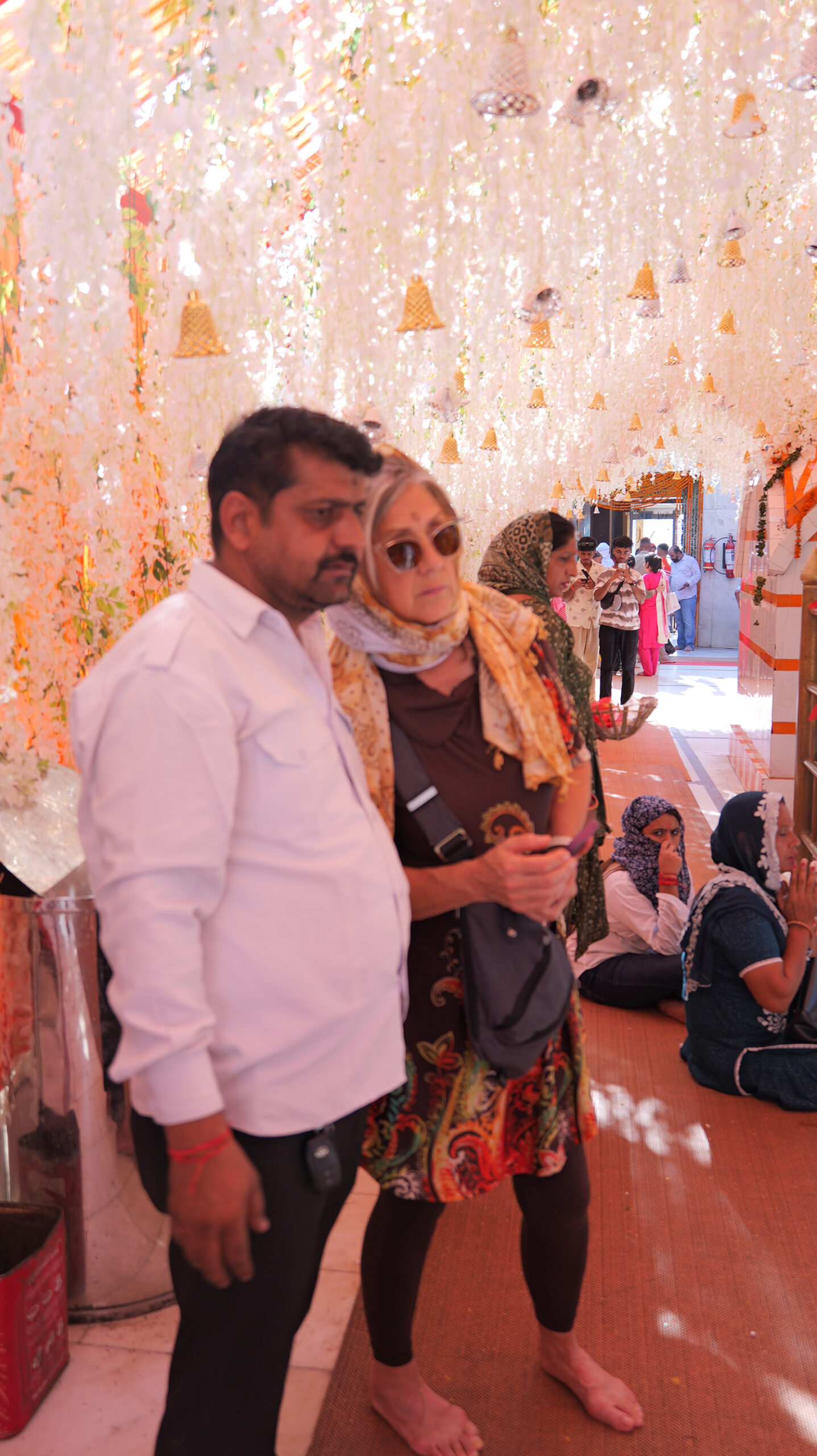
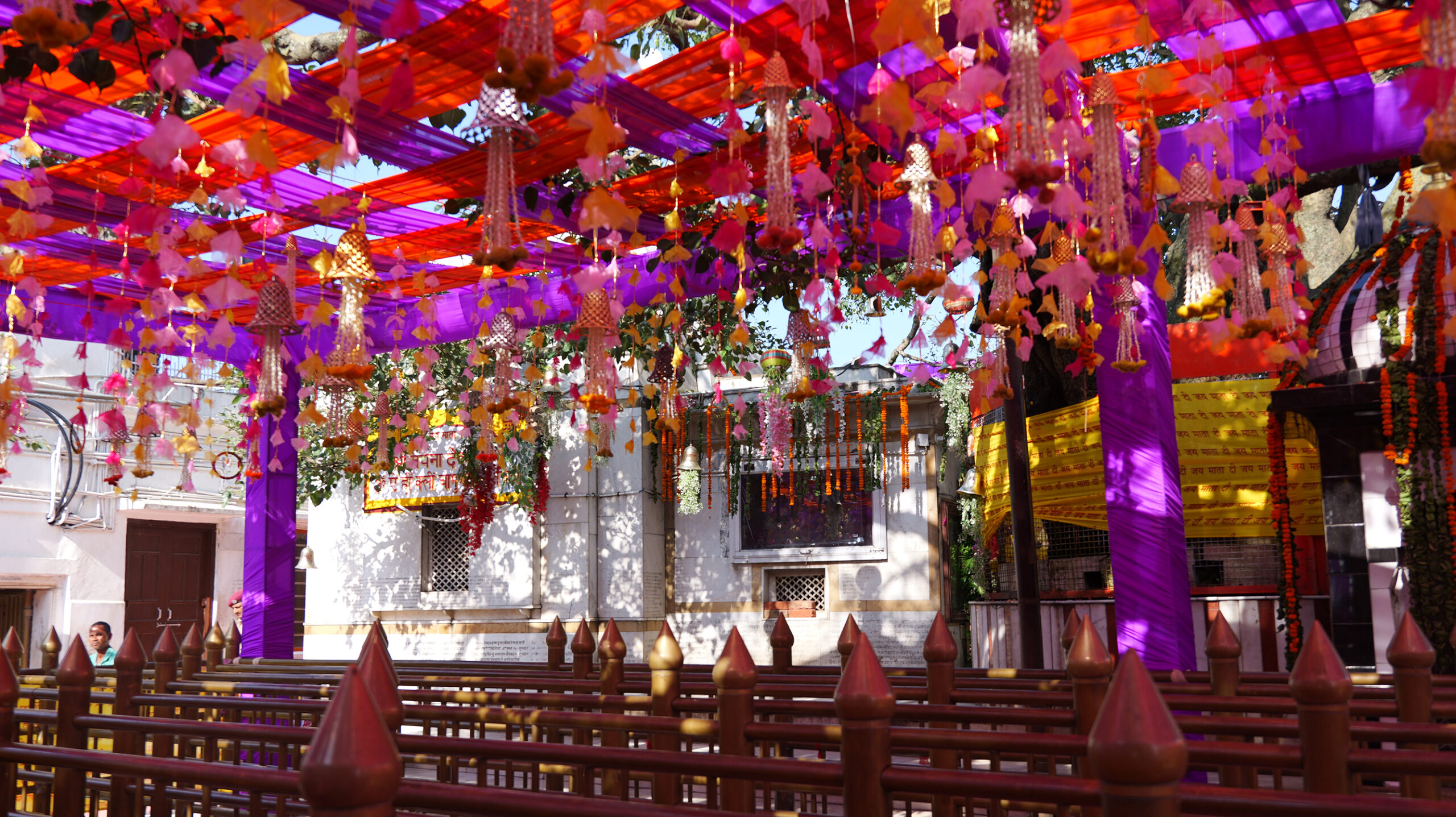
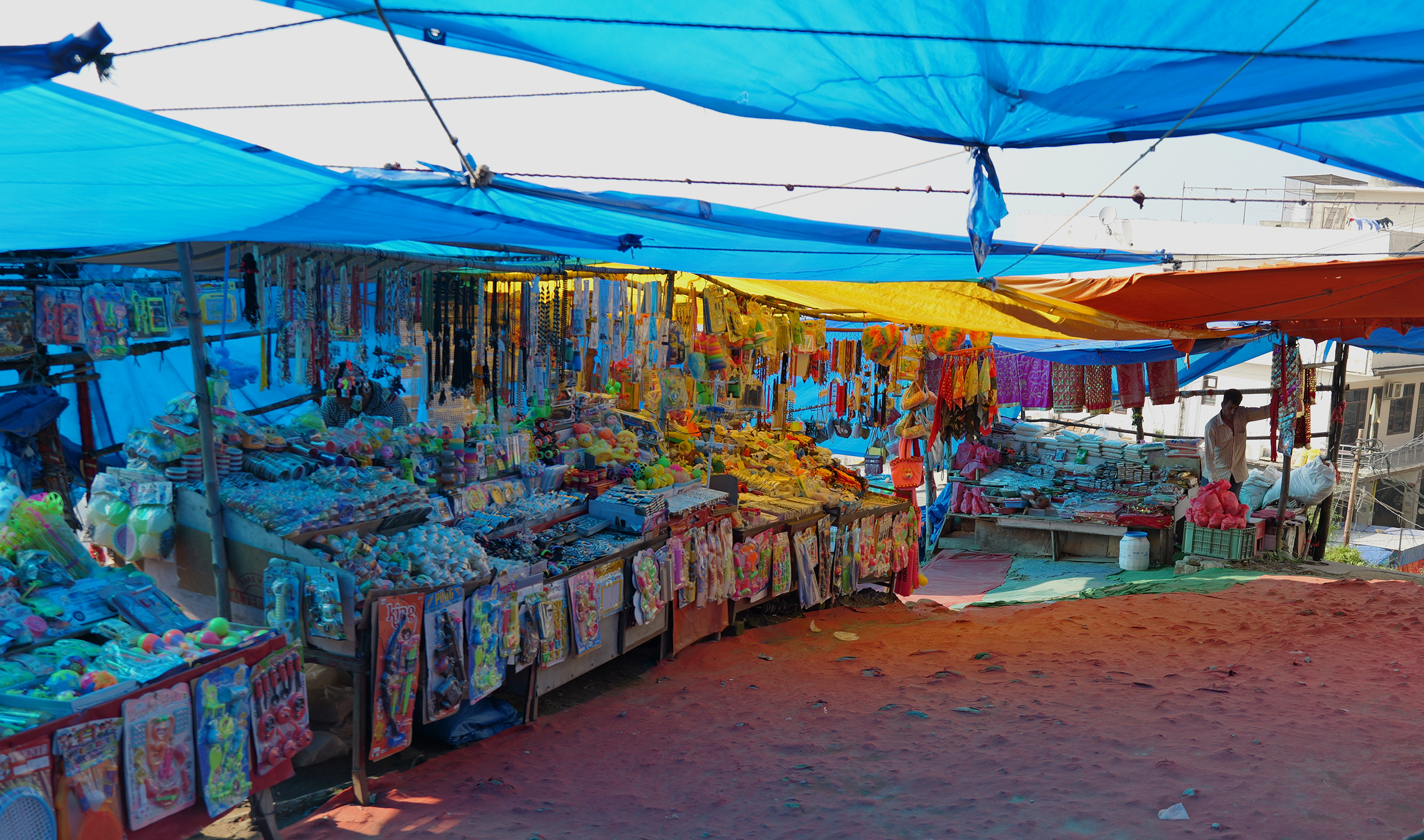
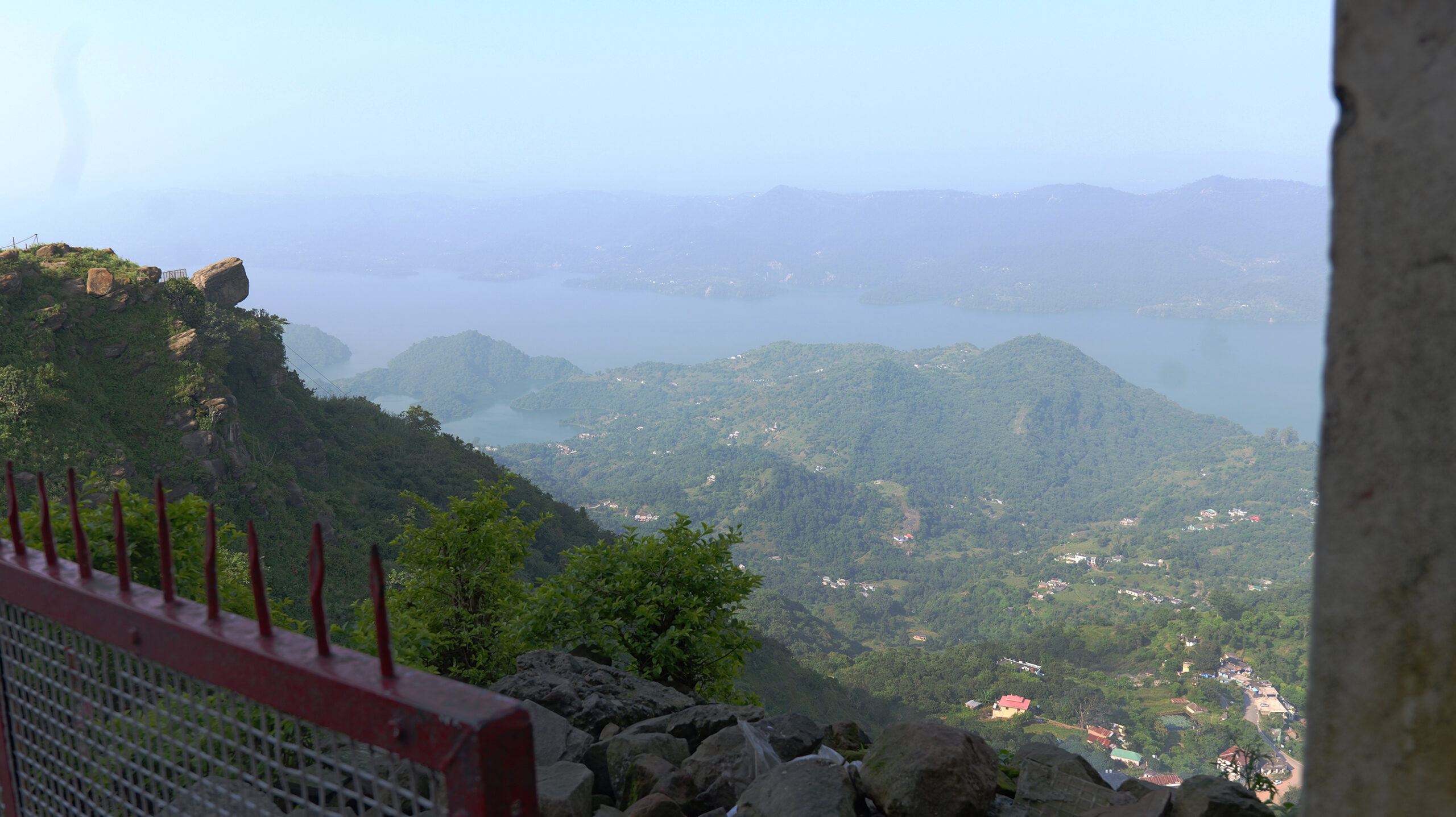
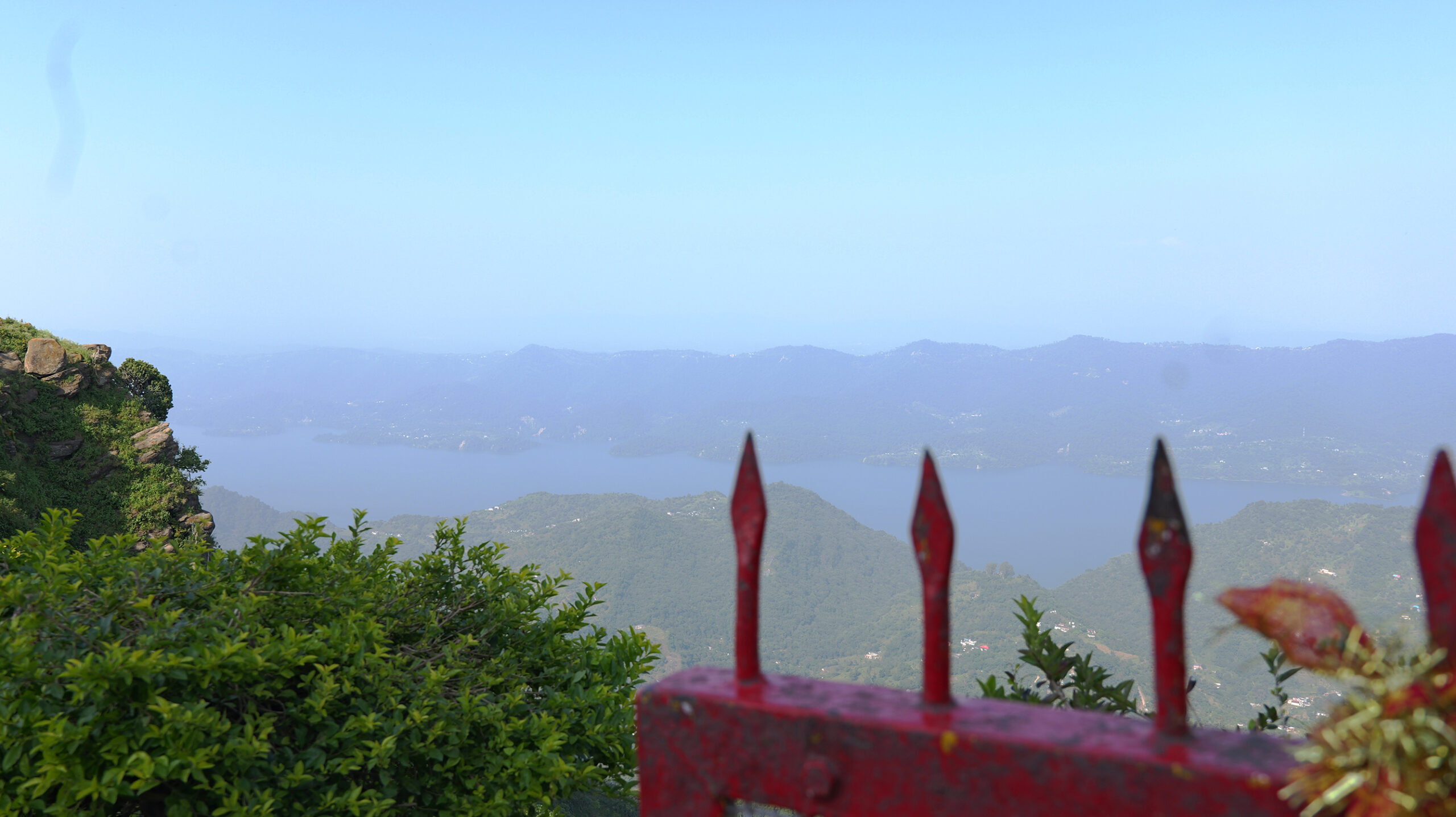
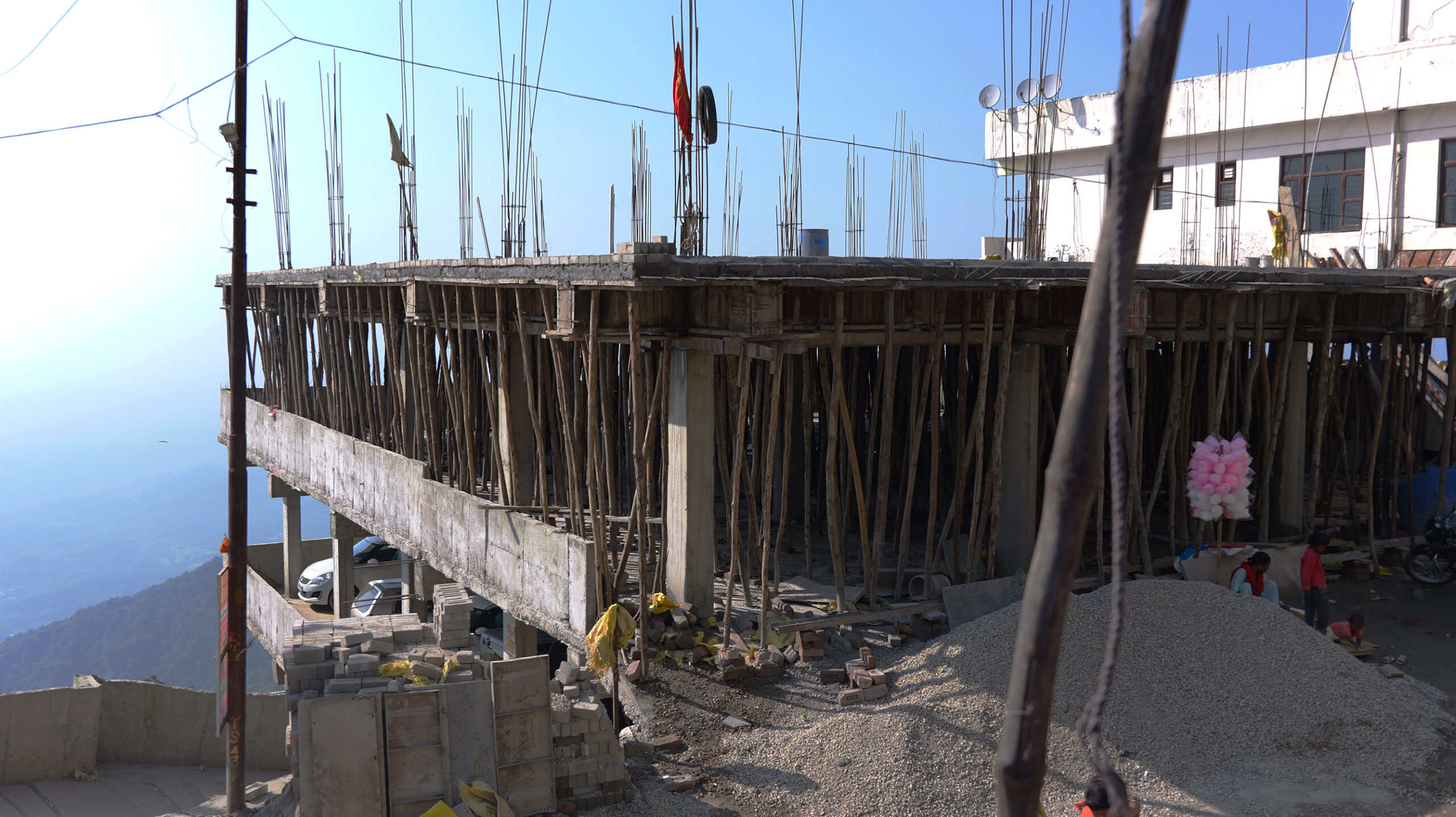
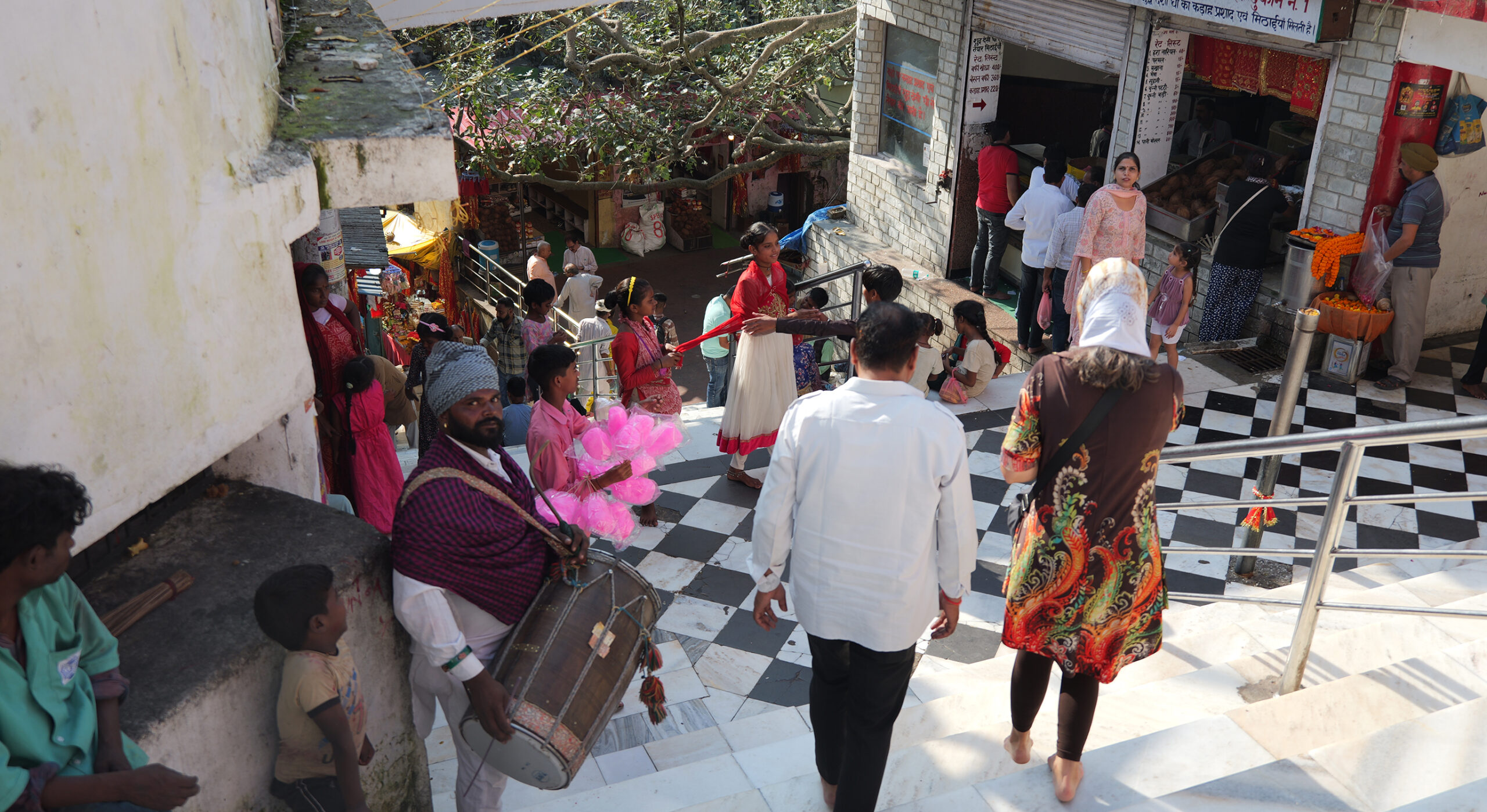
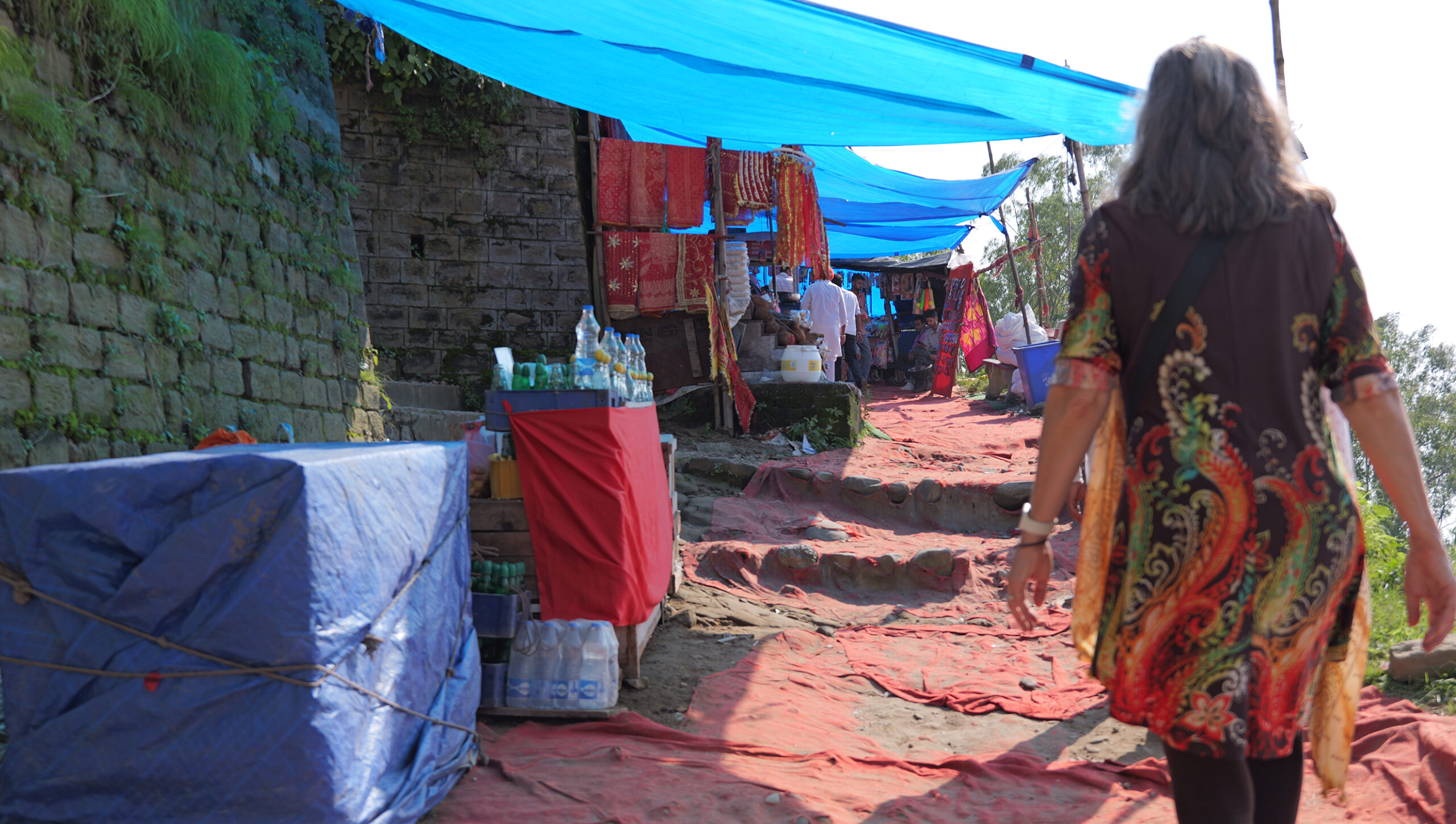
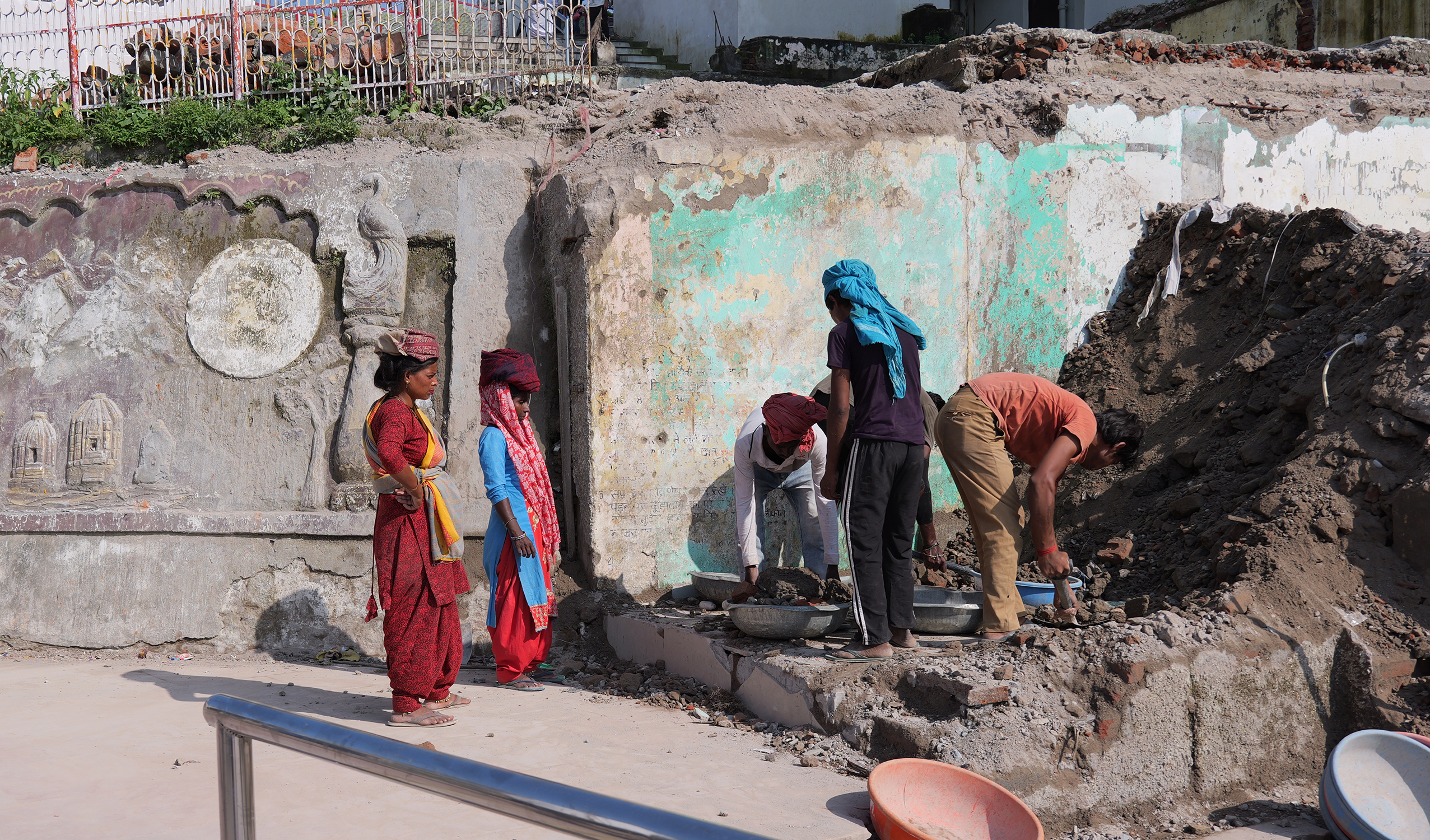
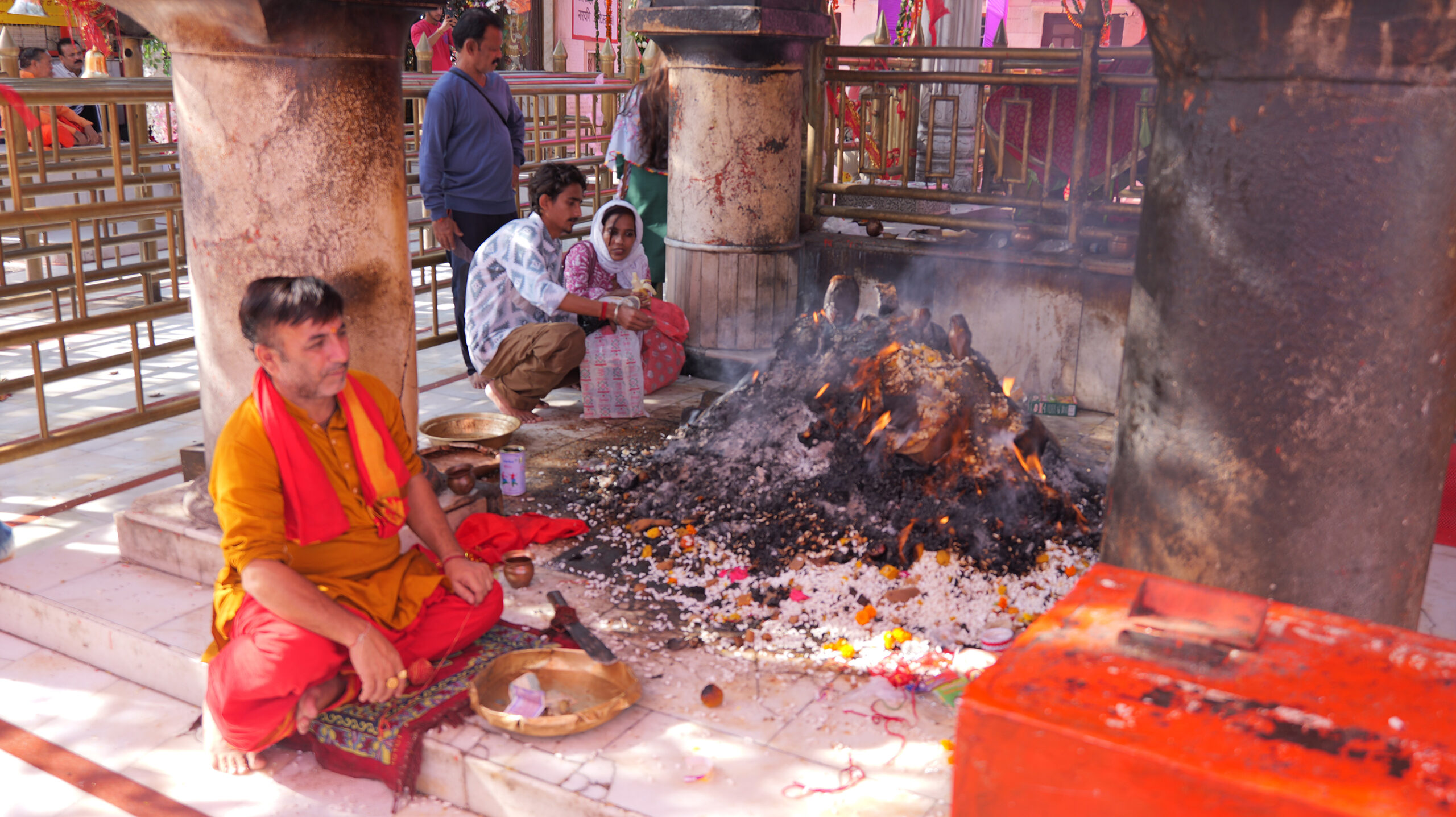
After our visit to the city of Anandpur Sahib we went to a Hindu temple at the top of a mountain. It was a harrowing but beautiful ride up the mountain but also worth the ride. Once we arrived, our driver parked in a parking garage that was just being built (you’ll see an image of that below.) We then walked the rest of the way up to the temple on a winding stairway with markets along the way. Once close to the temple you remove your shoes (this has been the case at all temples, Hindu, Baha’i and Sikh) and go through the experience of the temple and pay your respects along the way. At the end, we were blessed with ashes on our forehead and a string around our wrist. A once in a lifetime experience from the mountain climb, to the spirituality of the temple, to the troop of monkeys we saw on the way down.