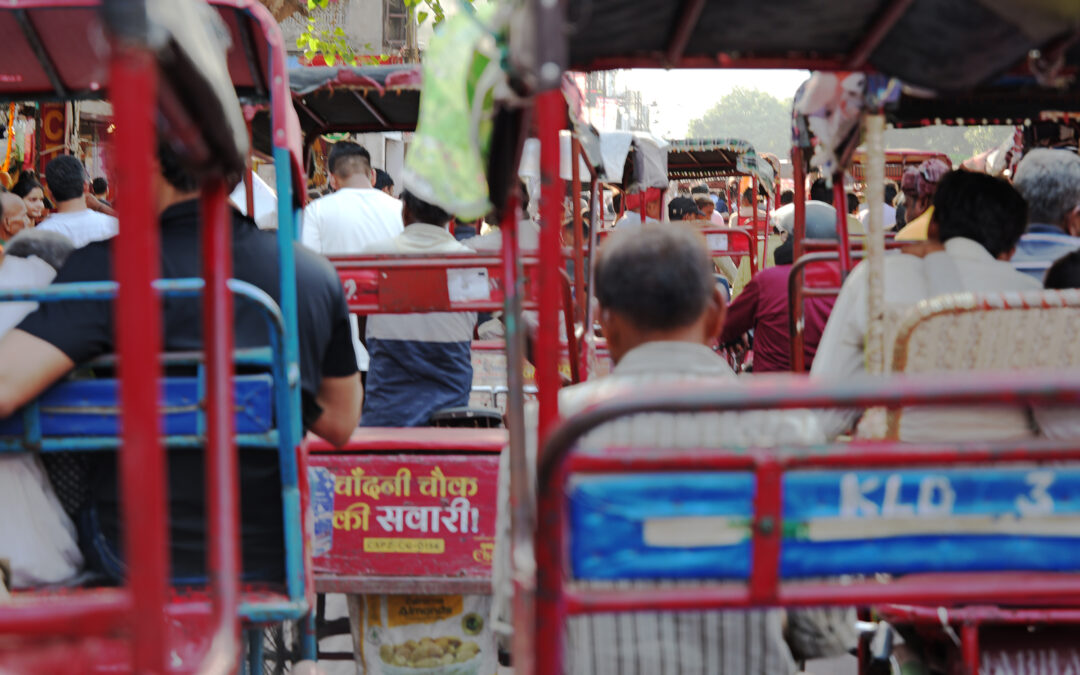
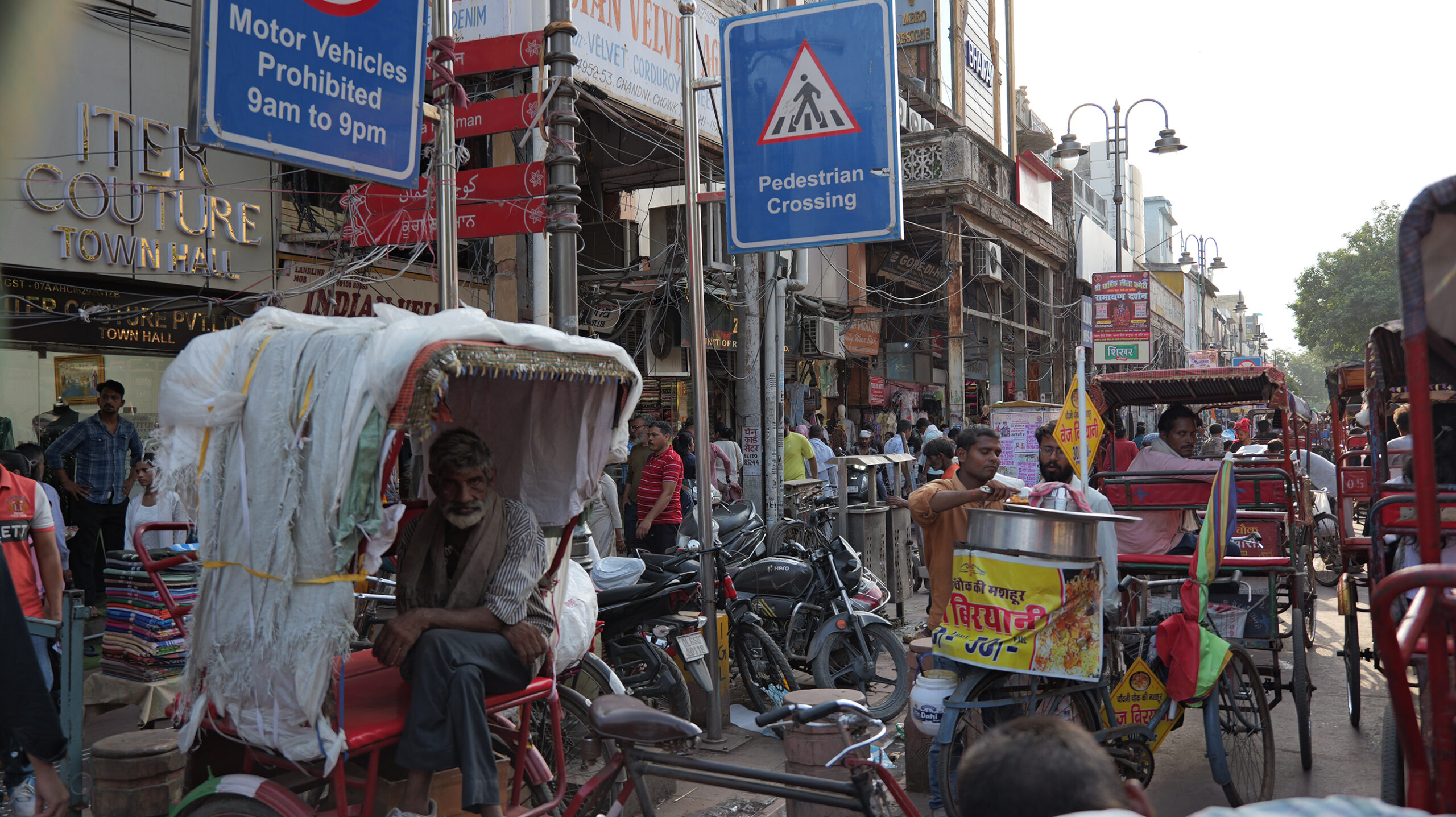
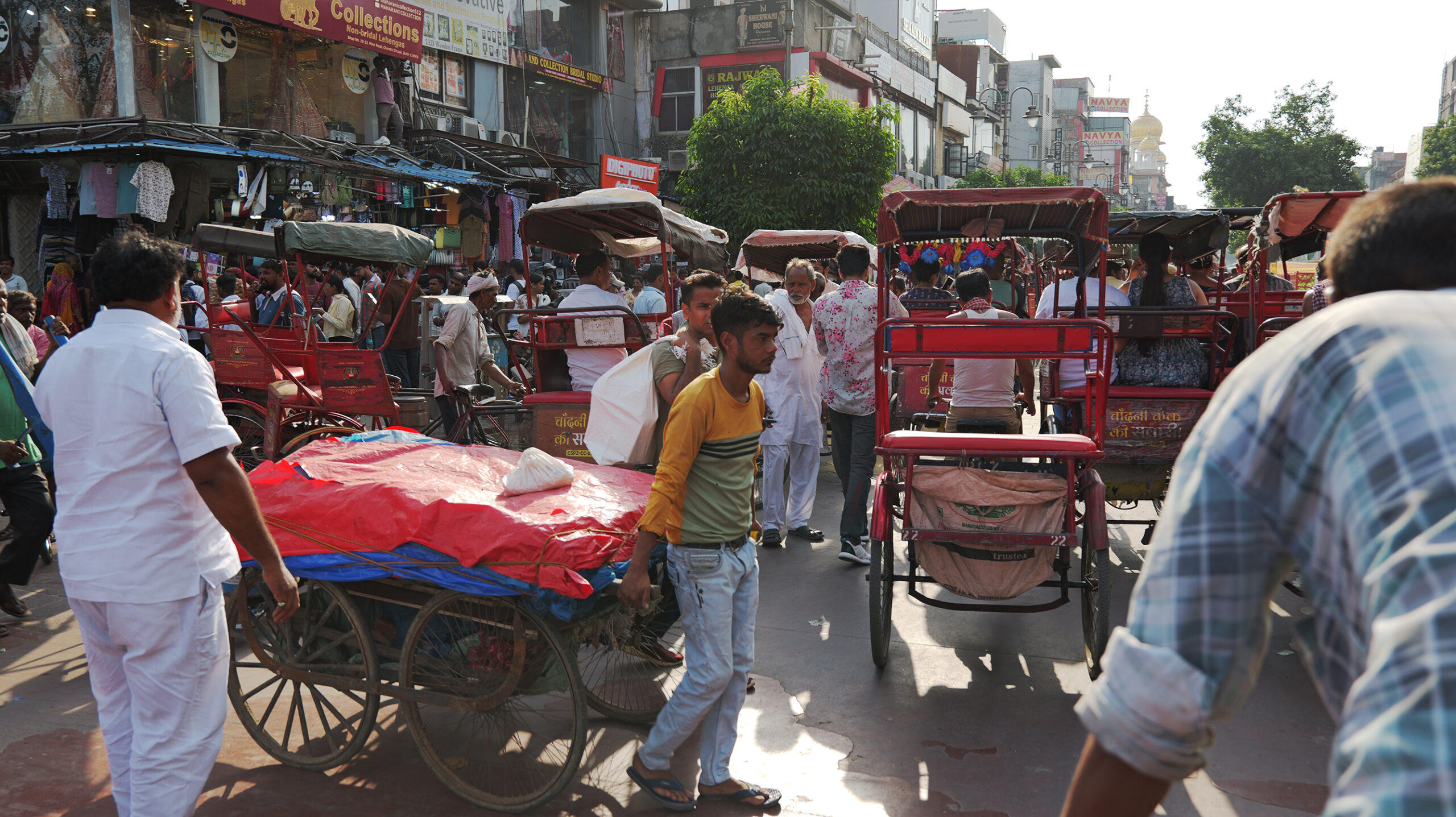
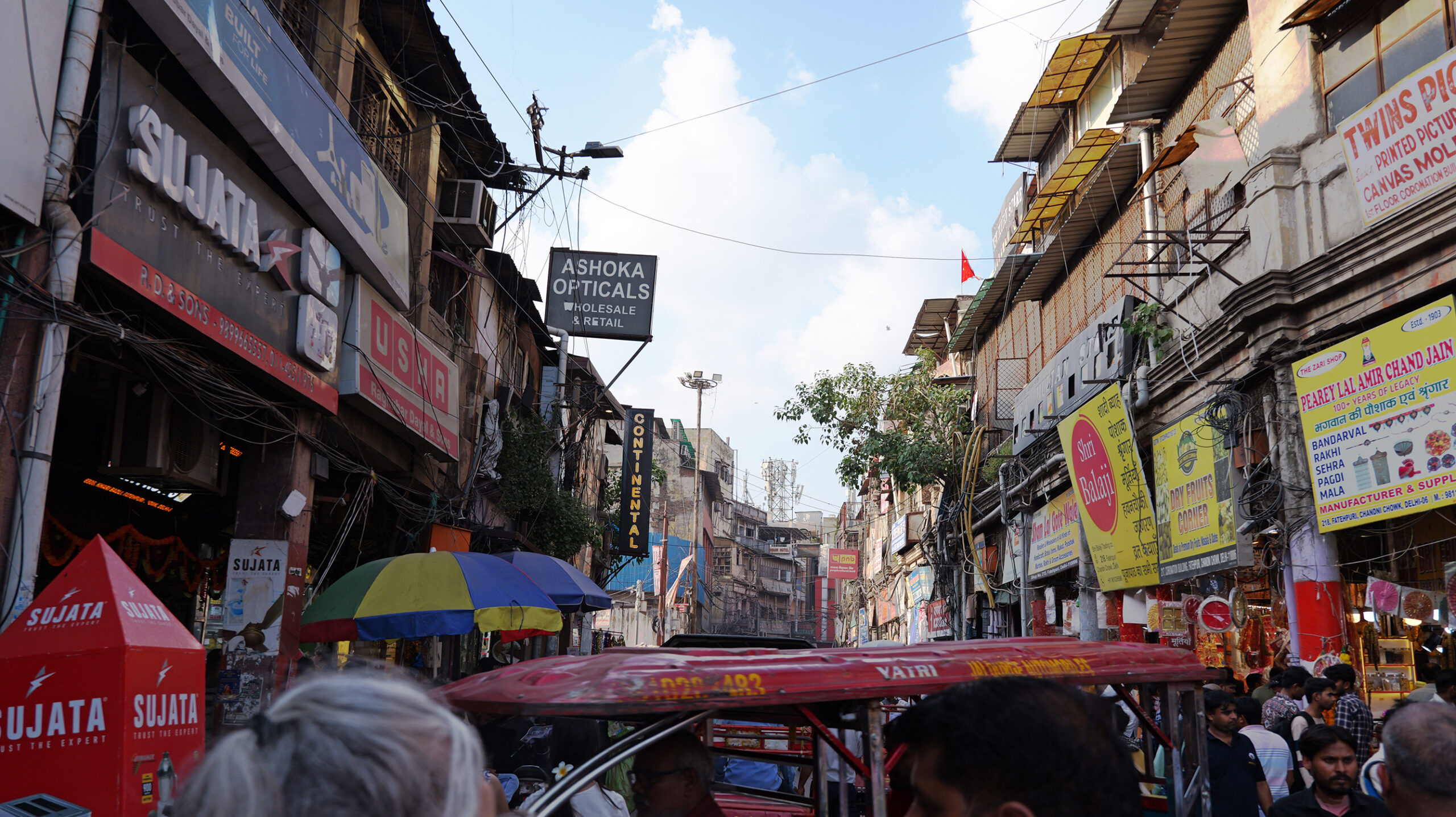
We are in a rickshaw, in this rickshaw jam in the Old Delhi market.
Two Days, 2 Design Studios, the Sites of Delhi and lots of Traffic
Day 2: The India Gate & The Lotus Temple
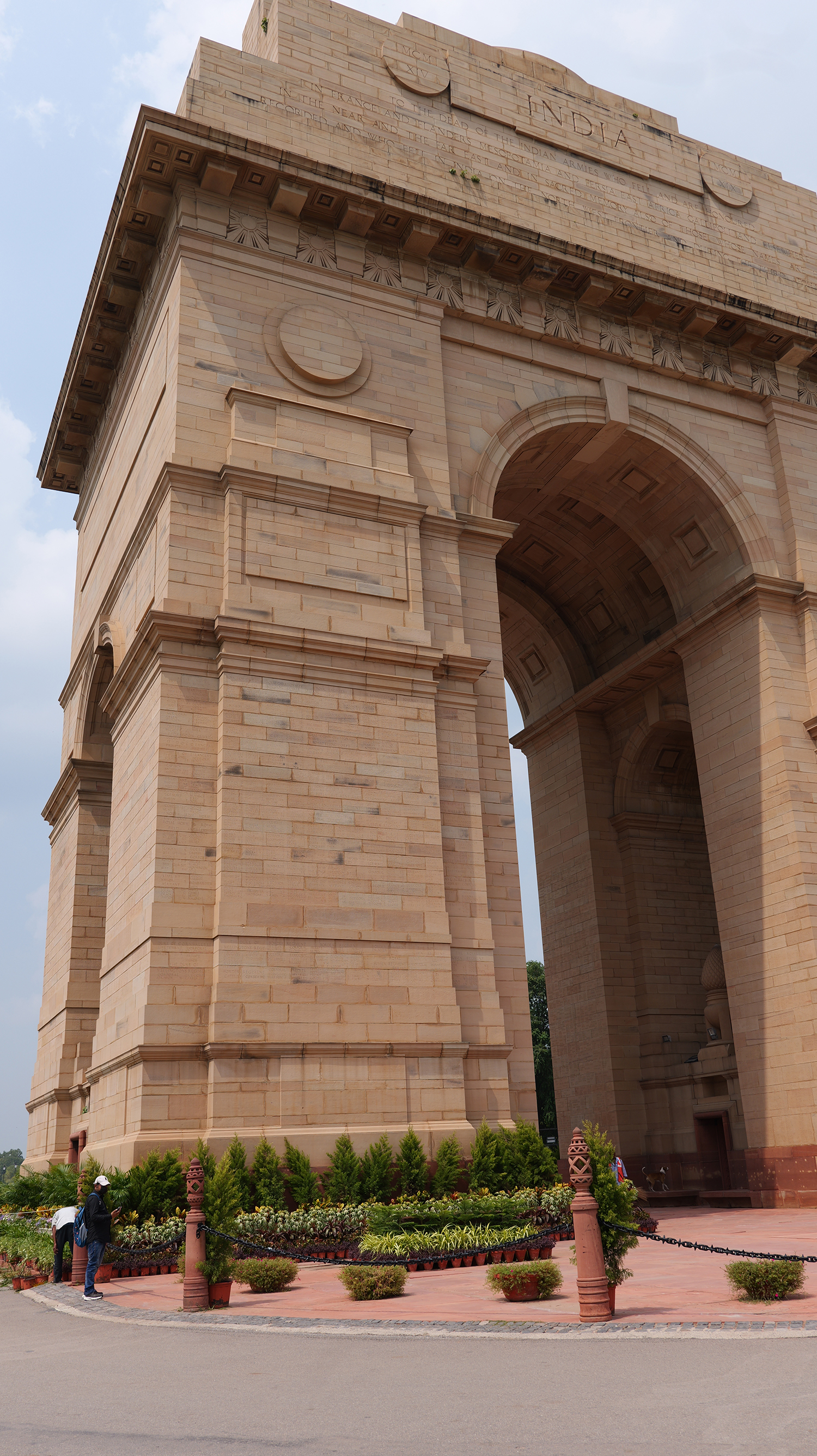
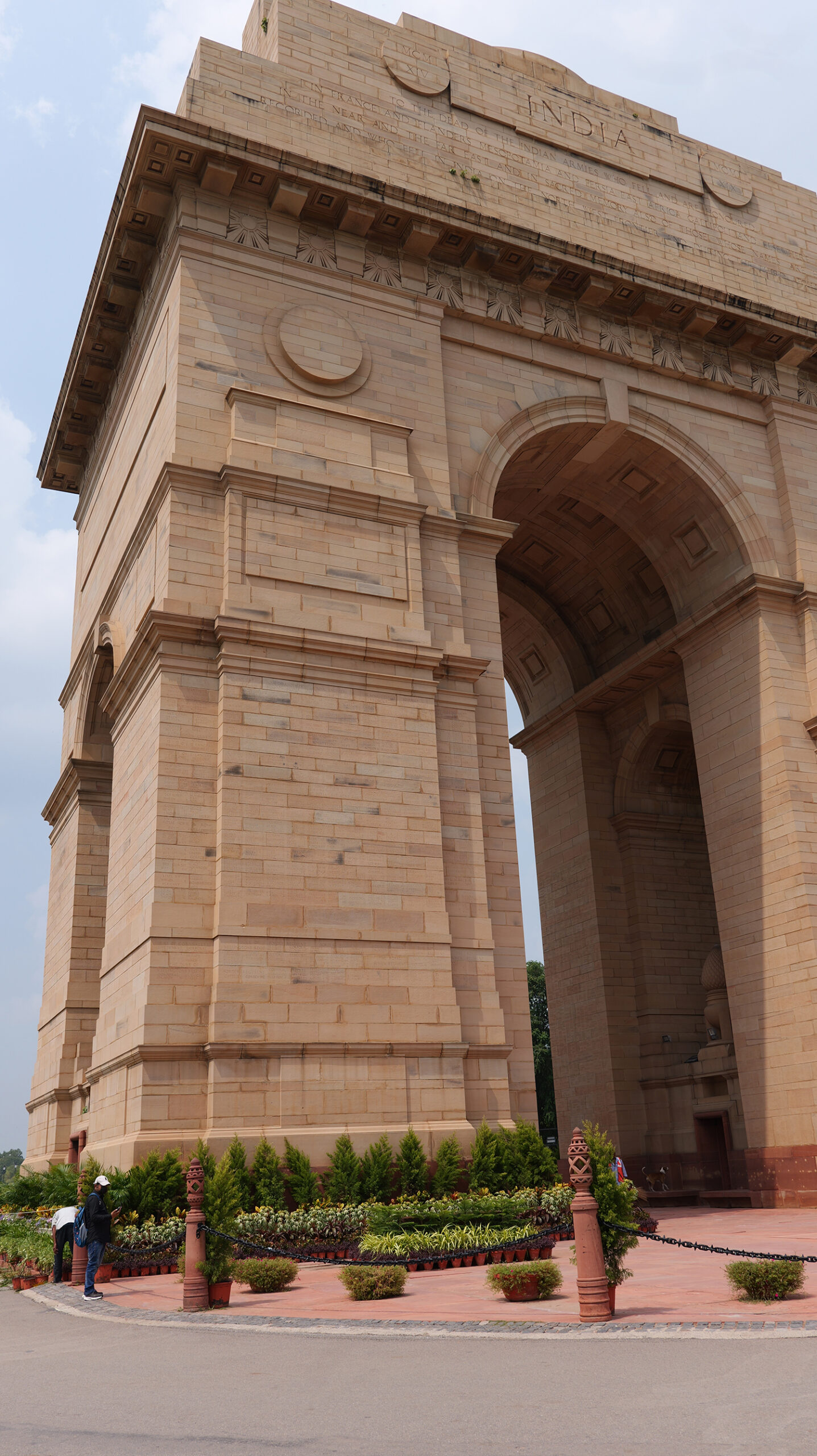
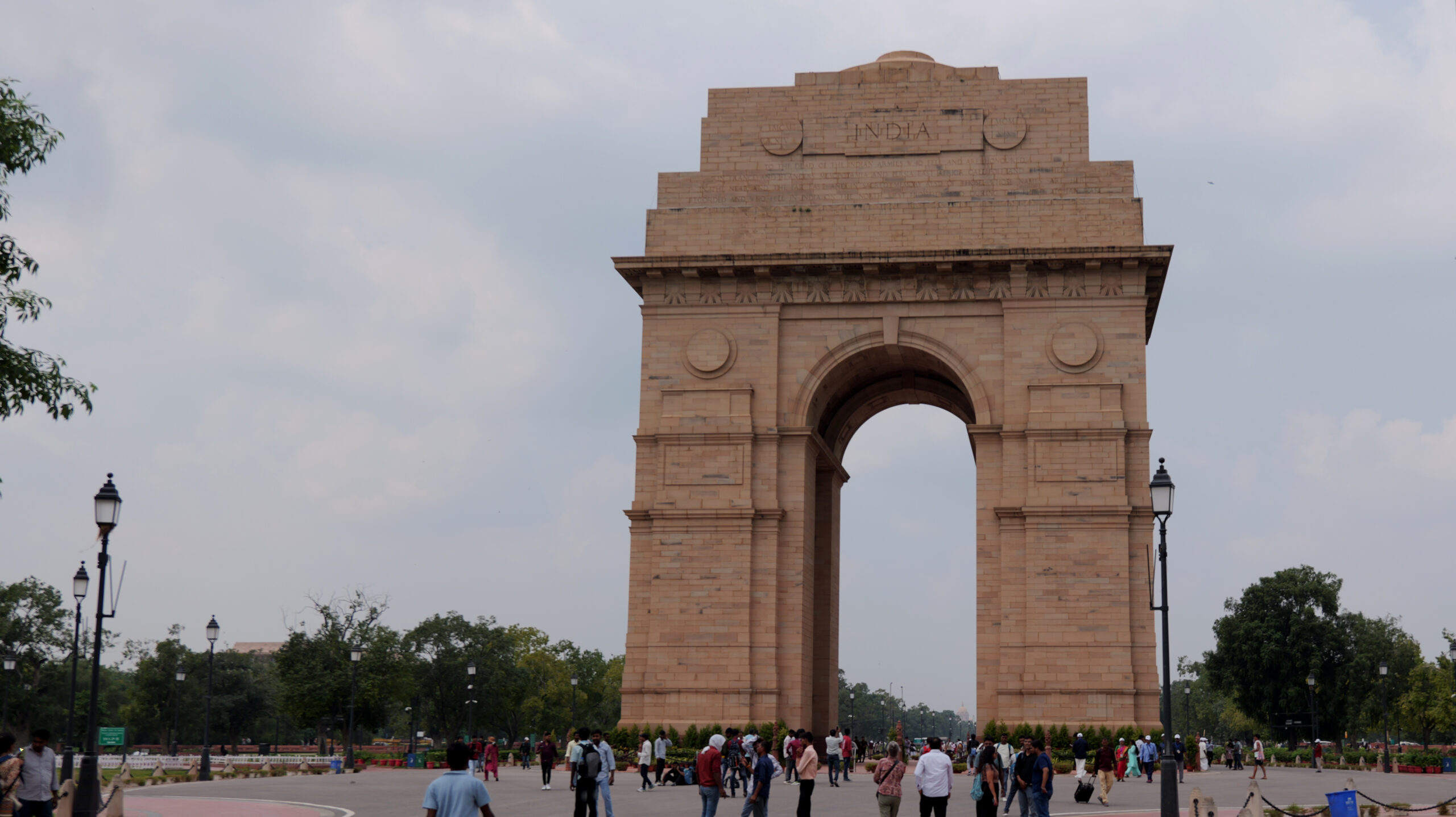
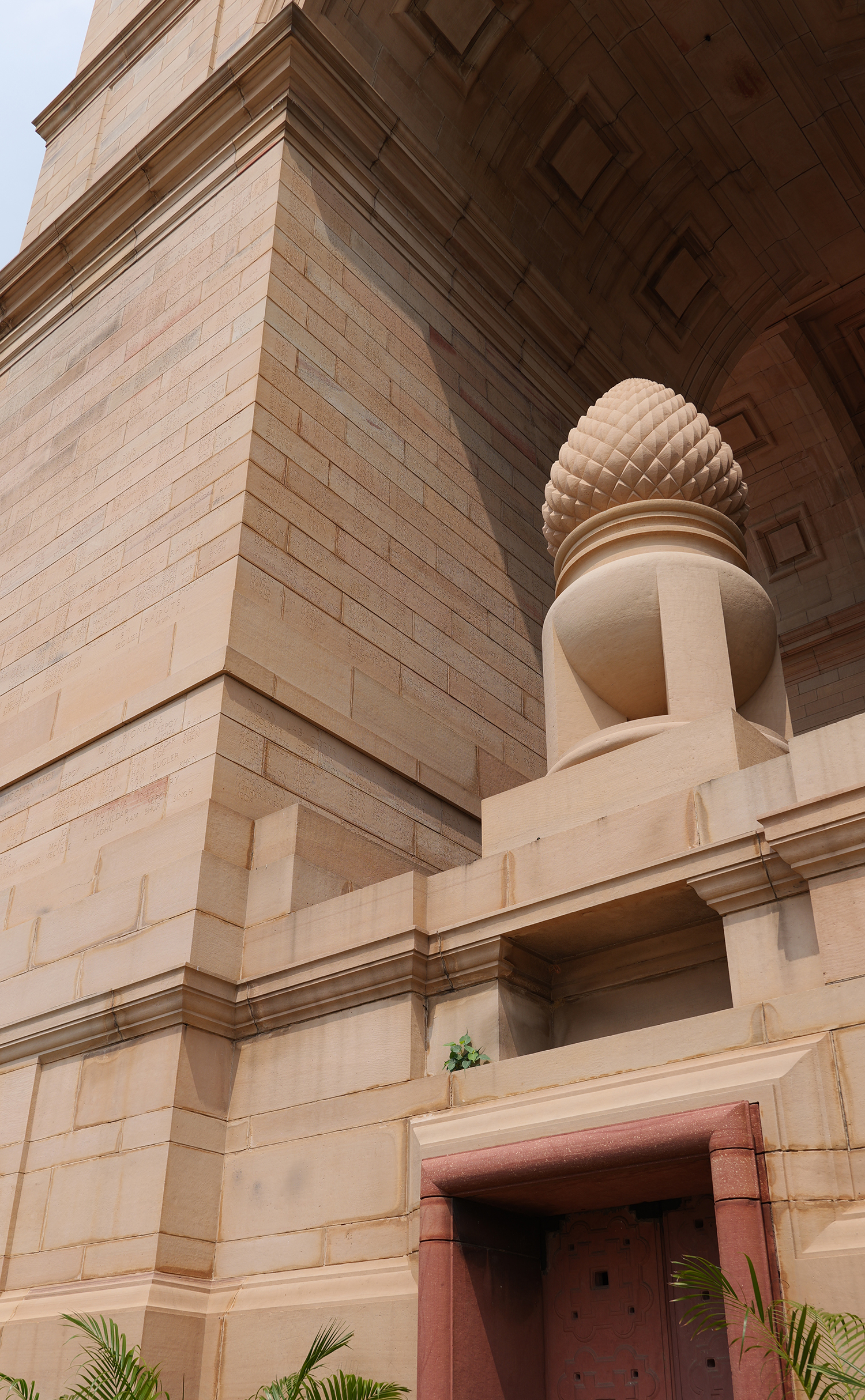
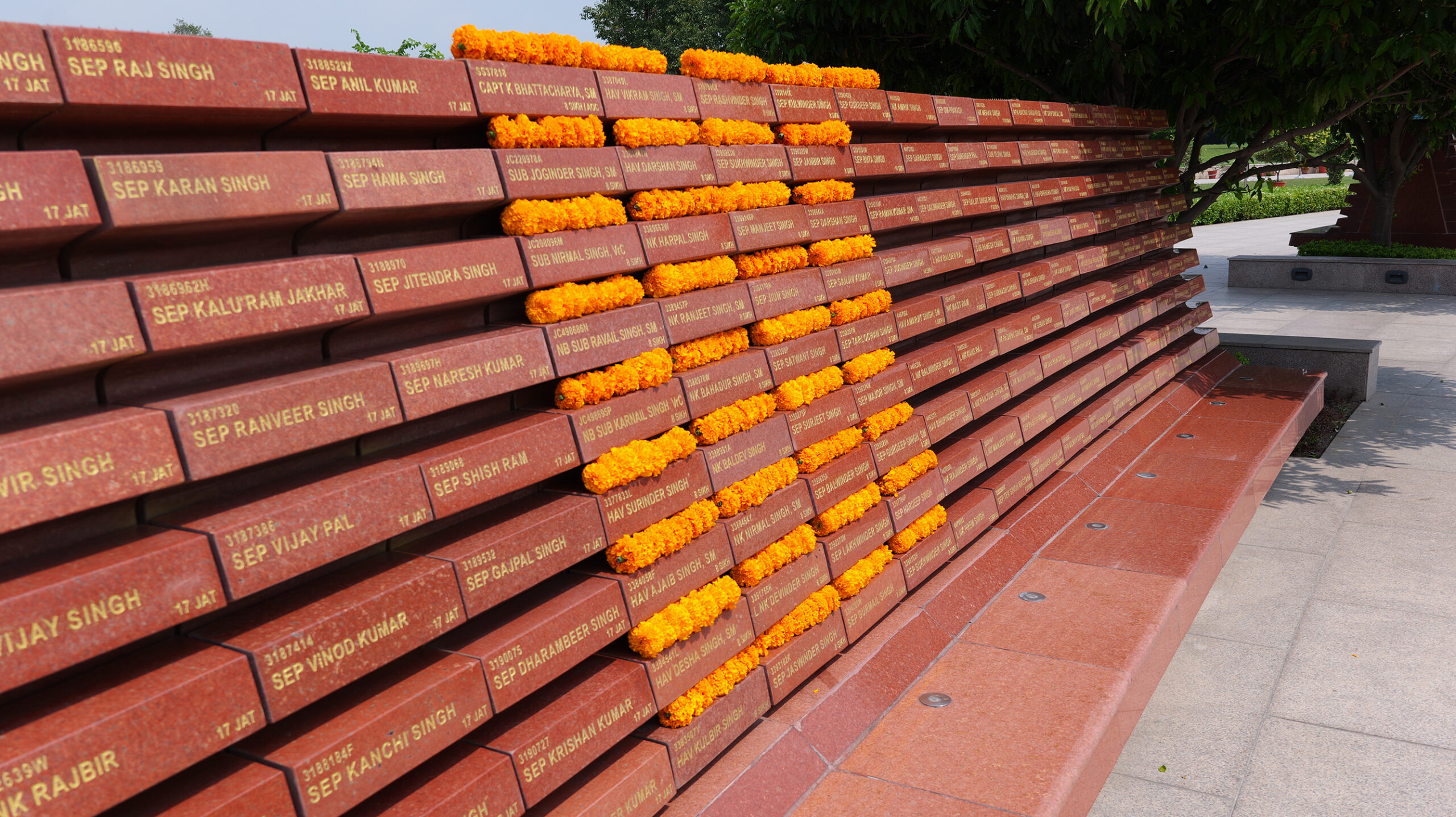
On our second day in India, a little less worse for the wear, we are off again to see some sites. Our first day was such a whirlwind that we started a bit later and headed off to New Delhi and the India Gate. The India Gate is a war memorial built between 1921 and 1931 to memorialize the Indian soldiers that died in WWI. It is a beautiful structure, that is sometimes called “a creative re-working of the Arc de Triumph,” is built with red and yellow sandstone with some marble elements. It is adorned with lotus sculptures, names of soldiers and inscriptions. Along the side of the gate is a statue of Subhas Chandra Bose, an Indian nationalist who defied British authority, who salutes the gate. On the same ground is a more recent war memorial, completed in 2019. As you will see with my images, the names of many soldiers who have lost their lives are inscribed throughout this memorial.
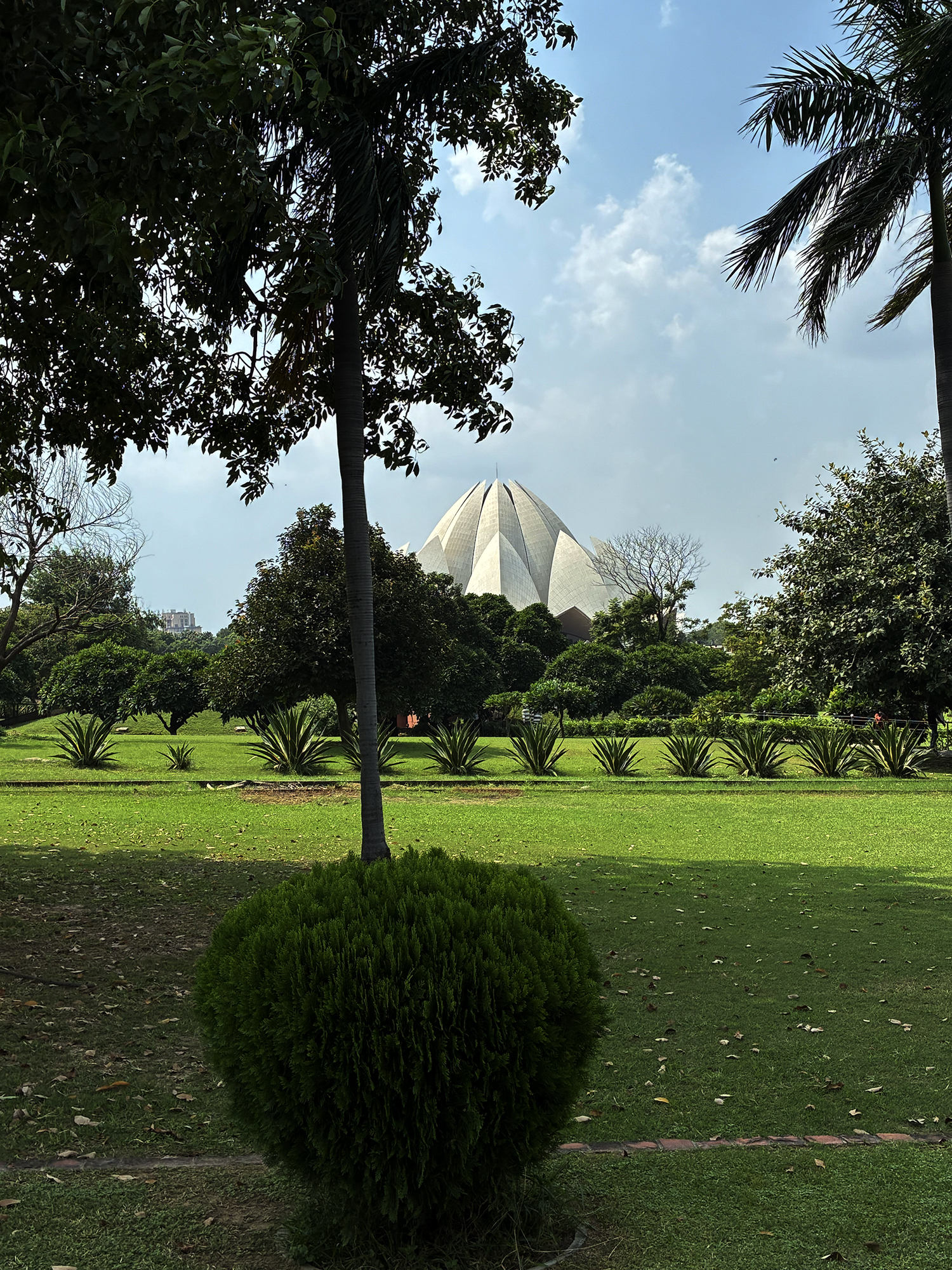
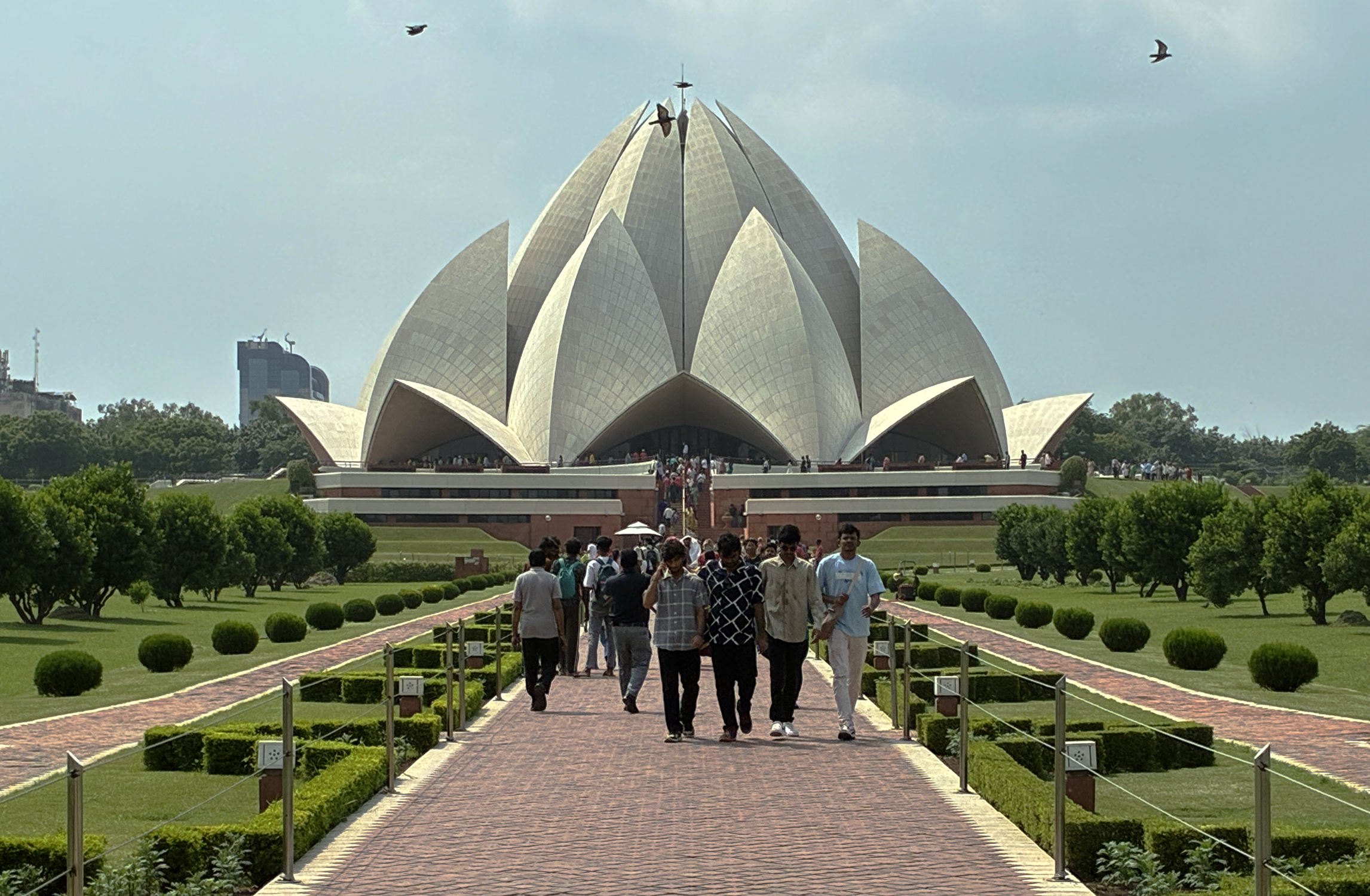
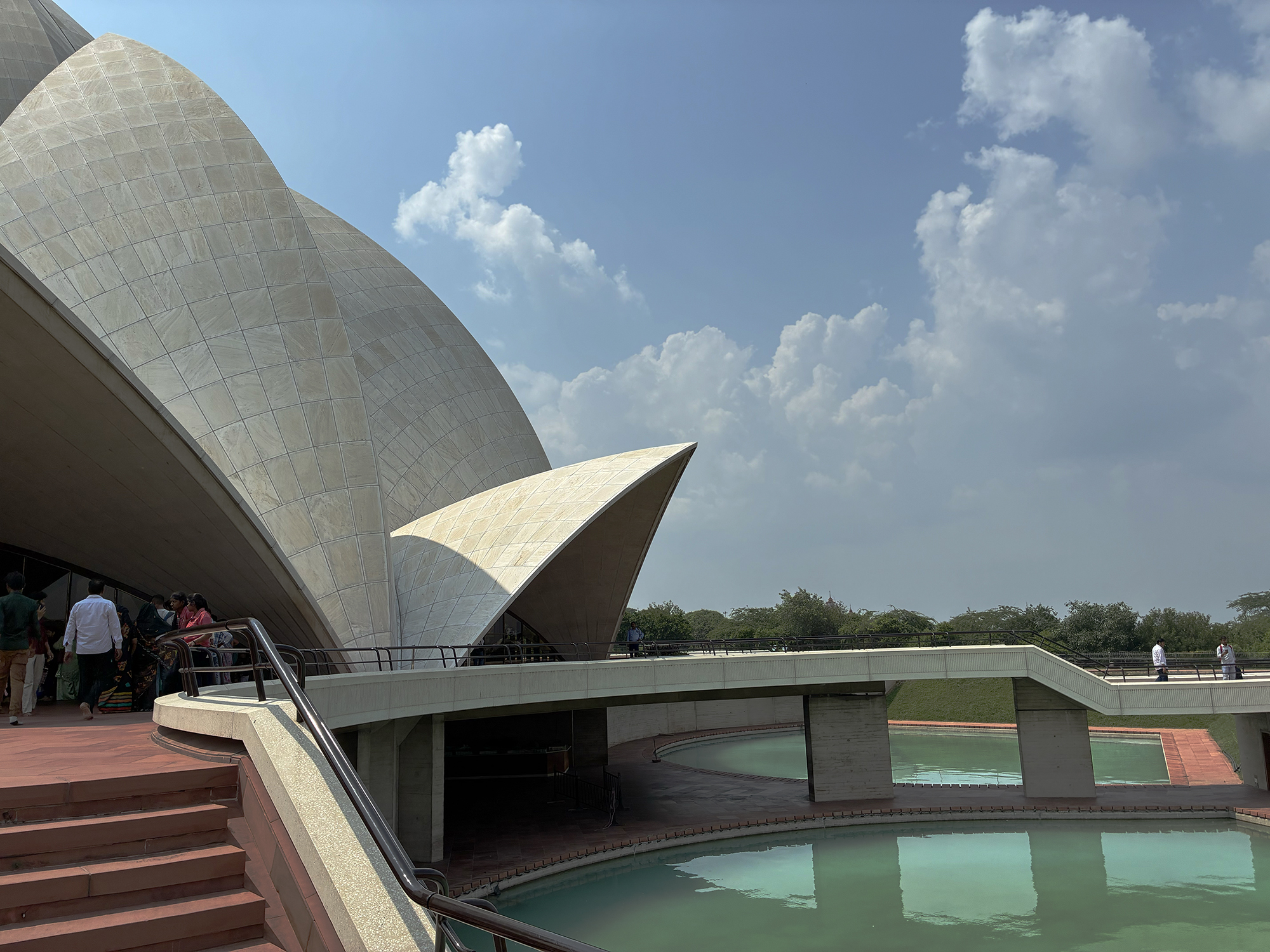
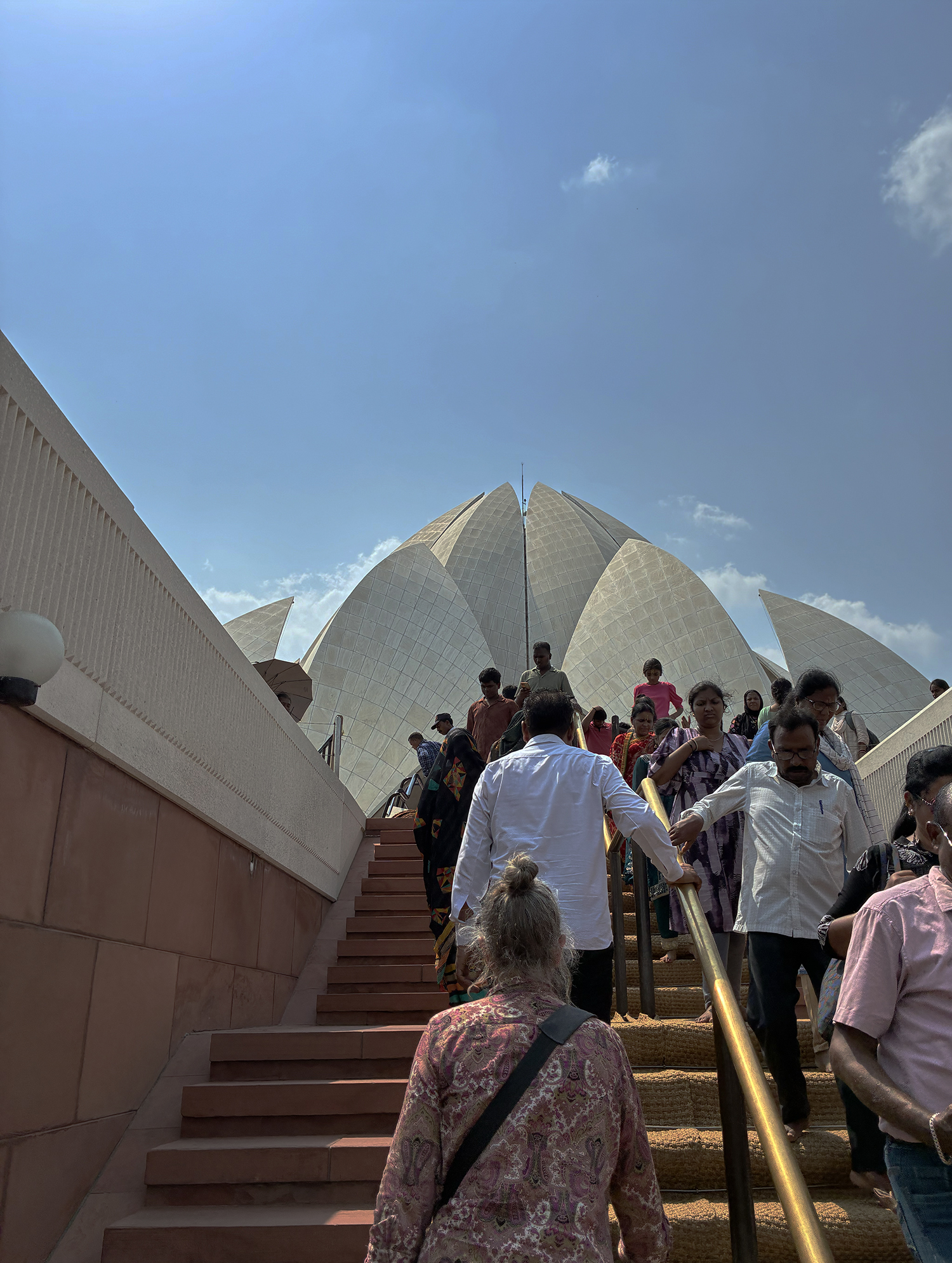
Our second visit of the day was to the Lotus Temple, a Baha’i house of worship, also in New Delhi. This temple is open to people of any religion or status. Once you arrive to the space, you leave your shoes before entering and walk along a long bamboo woven rug. Once entering the temple you sit in silence for up to 15 minutes. The Baha’i faith originated in the 19th century in Iran believes in the worth of all religions and the unity of all people. I can get behind the notions of the faith in that it believes in explicitly rejecting racism, sexism and nationalism.
The Food!
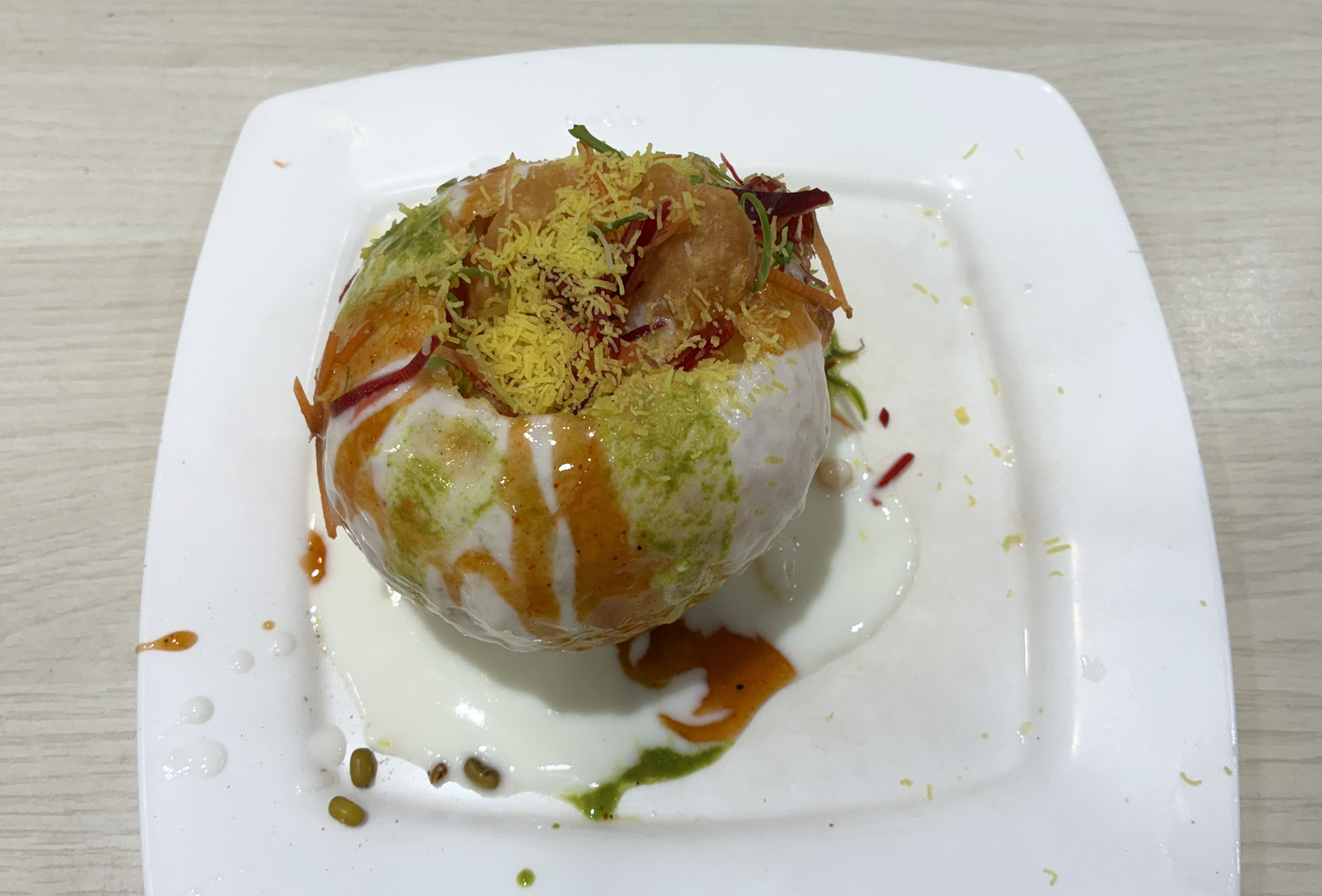
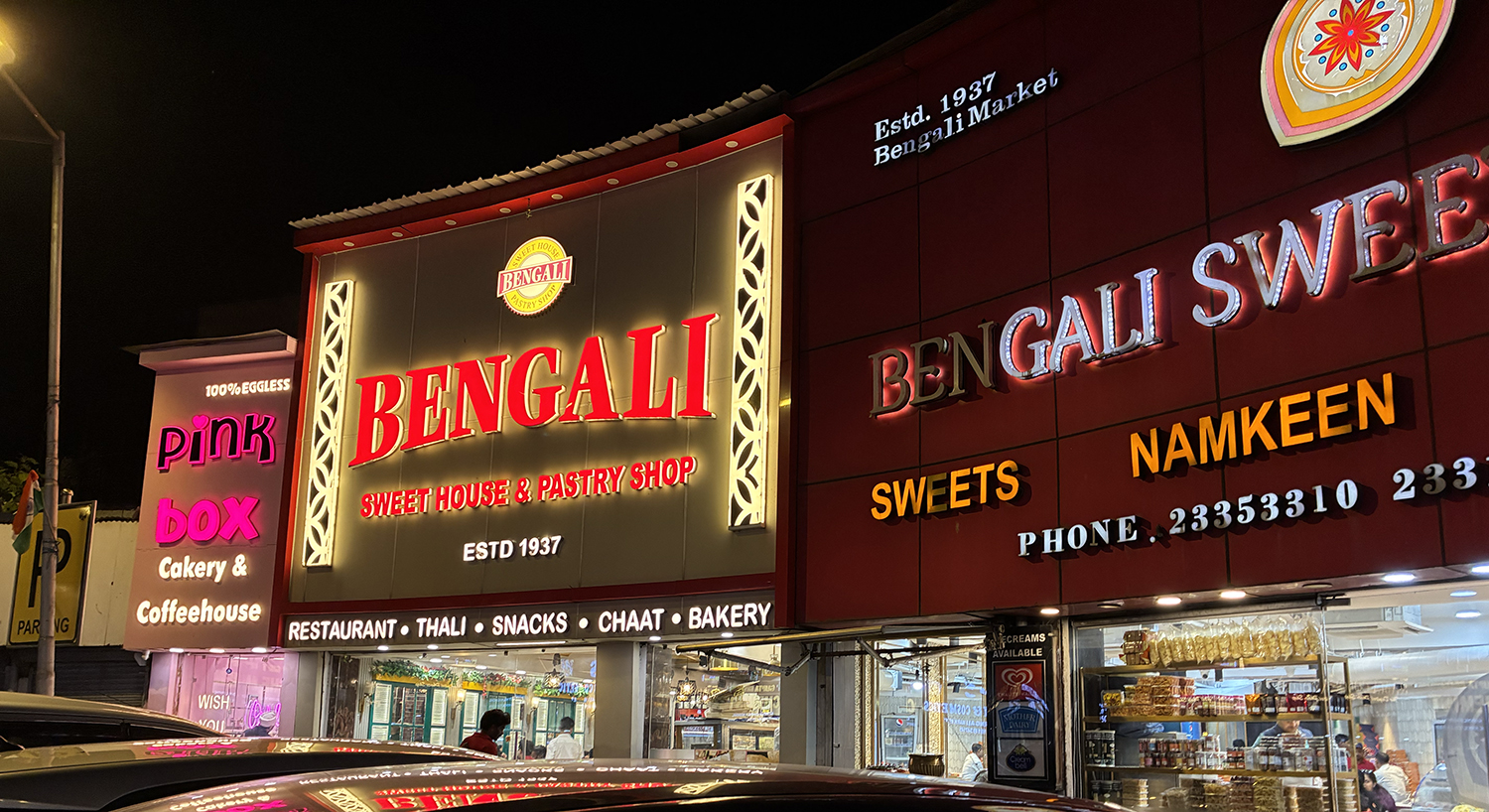
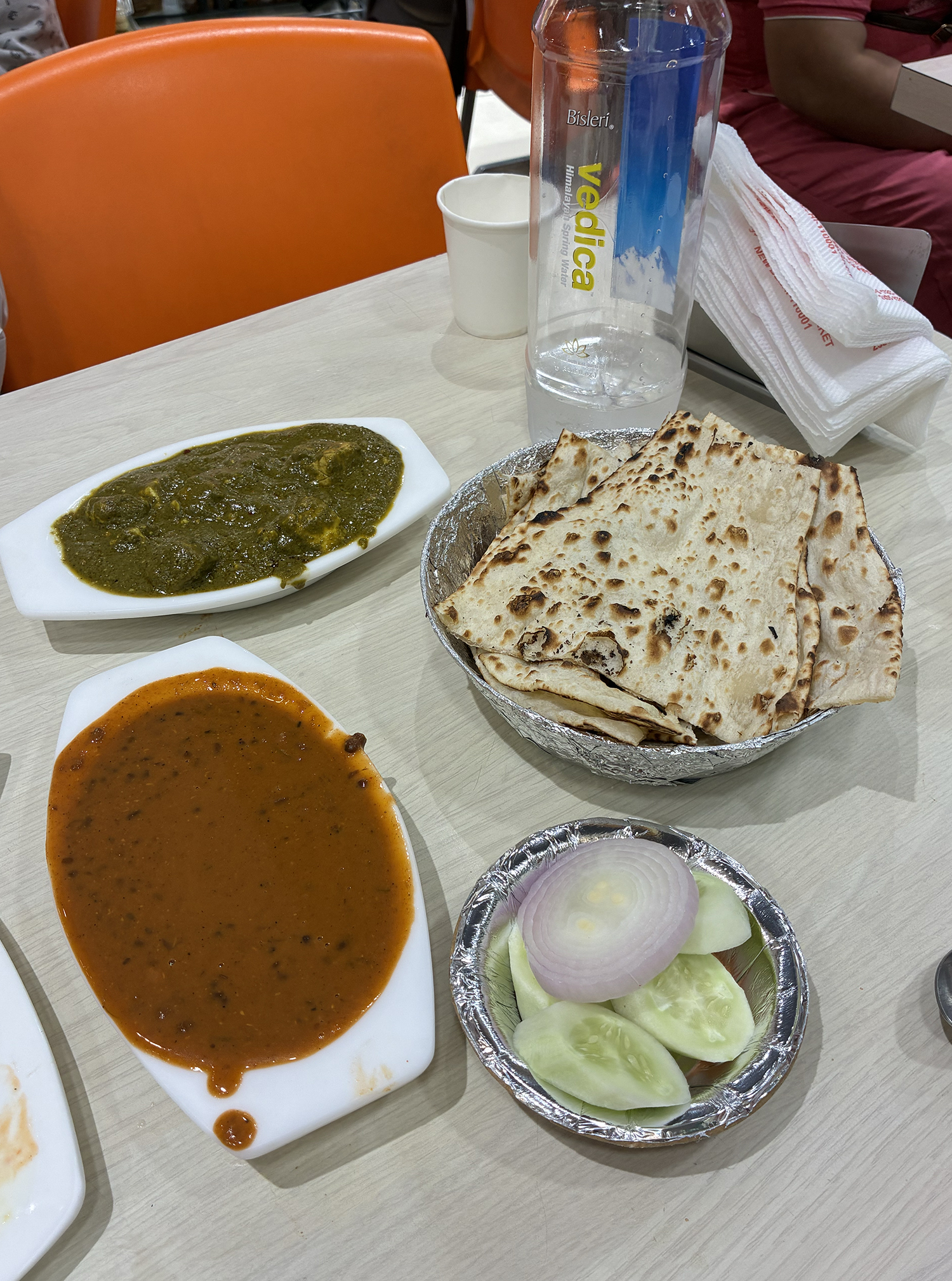
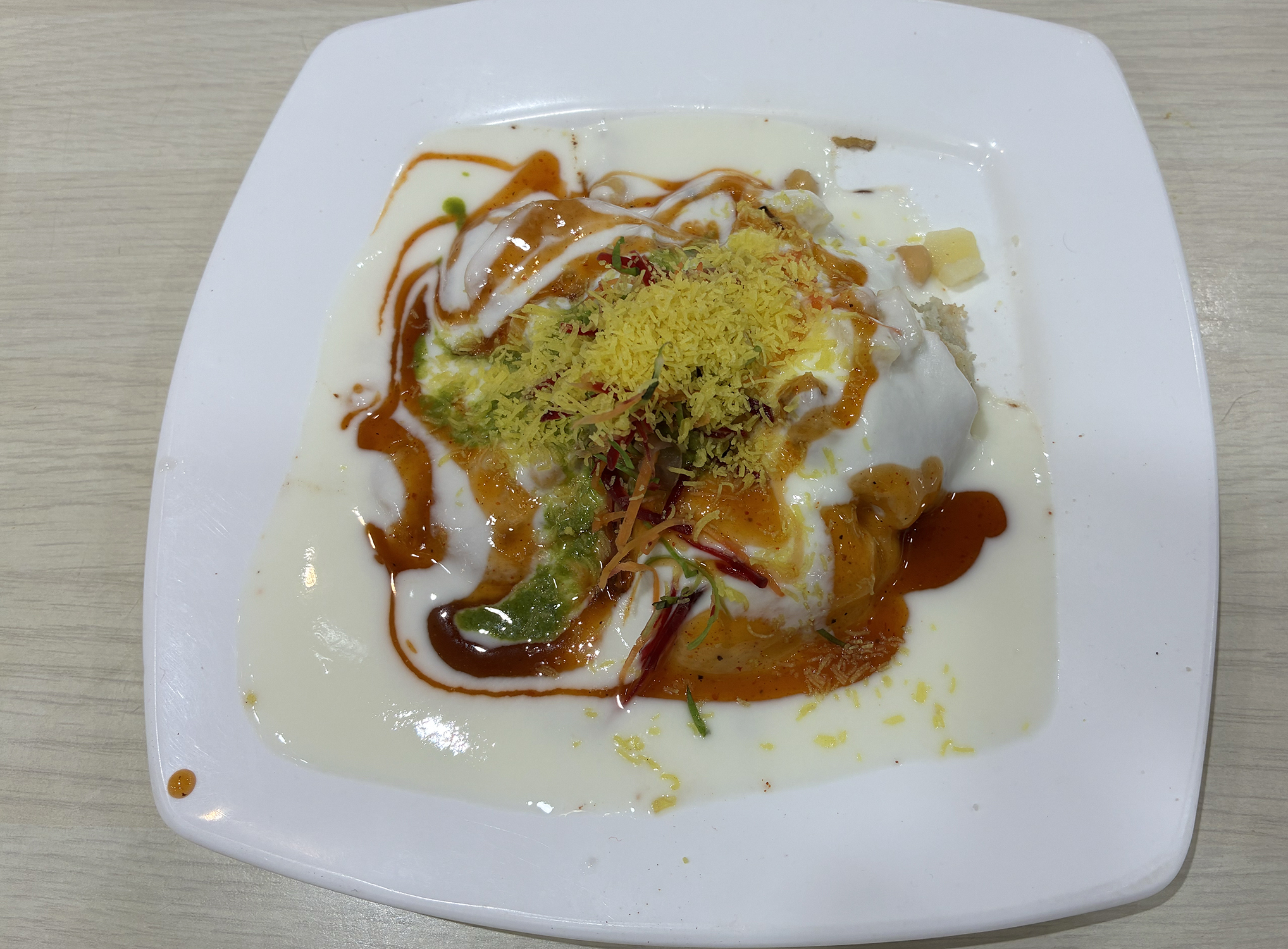
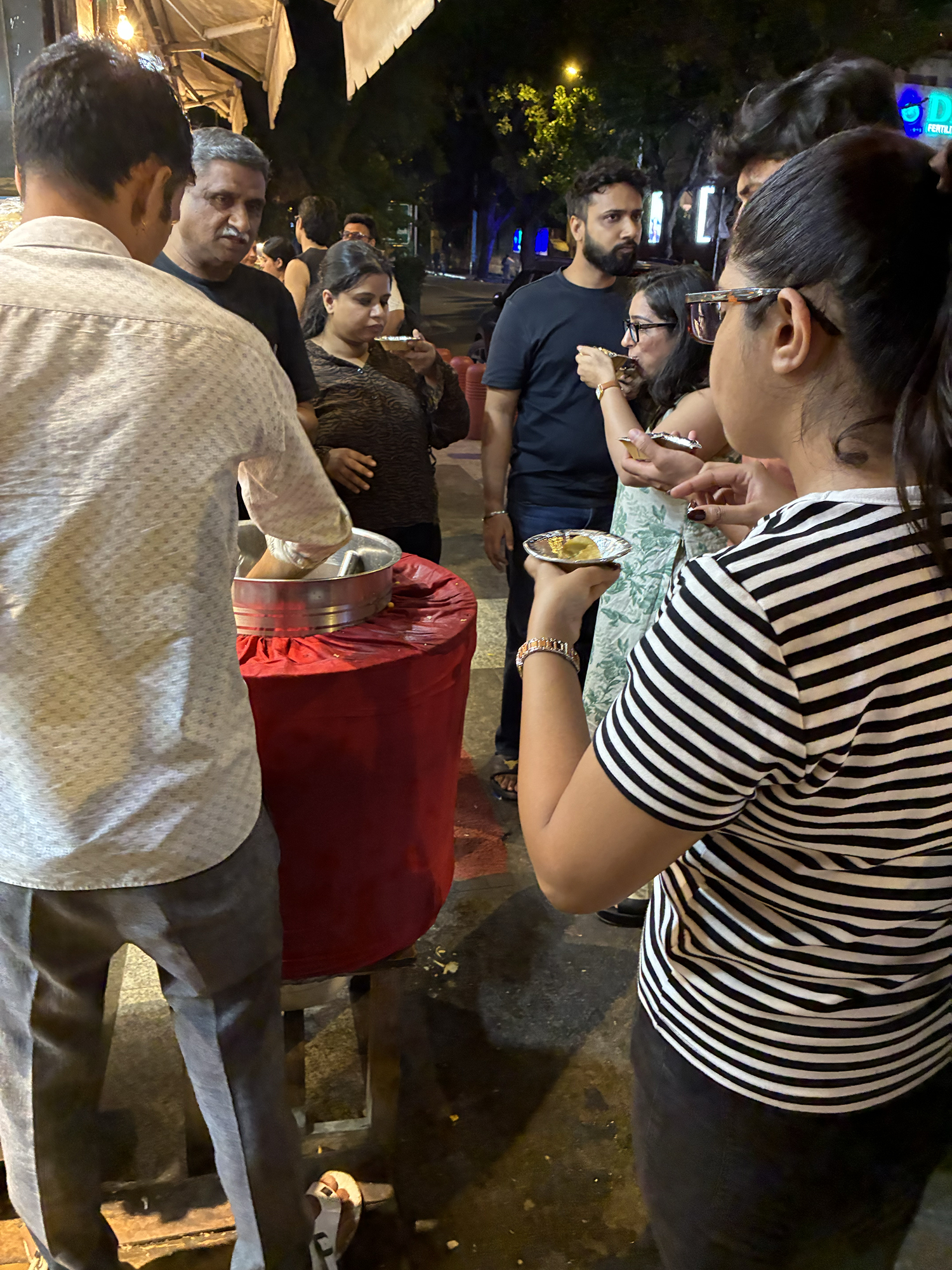
You will see images below of some of the food we have enjoyed during these days here but our best experience by far was when Garmeet took us to Bengali Sweets, a shop that started with sweets only but expanded to serve all sorts of Indian fare. We enjoyed many different foods including, a mixed chaat, dal, palak paneer and raj kachori (a chaat layered with many different flavors) and of course naan. For three of us with all those different foods it was $12 US. When we left, we had pani puri, a fried shell filled with a mixture of spiced potatoes, chickpeas, and onions, which is then dipped in or filled with flavored, tangy water (pani) made from tamarind or mint and spices.
Day 3: Red Fort, Old Delhi and Hindu Temple
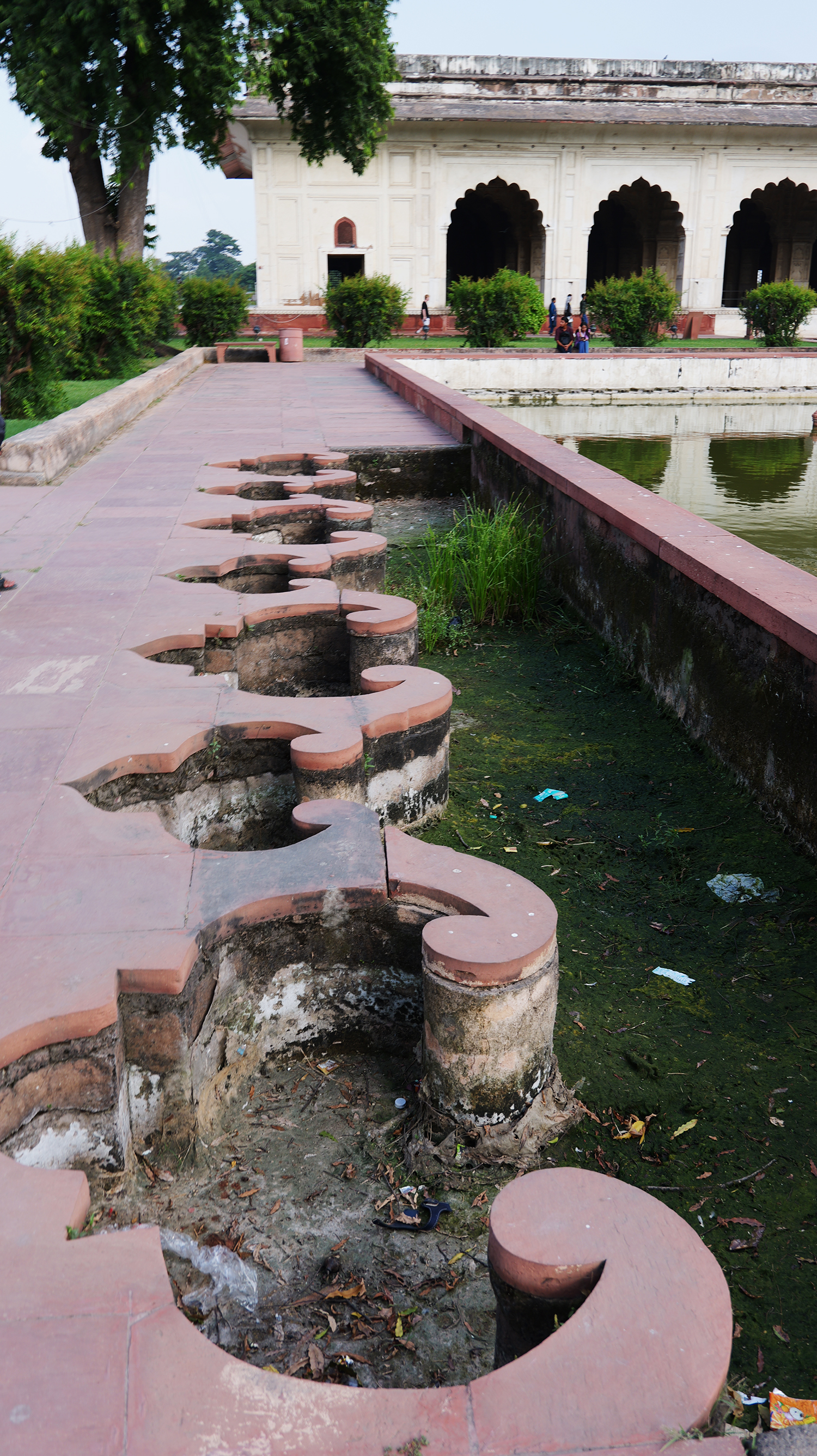
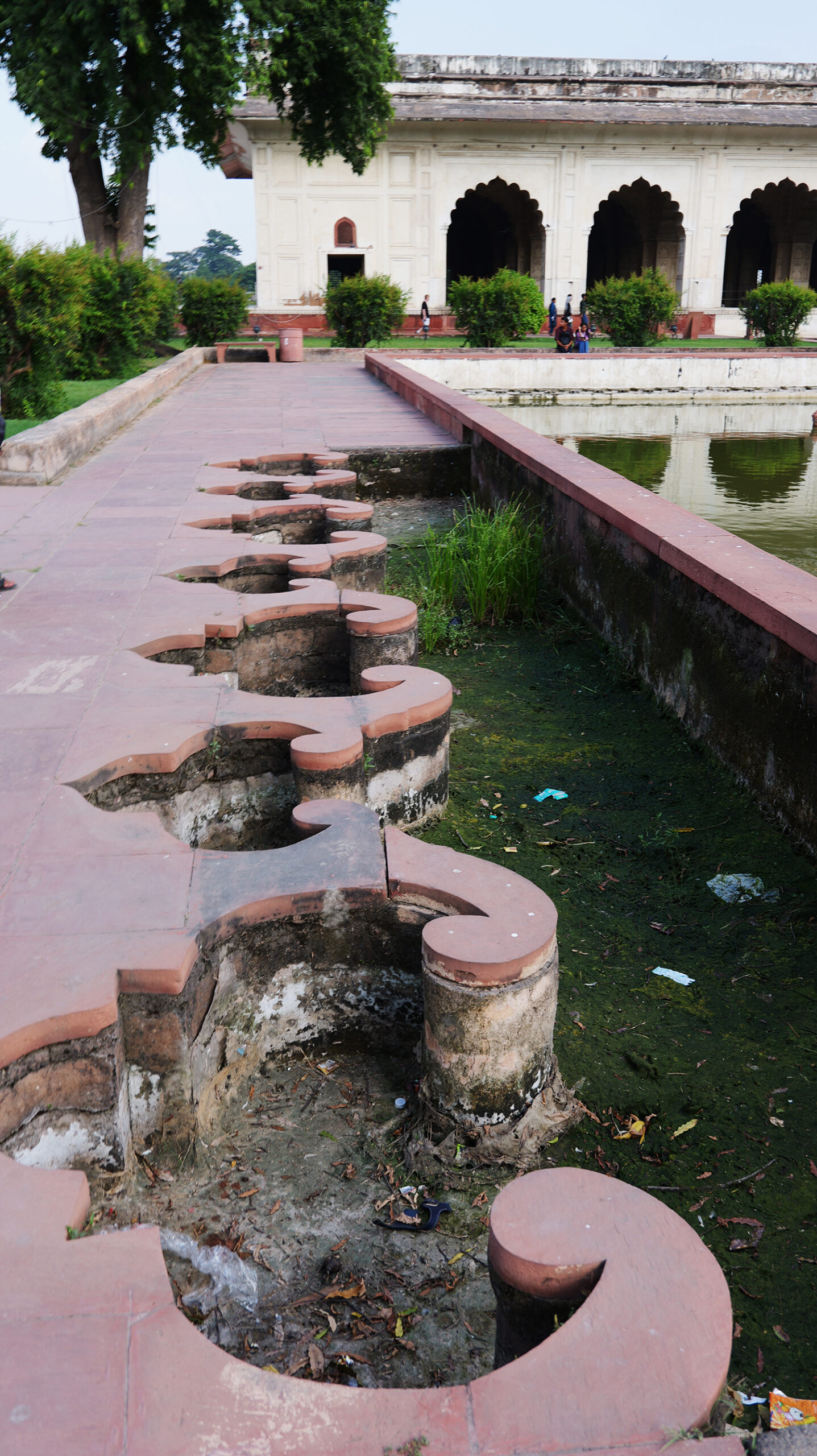
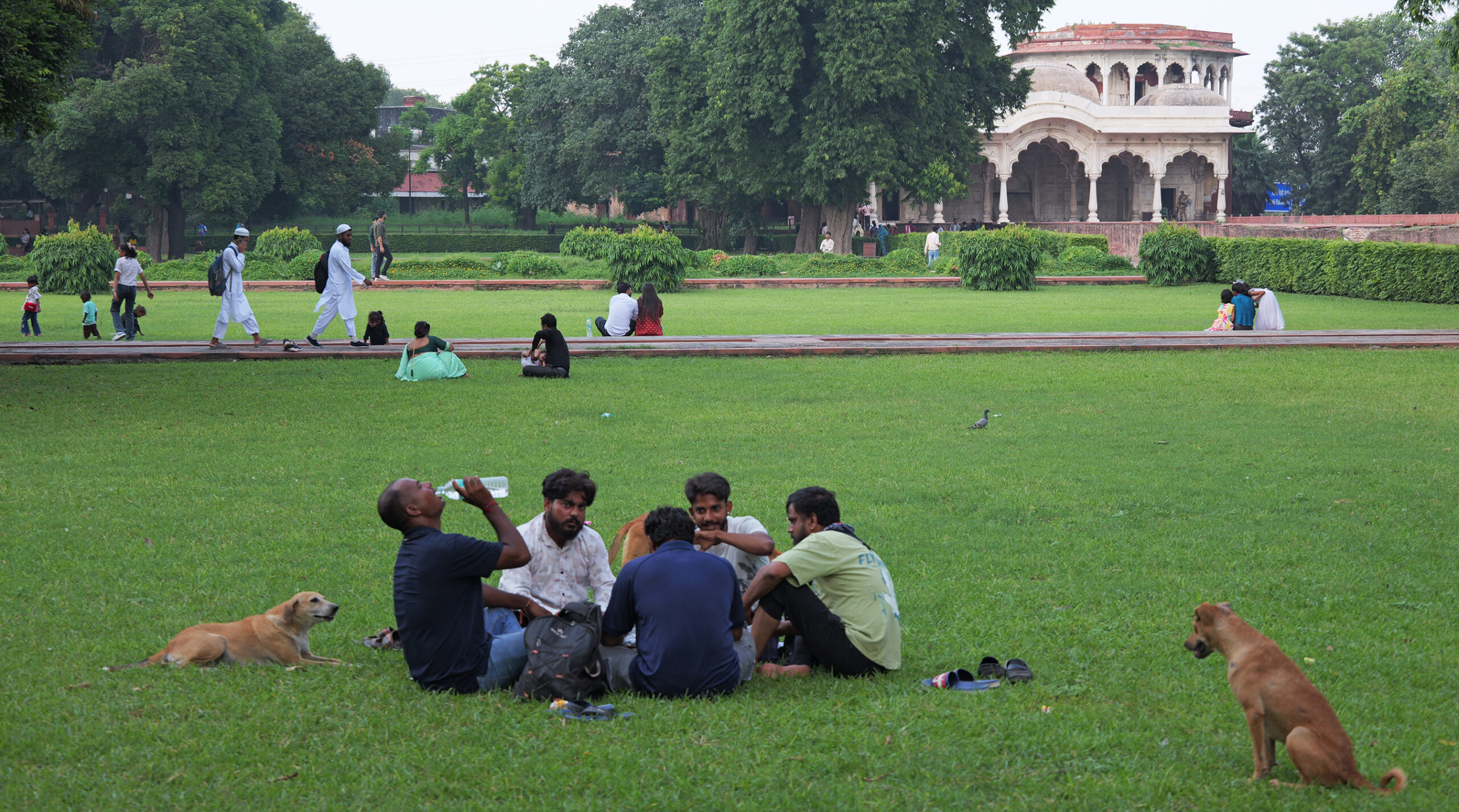
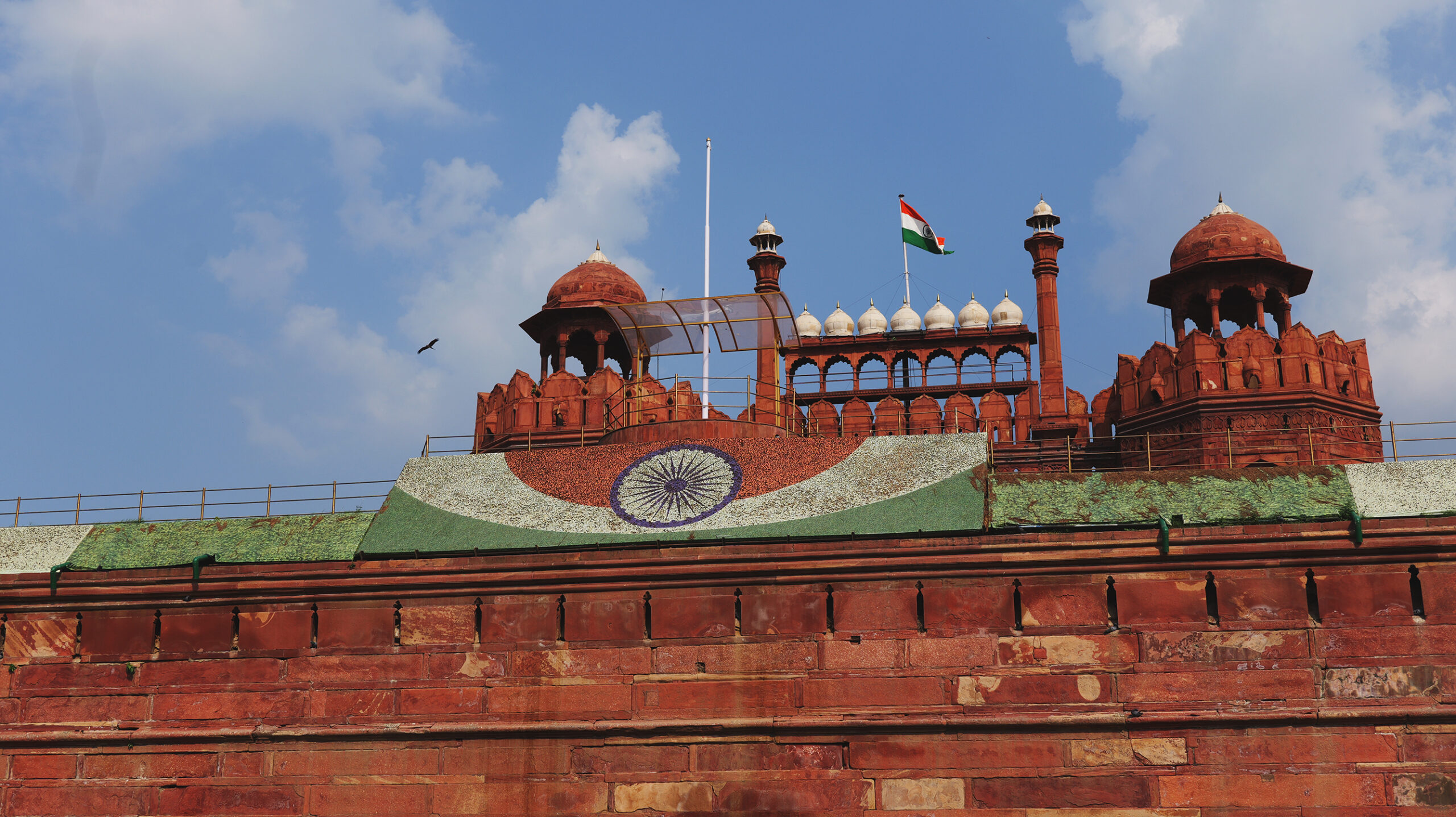
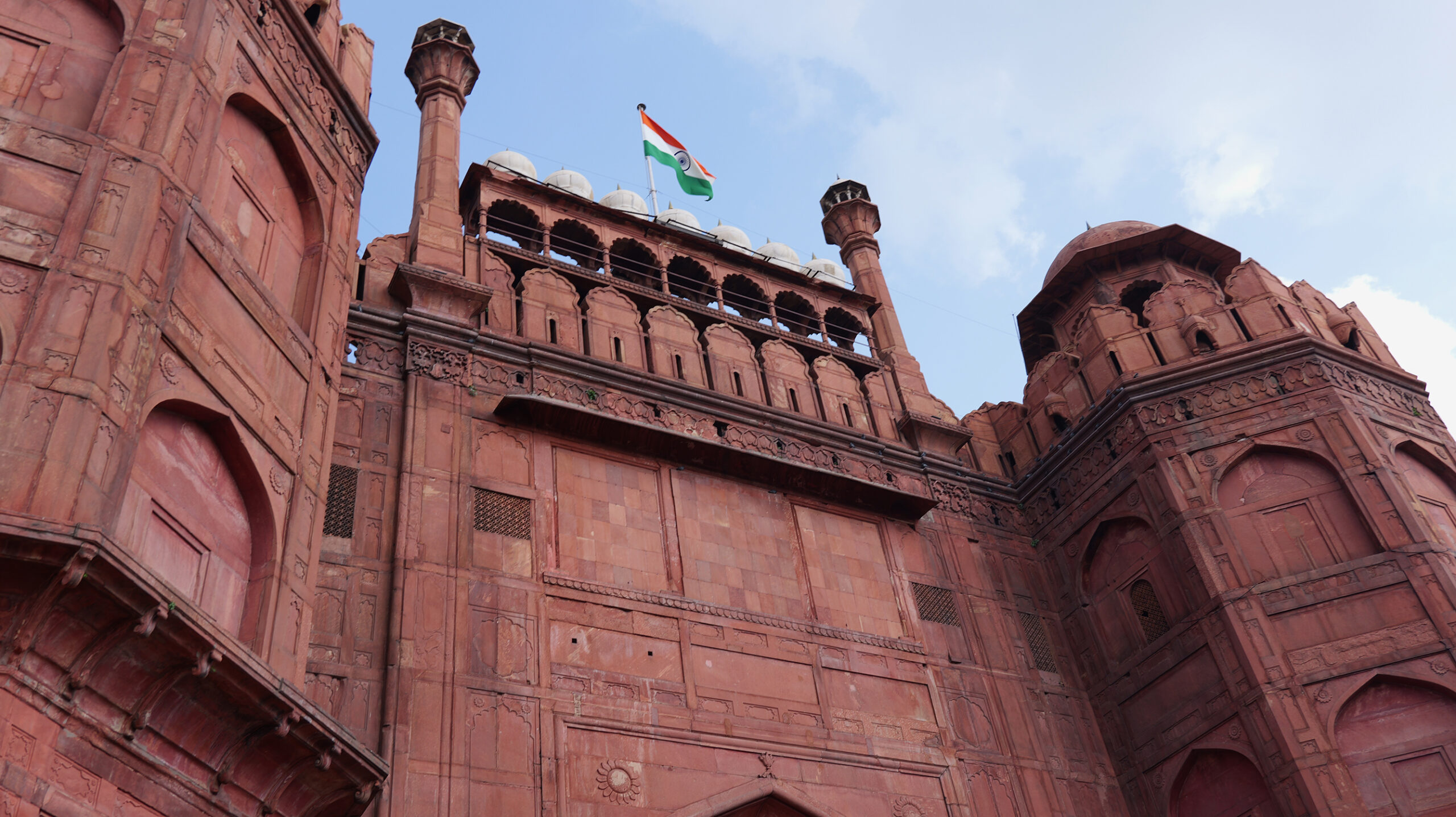
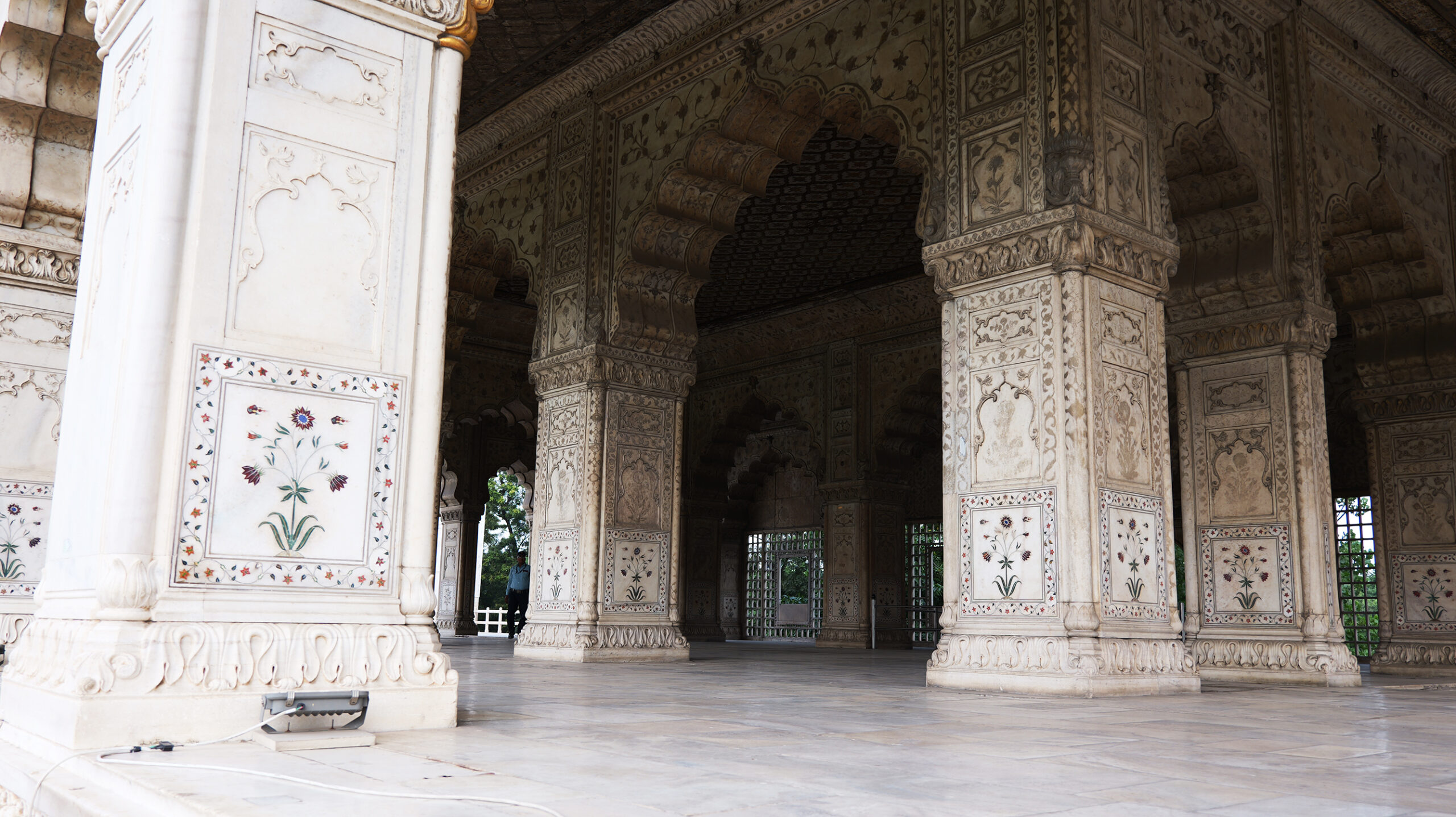
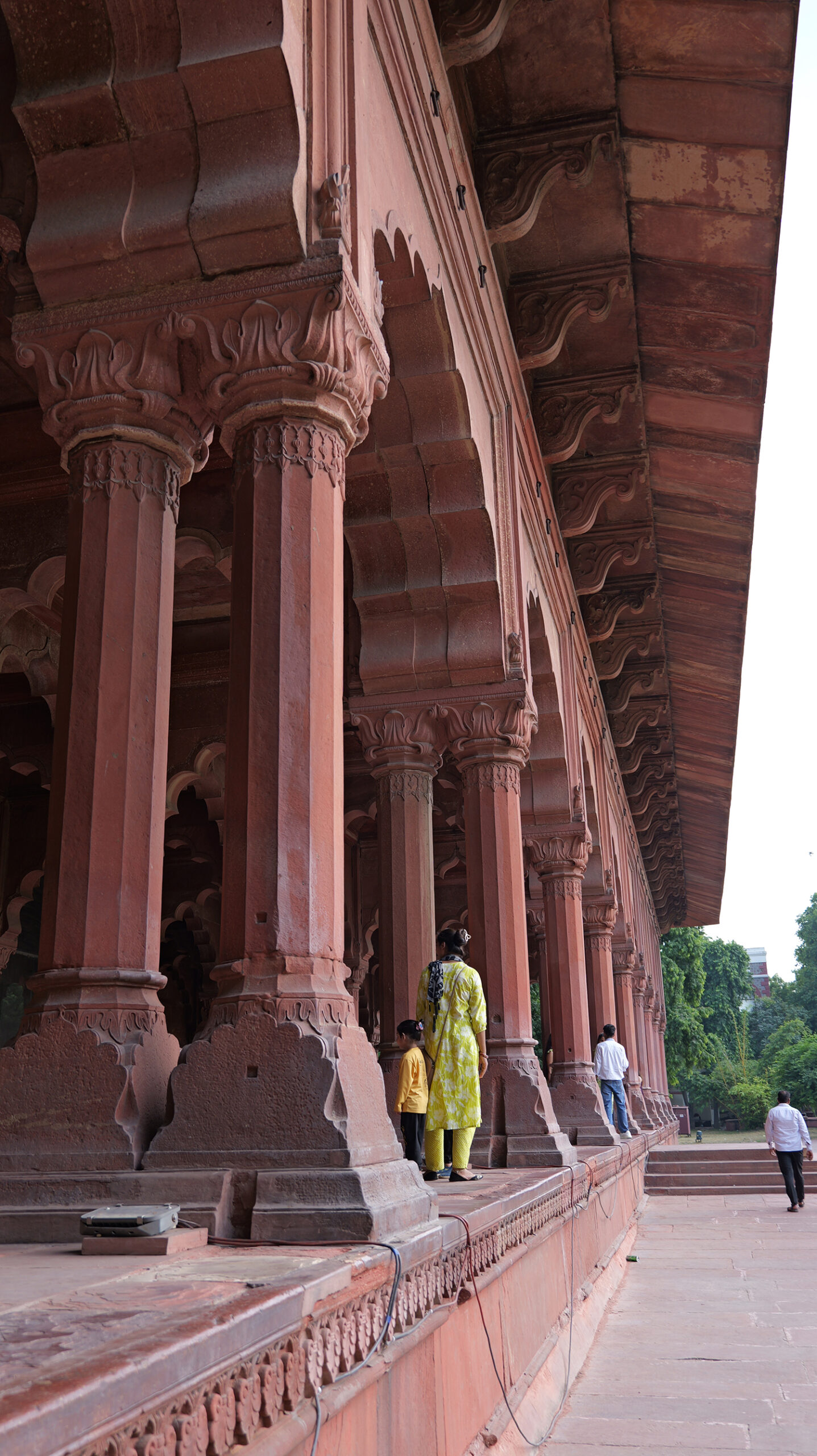
Ok, first off, this was the first day that I was feeling a little tummy funny…I suspect it wasn’t the real Delhi belly we have heard about because I just felt a little bad and had a few moments of you know what. It is always hot as well so that posed a challenge as well. However, our guide, Garmeet, took good care of us all day, making sure we didn’t have to walk too far in the heat, had enough water and had good transportation from one place to another. We tried two other forms of transportation to get us to where we need to be…an auto-rickshaw which is electric and an old-fashioned bicycle rickshaw…more on that later. The Red Fort is in Old Delhi, was built in 1639 and housed Mughal emperors. It is a compound, like Qutub Minar but is very different. The outside structure and walls that protect the space are made of red sandstone as well as some inside structure but there is plenty of beautifully inlaid marble as well. You will see many images of the various structures inside the compound…really quite amazing.
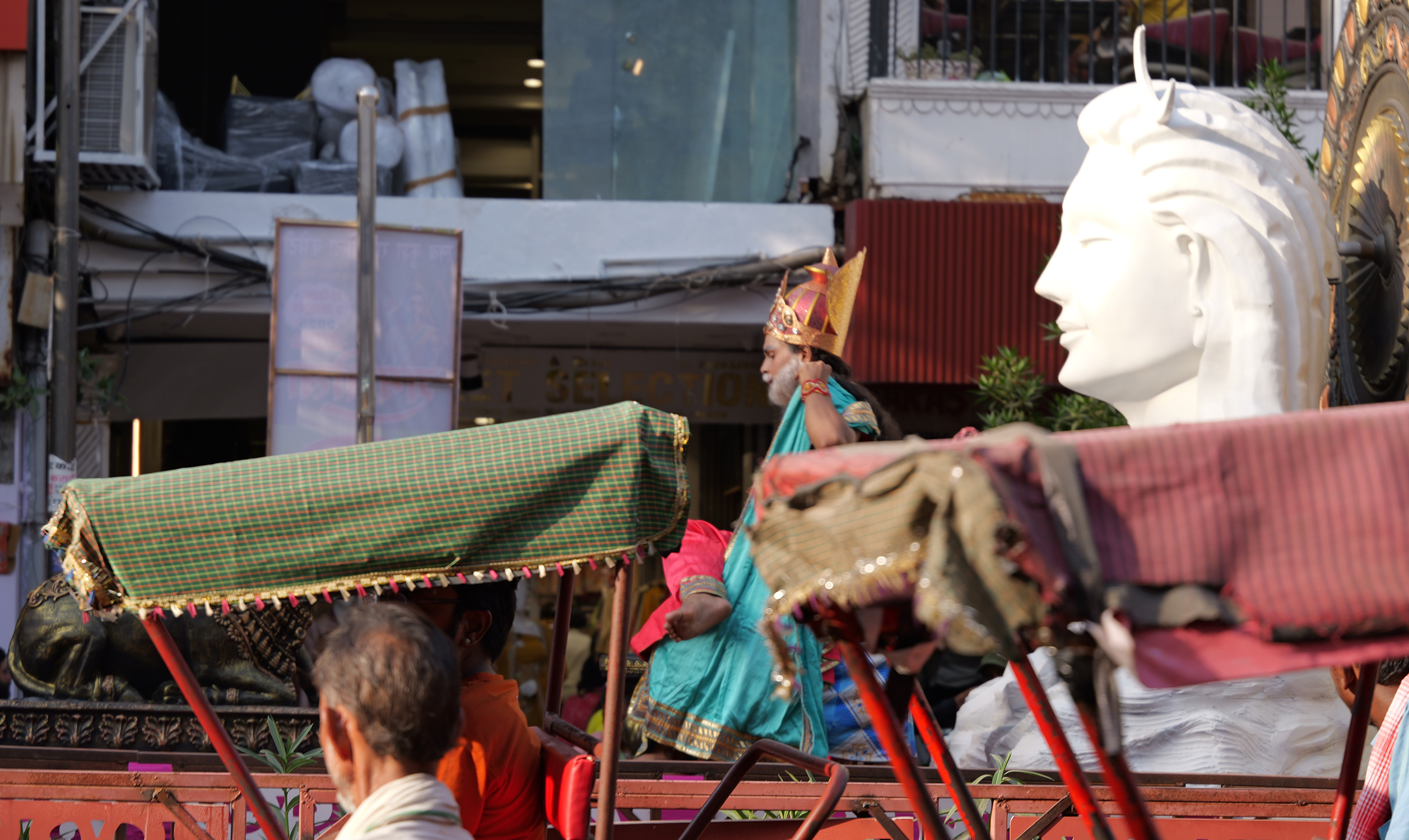
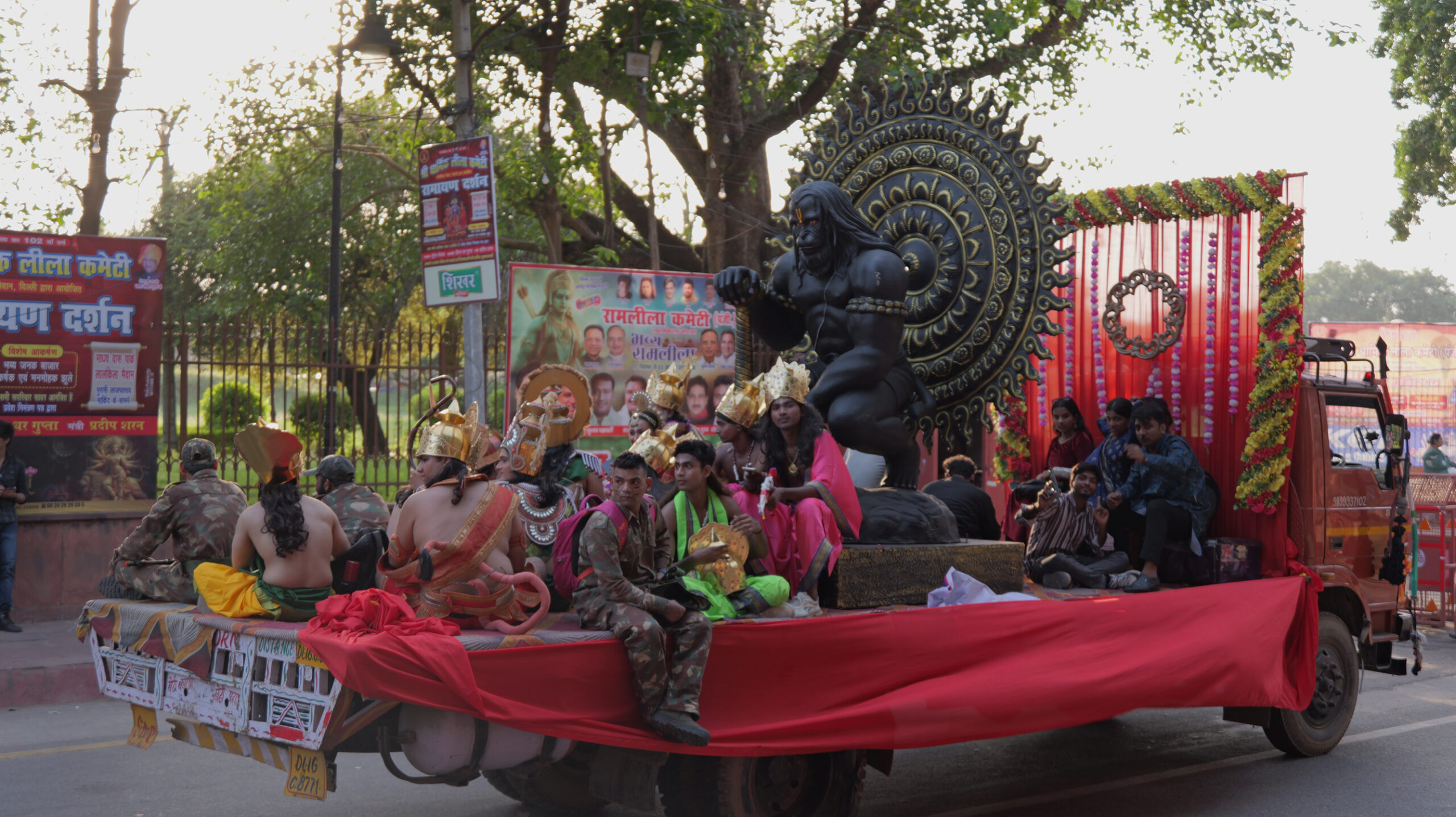
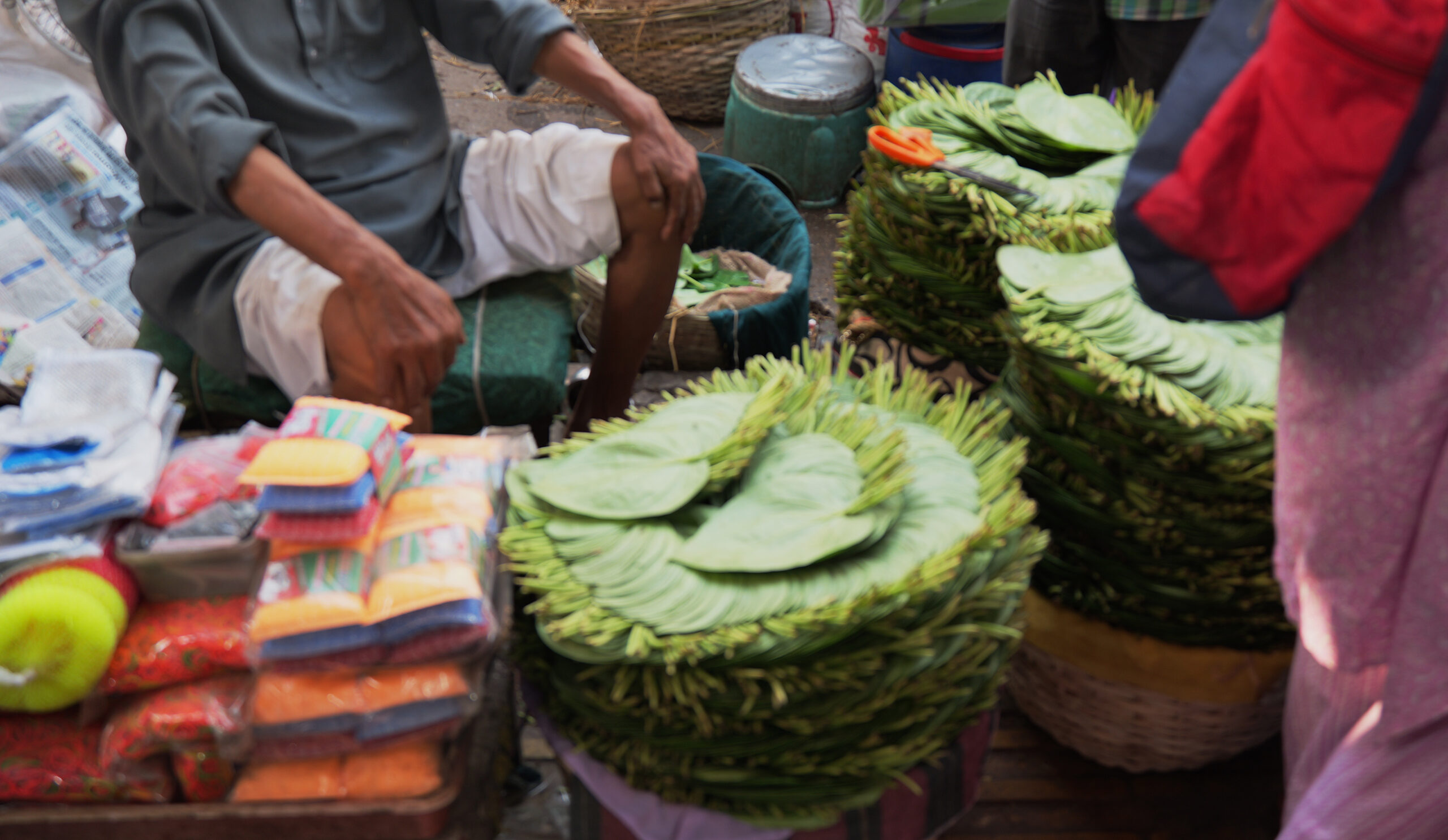
Old Delhi is just outside the gates of the Red Fort. We made our way there, crossed a crazy busy Delhi street and walked into the crowded market. The market is full of colorful shops with many different types of goods in different areas, including wedding shops, auto shops, clothing and spices. Garmeet bargained for a rickshaw driver to take us directly to the spice area, but the streets were quite congested because of a special parade of Hindu Gods. It was bumper to bumper rickshaws. Eventually, we hopped out and weaved through the people to find our way there. The spice market is what you might imagine with multiple stalls selling nuts, seeds, dried fruits and various spices. Garmeet took us to his favorite spice shop where we purchased a variety of spice blends (curry, garam masala, chana masala). After, we grabbed another rickshaw to make our way back to the Fort and back to our air-conditioned car…awwwwwwwww! What an experience!
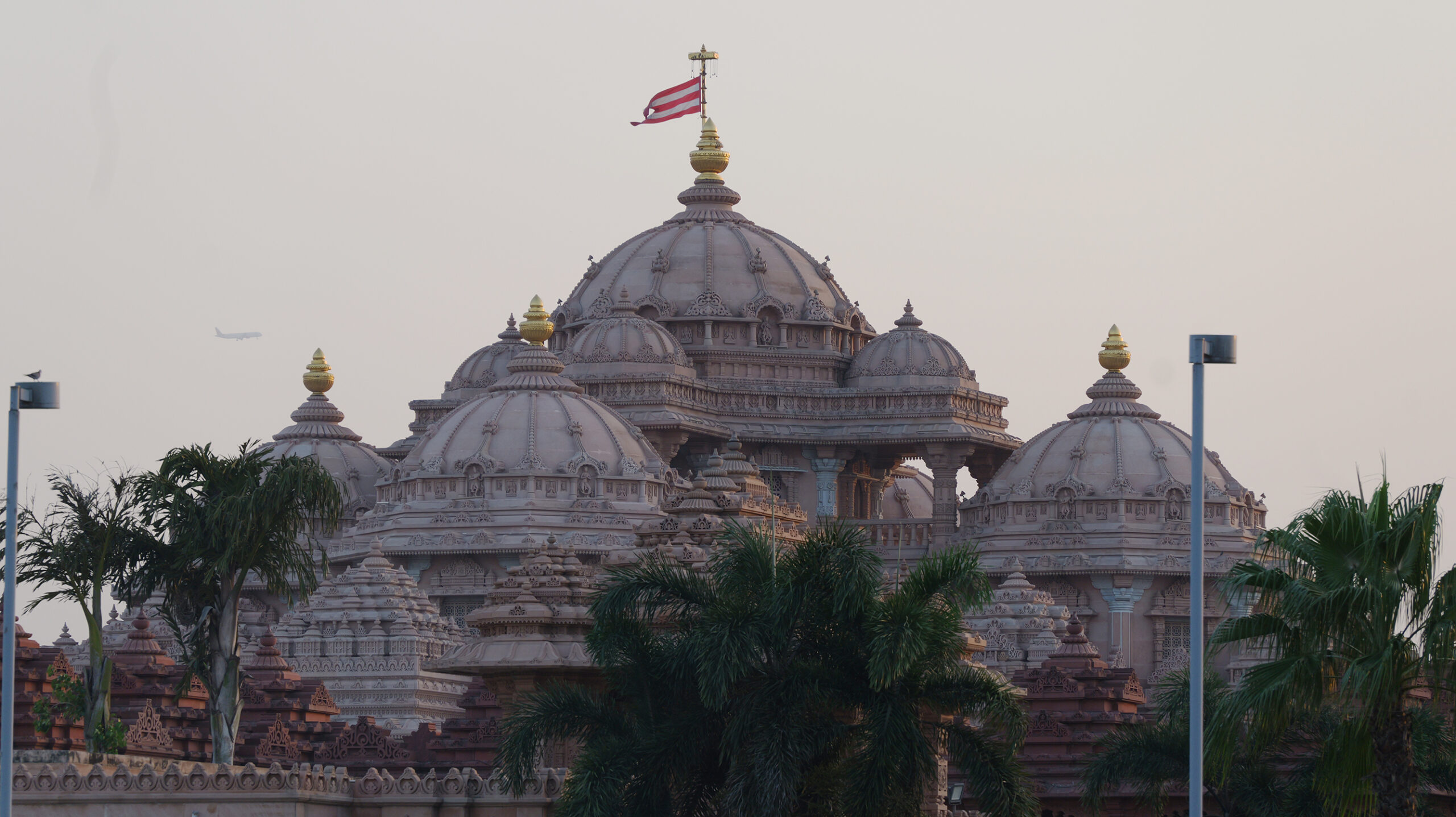
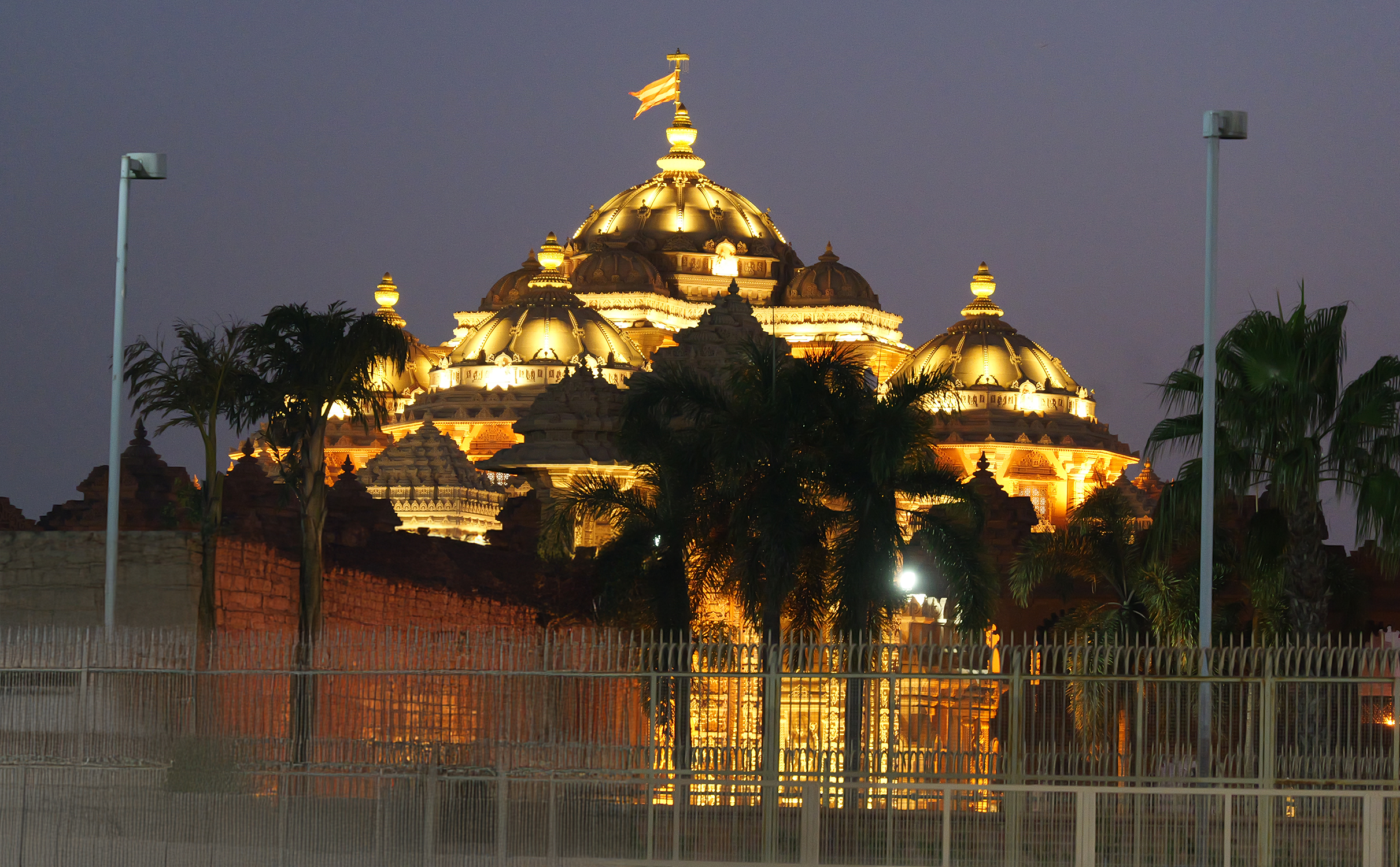
Just before closing, we found our way to the Hindu temple, the Akshardham Temple. You will see images of the temple from afar down below, both before and after the lights went on. You cannot take any electronic devices into the temple or cameras and again, had to remove your shoes. The temple was completed quite recently, 2005. The architecture and gold and jewel inlays along with the colorful Hindu Gods is something to see and experience, whether or not you are a believer or not.
Click on the first image below to look through the gallery of images.
A Visit to Two Graphic Design Studios
Itu Chaudhuri Design
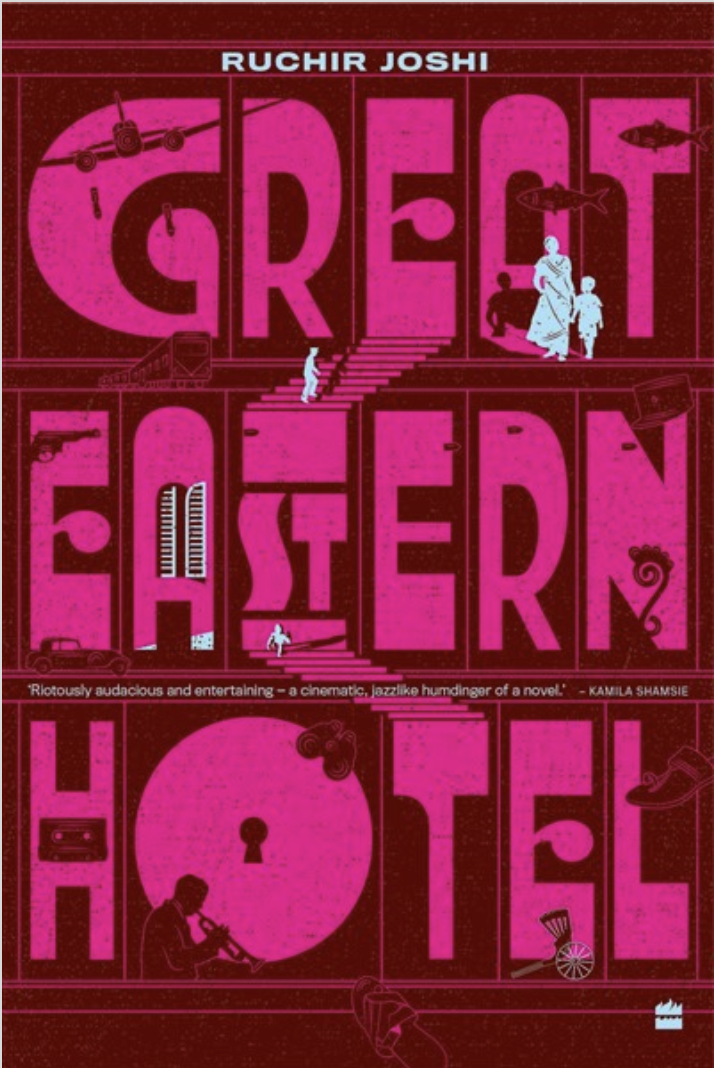
Our third studio we visited was the studio of Itu Chaudhuri. Chaudhuri is a commercial designer whose team works on many different projects including Jack Daniels Diwali festive edition, book covers for India Ink, and various identities for Indian-based companies and schools. The work of the studio is contemporary with some having a definite global outreach. The question posed for all my interviews is whether or not their is an Indian vernacular or unique Indian design features. This was a problematic question for this interviewee because, it seems, a hard one to answer. I have many take-aways from the interview but I think the main one is that if the design calls for something that is uniquely Indian, it’s best not to go for the cliché…Gods, old patterns, etc. but to be more subtle, especially if you are trying to represent something in a more contemporary way. One example I had this takeaway from was his work for Indian authors book covers. There was a book about Calcutta called The Great Eastern Hotel that he designed a book cover for. He explained that yes, it takes place in India but that during that time, Calcutta was very much diverse in it’s population, including people from Britain, the US and elsewhere. Yes, there were Bengali people but it was international in it’s overall literary flavor. Therefore, he designed a typeface that hinted at the Bengali script but brought in more Roman forms as well. See with images below. Itu Chaudhuri is well-spoken and gave me many things to think about and explore. I will be coming back to his interview with more thoughts to come.
CoDesign and Rajesh Dahiya
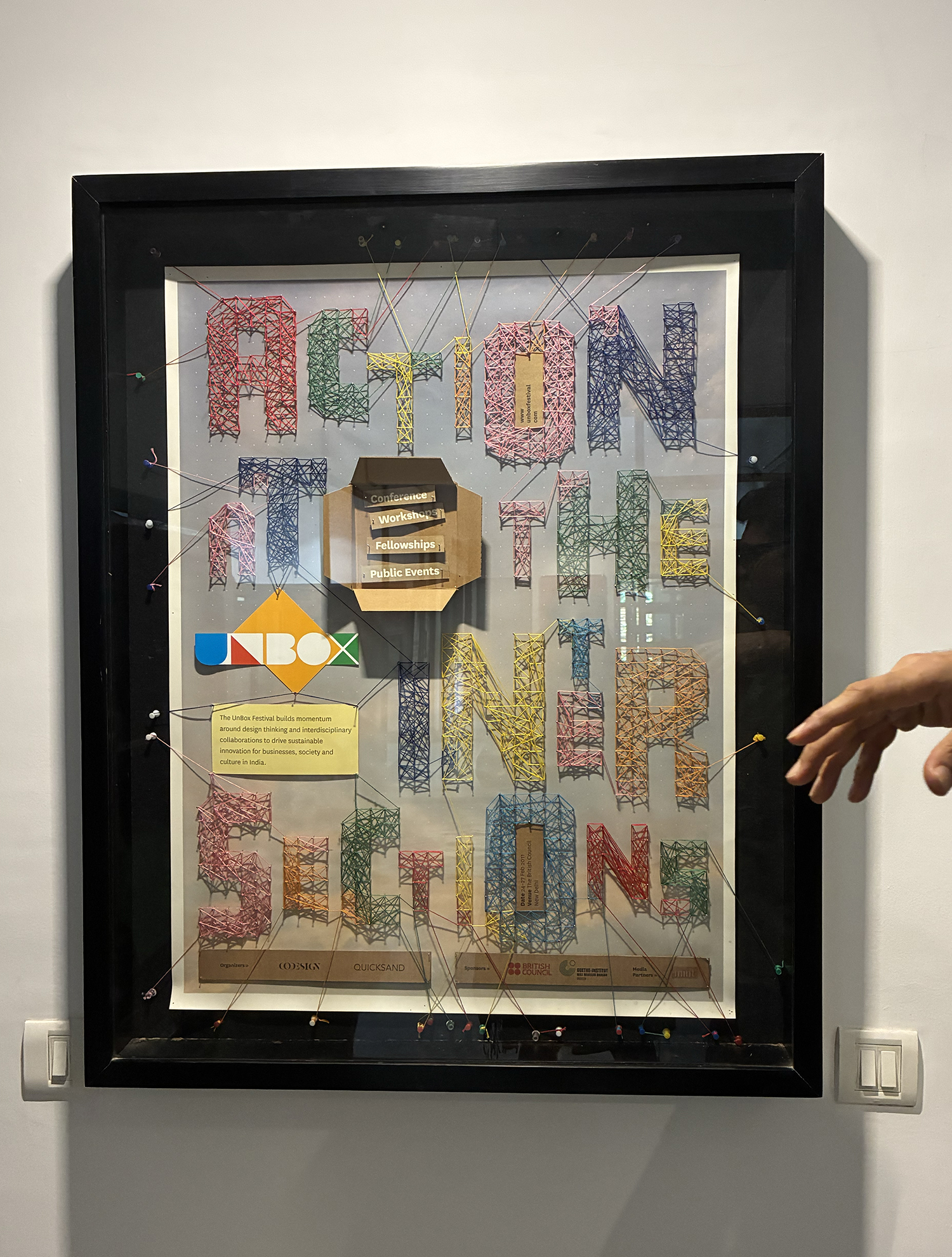
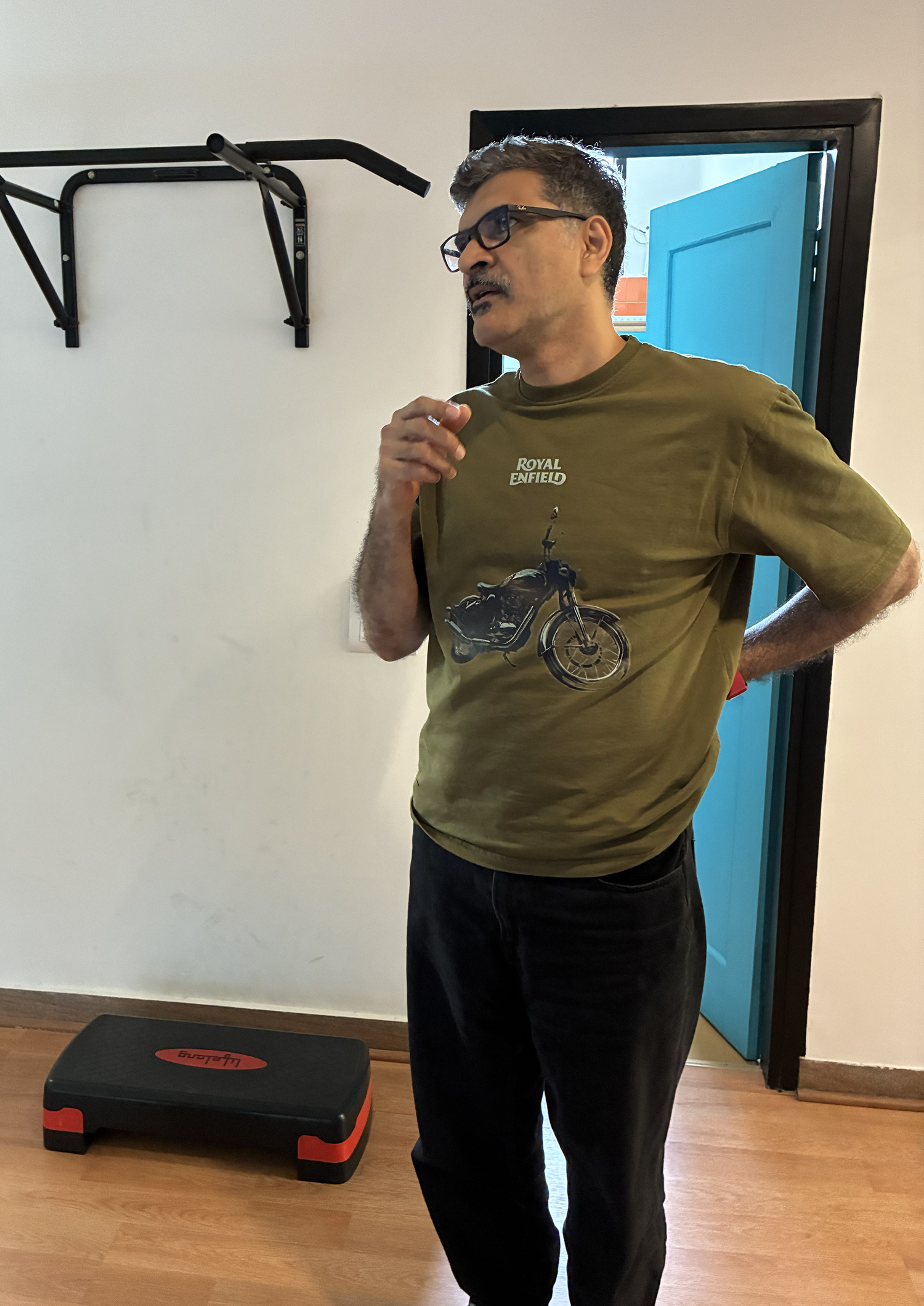
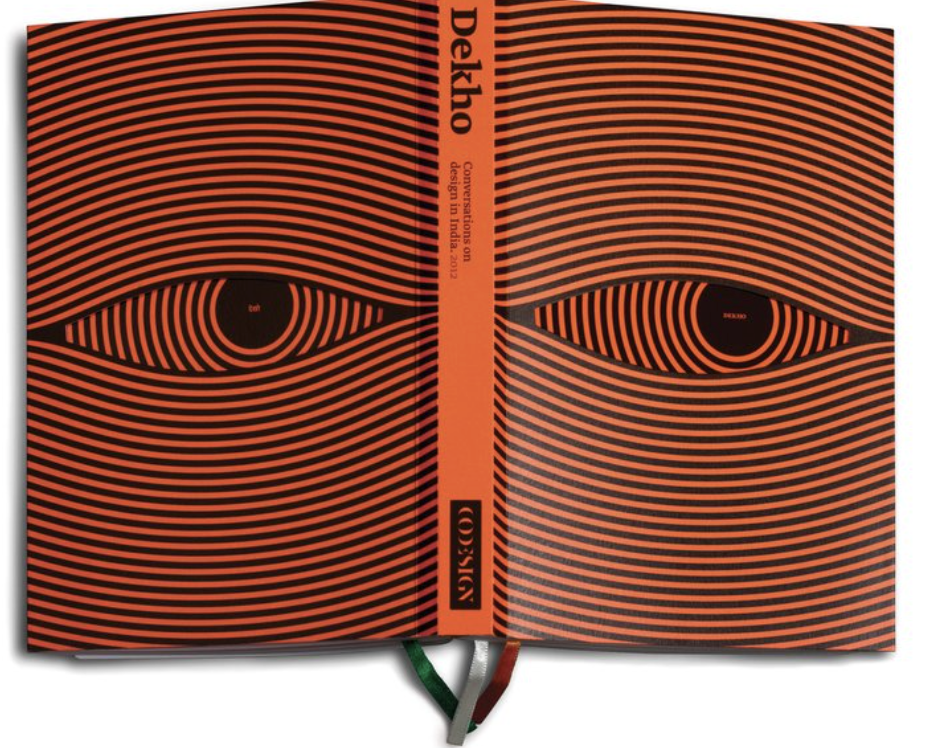
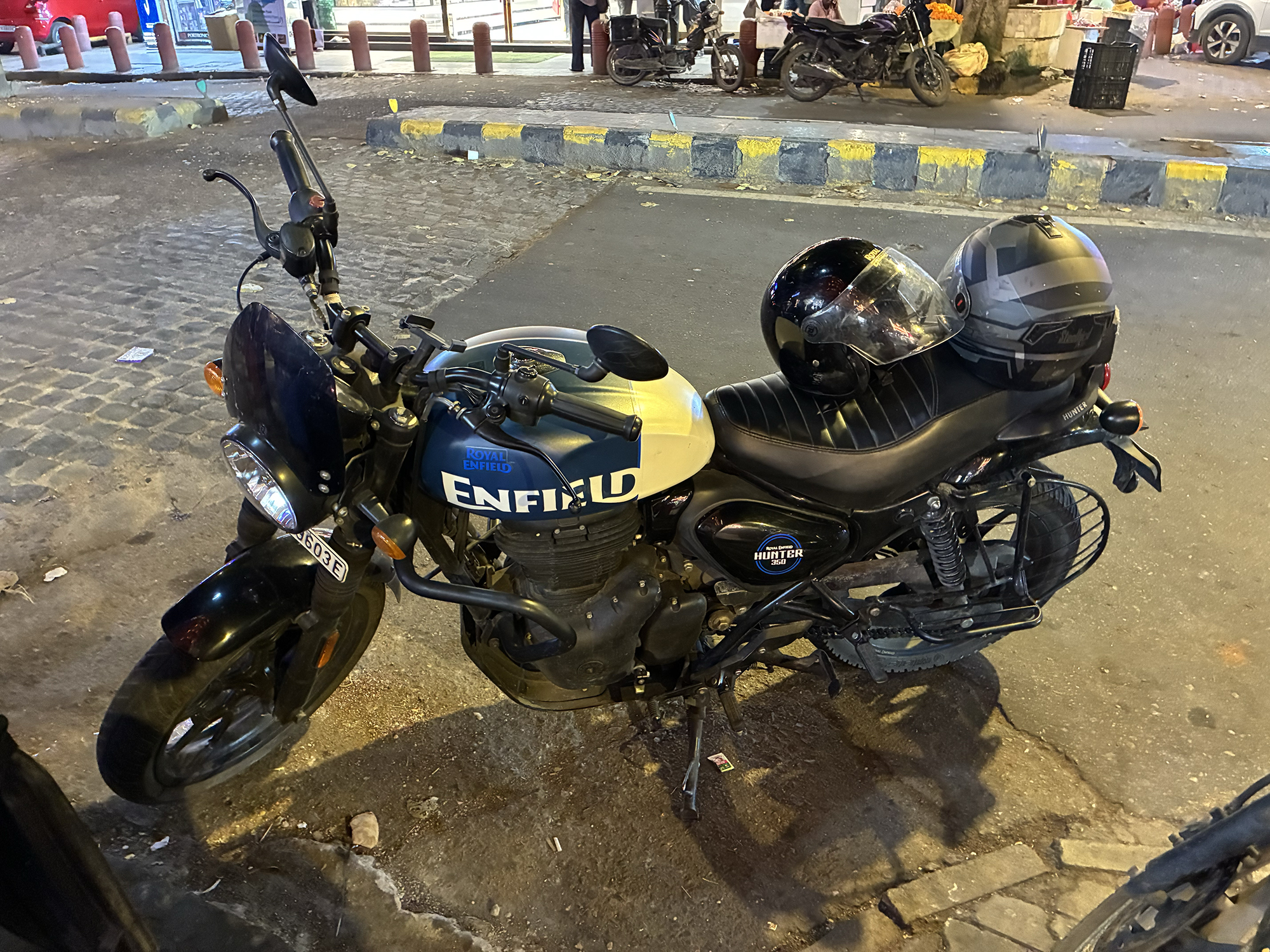
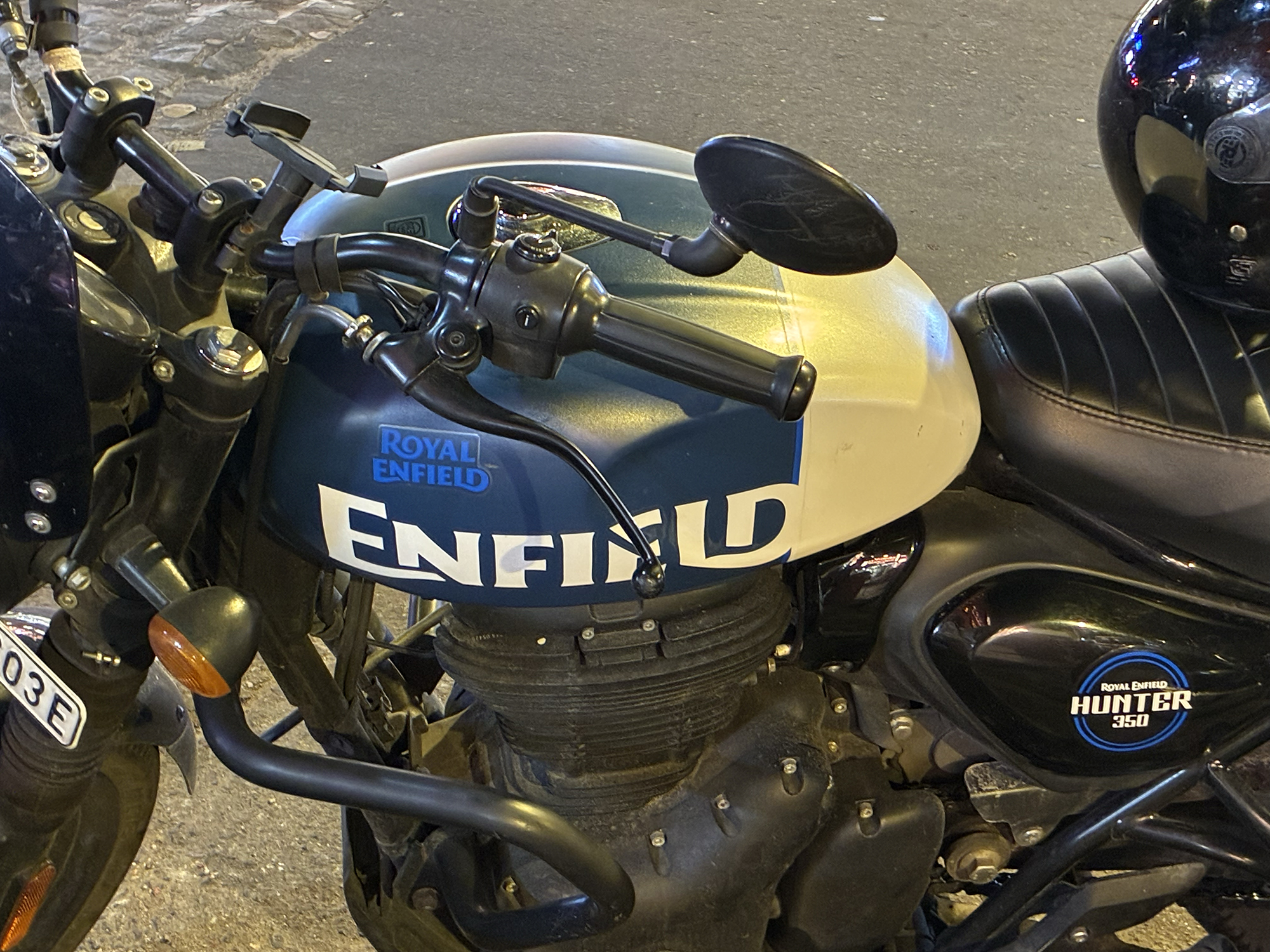
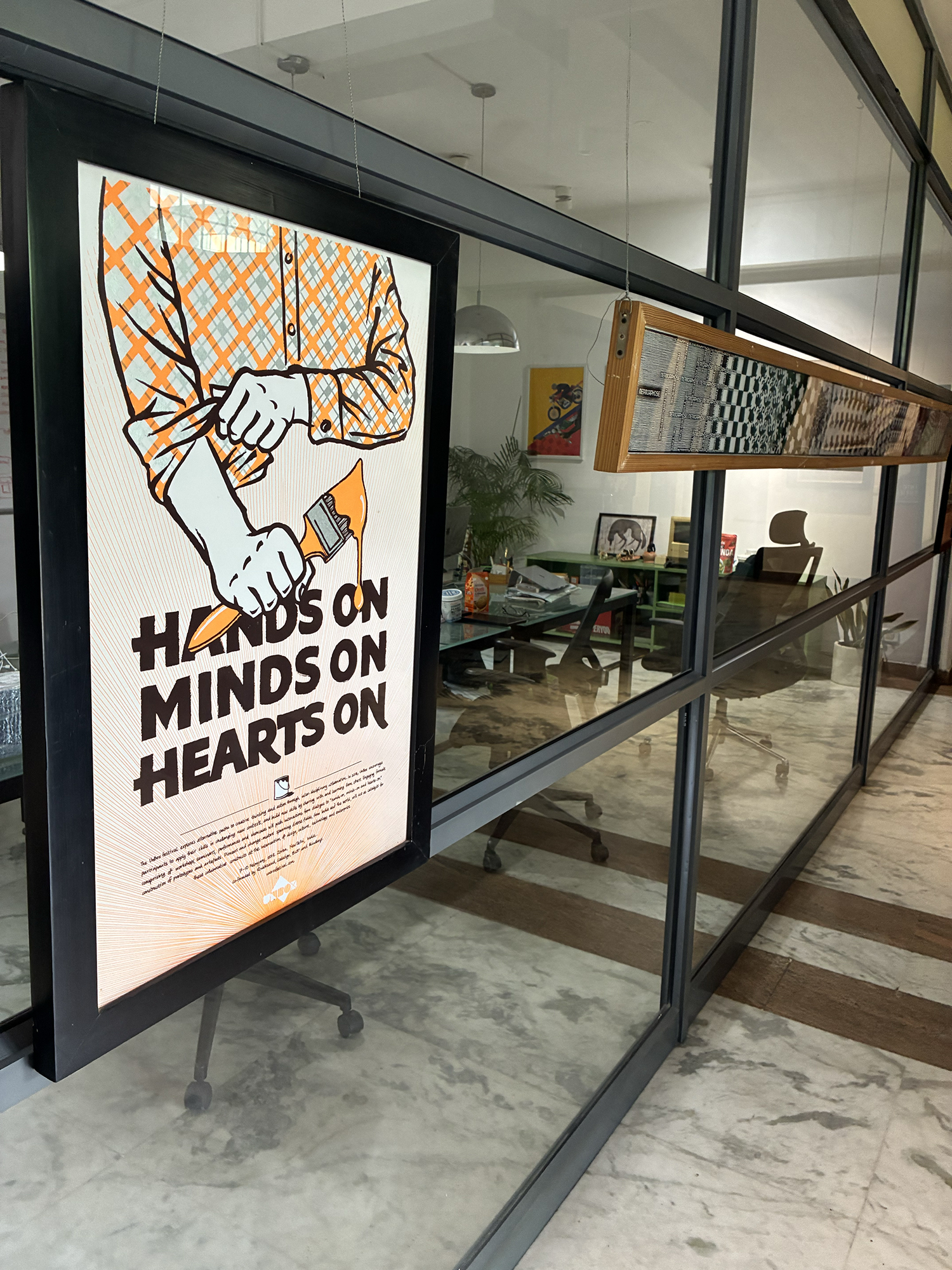
The fourth design studio I visited was Codesign, started by Rajesh Dahiya. Rajesh was one of the first designers I reached out to because of his book interviewing different Indian designers called Dekho. The book itself is very pleasing to go through because of it’s creative layouts and change for each section that covers the different designers. The other part that I love about this book is how connected I felt to the people he interviewed in terms of their focus on bettering the lives of the people in their country. From that book, I also reached out to others like Amardeep Behl. Again, I have many takeaways from this interview but one that I can expand on a bit here is how Rajesh talked about his education in design from NID. NID or the National Institute of Design in Ahmedabad is a design school that started in the 60s with a curriculum influenced by Ray and Charles Eames and the faculty who were trained in the Basel Swiss style. The Eames were asked by the new government of the newly free India to help them create a school that would train designers with the intention of improving and modernizing India. Rajesh felt that the curriculum was taught with the Basel school in mind but with the influence of all of the Indian students from different areas of the country bringing in their own local influences. In other words, how can you lose that self within the work you are doing, even if it has a more Western paradigm (my takeaways, not necessarily in his own words). Again, I am looking forward to revisiting the interview to capture more of the rich conversation about design. BTW, the Royal Enfield bike is in the photos because that is one of Codesign’s big clients.
Click on the first image below to see full size and to go through the gallery.